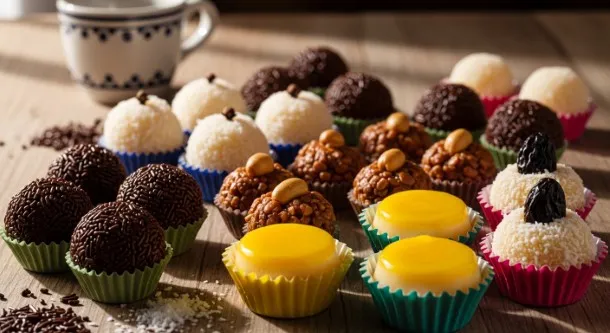

Brazilian sweets are a vibrant reflection of the country's rich cultural heritage and diverse culinary influences. With a blend of indigenous ingredients, Portuguese traditions, and African flair, these confections offer a unique taste experience cherished both locally and internationally.
From sticky, caramelized treats to light, fluffy delicacies, Brazilian sweets evoke a sense of warmth, celebration, and nostalgia that resonates deeply in Brazilian homes.
A Taste Journey Through Brazil’s Most Beloved Treats
.jpg)
The variety of brazilian sweets available today is a testament to the country’s rich gastronomy. Treats such as brigadeiro, a fudgy chocolate ball rolled in sprinkles, and beijinho, its coconut counterpart, are immensely popular at parties and family gatherings.
If you want to explore these indulgences yourself, a good place to start is with brazilian sweets vendors who provide an authentic taste experience along with a glimpse into the tradition behind each recipe.
Another iconic sweet is the pudim, a silky caramel flan that melts in the mouth, often found in Brazilian dining tables after hearty feasts. Equally tempting is quindim, a bright yellow dessert combining coconut, egg yolks, and sugar, offering a tropical twist to the palate.
These confections are not only snacks but symbols of celebration and comfort. Each sweet tells a story, often shared across generations with subtle regional variations that enhance the richness of Brazilian culinary heritage.
The Cultural Roots and Ingredients Shaping Brazilian Sweets
.jpg)
The origins of many Brazilian sweets are deeply tied to the country's geography and history. Indigenous ingredients like cassava and coconut have been staples in Brazilian kitchens for centuries, forming the base of many traditional desserts.
The Portuguese brought a strong influence of egg-based sweets and sugar crafting techniques, which merged with African culinary practices to create distinct flavor profiles unique to Brazil.
The use of condensed milk, introduced in the 20th century, revolutionized Brazilian confectionery, making sweets richer and more accessible. This ingredient is now fundamental in classics like brigadeiros and beijinhos.
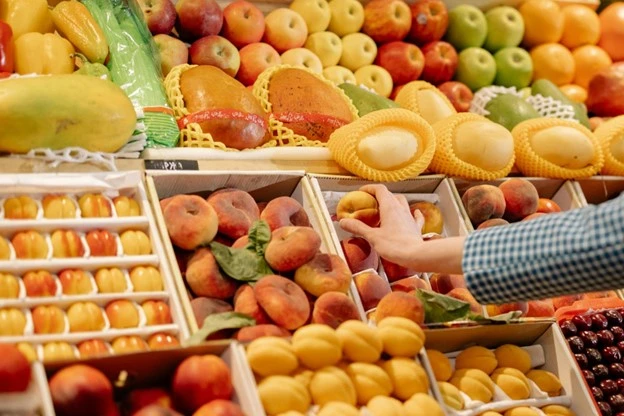
Moreover, the tropical climate allows Brazil to cultivate fruits such as passionfruit and guava that are often incorporated into sweet recipes, making the desserts vibrant, fresh, and distinctly Brazilian.
How Brazilian Sweets Influence Global Dessert Trends
.jpg)
As international interest in Brazilian cuisine grows, so does the appreciation for its sweets. Brazil’s desserts have found their place on menus around the world, from chic patisseries in Europe to trendy cafes in North America.
The simplicity yet richness of these sweets appeals to global audiences seeking new and authentic flavors. Their adaptability also allows for creative variations, incorporating local ingredients while paying homage to classic Brazilian recipes.
Technological advancements and globalization have further enabled Brazilian sweets to reach new markets, boosting cultural exchange and culinary innovation alike.
The persistence of traditional crafting methods amidst this modern proliferation maintains the integrity and authenticity that make these desserts special.
For readers seeking more information about the wide variety of these indulgent treats, resources like sweets encyclopedias provide valuable insights into their history and varieties.
The Sweet Future of Brazilian Desserts
Brazilian sweets remain an essential part of the country's identity. Their evolving recipes and growing international presence promise a sweet future where these desserts continue enchanting palates worldwide.
Whether enjoyed at festive occasions or as everyday pleasures, these treats offer a glimpse into Brazil’s soul — vibrant, diverse, and irresistibly sweet.
As culinary explorers and dessert lovers dive deeper into Brazilian flavors, the appreciation for these confections only expands, enriching global dessert culture.

























Sign in to leave a comment.