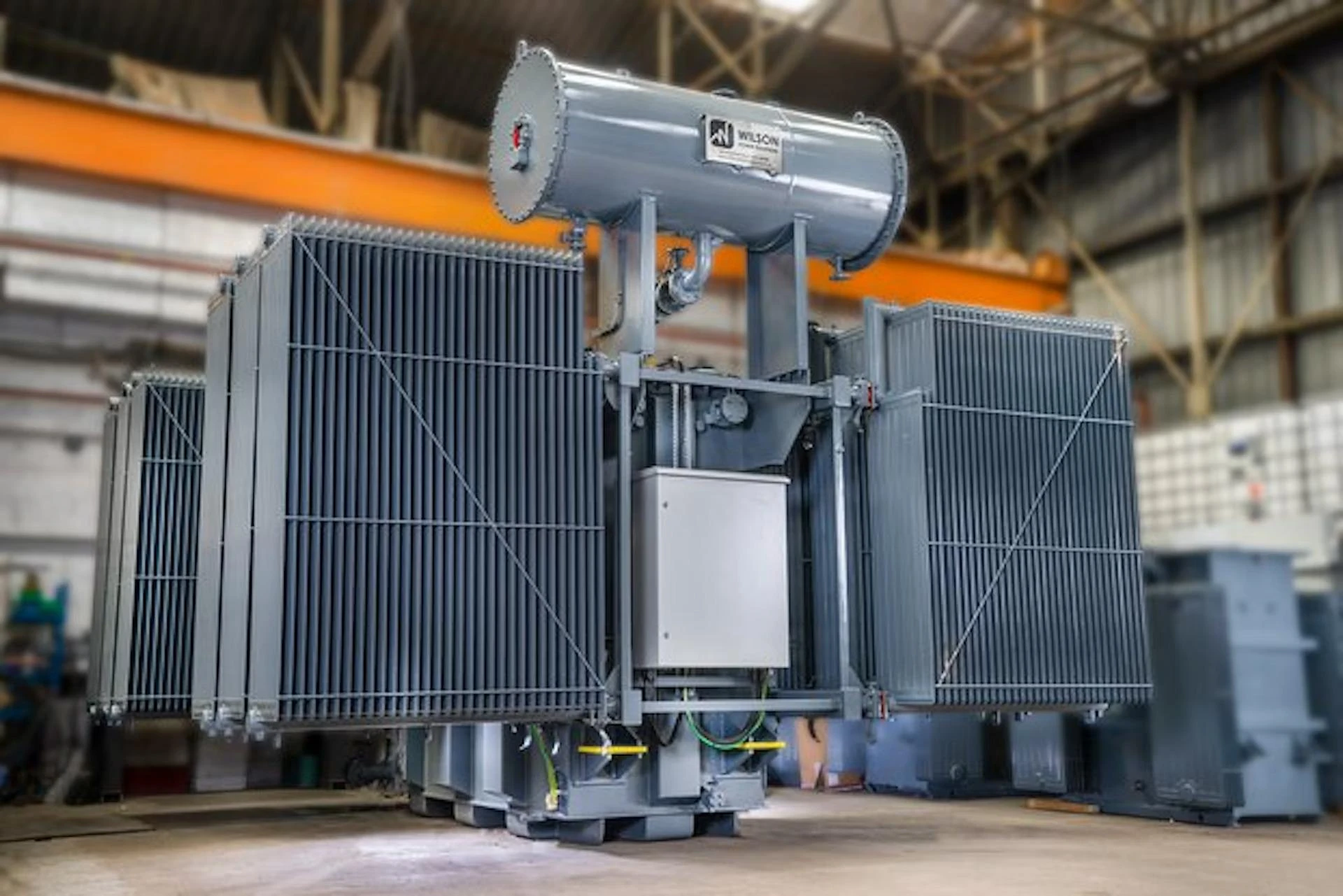

In modern power systems, delivering electricity safely and efficiently to end-users is a critical requirement. At the heart of this process lies the distribution transformer, a key component that ensures electrical energy is stepped down to usable voltage levels for homes, industries, and commercial establishments. These transformers are vital for maintaining reliability, efficiency, and safety across power distribution networks.
What Are Distribution Transformers?
Distribution transformers are electrical devices designed to step down high-voltage electricity from the transmission system to lower voltages suitable for local consumption. Unlike power transformers, which operate at high voltages for long-distance transmission, distribution transformers operate at medium or low voltage levels and are primarily used to deliver electricity directly to end-users.
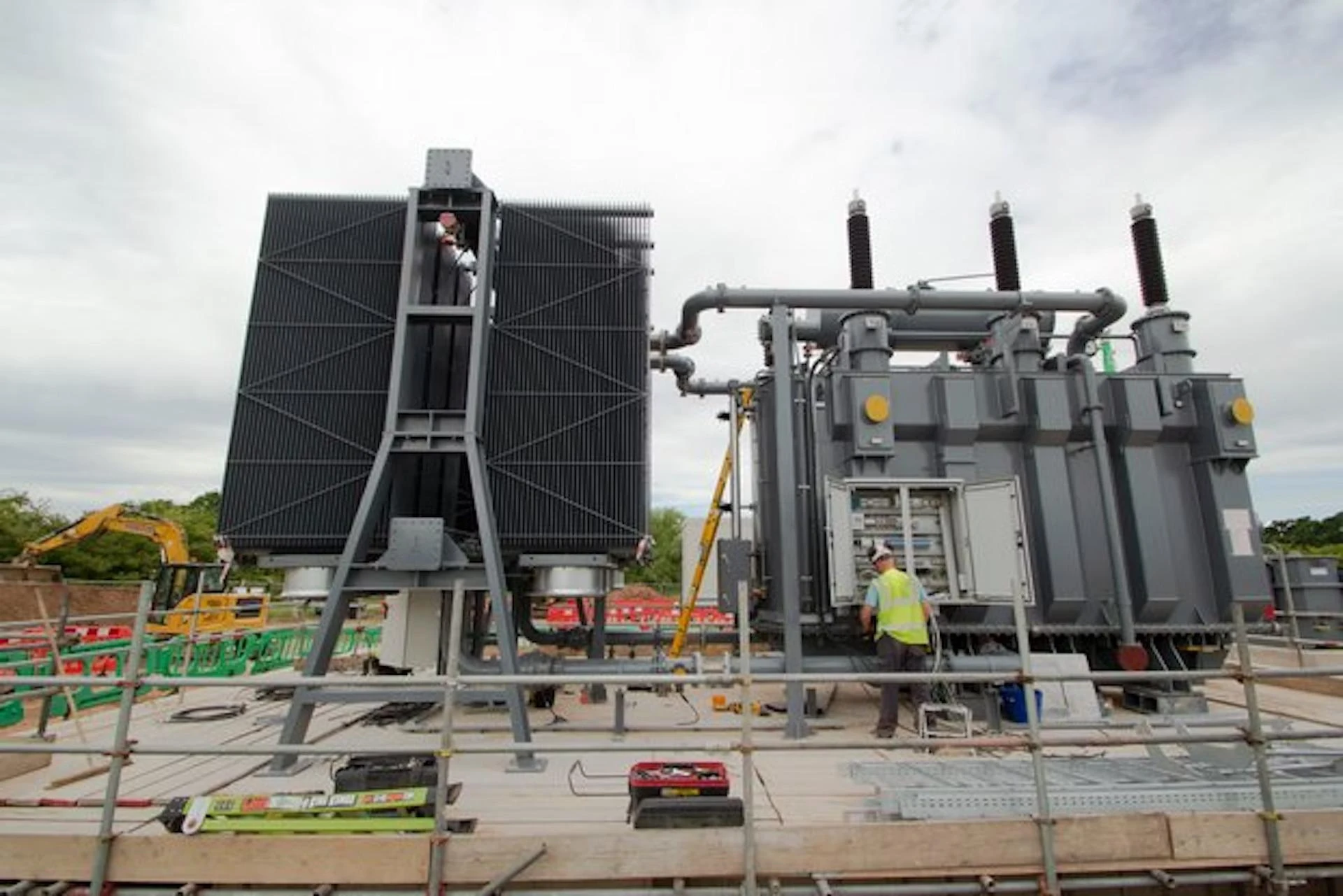
They are commonly installed near residential areas, commercial complexes, and industrial zones, ensuring that the energy from the grid is safe and usable.
Importance of Distribution Transformers
The role of distribution transformers in modern electricity networks cannot be overstated. Their importance includes:
- Efficient Power Delivery: By converting high-voltage electricity to lower voltages, they reduce energy losses and ensure optimal performance.
- Safety: Proper voltage regulation prevents damage to appliances, machinery, and electrical infrastructure.
- Reliability: They maintain consistent voltage supply even during fluctuating load conditions, ensuring uninterrupted operations.
- Cost-Effectiveness: By reducing energy wastage and protecting equipment, distribution transformers help in lowering operational costs.
Without these transformers, the power delivered to homes, offices, and factories would be unsafe, unreliable, and inefficient.
Applications of Distribution Transformers
Distribution transformers are essential in a variety of applications:
- Residential Areas: Providing safe and reliable electricity to homes, apartments, and gated communities.
- Commercial Complexes: Powering shopping malls, offices, hospitals, and educational institutions.
- Industrial Facilities: Ensuring stable voltage for machinery, production lines, and automated systems.
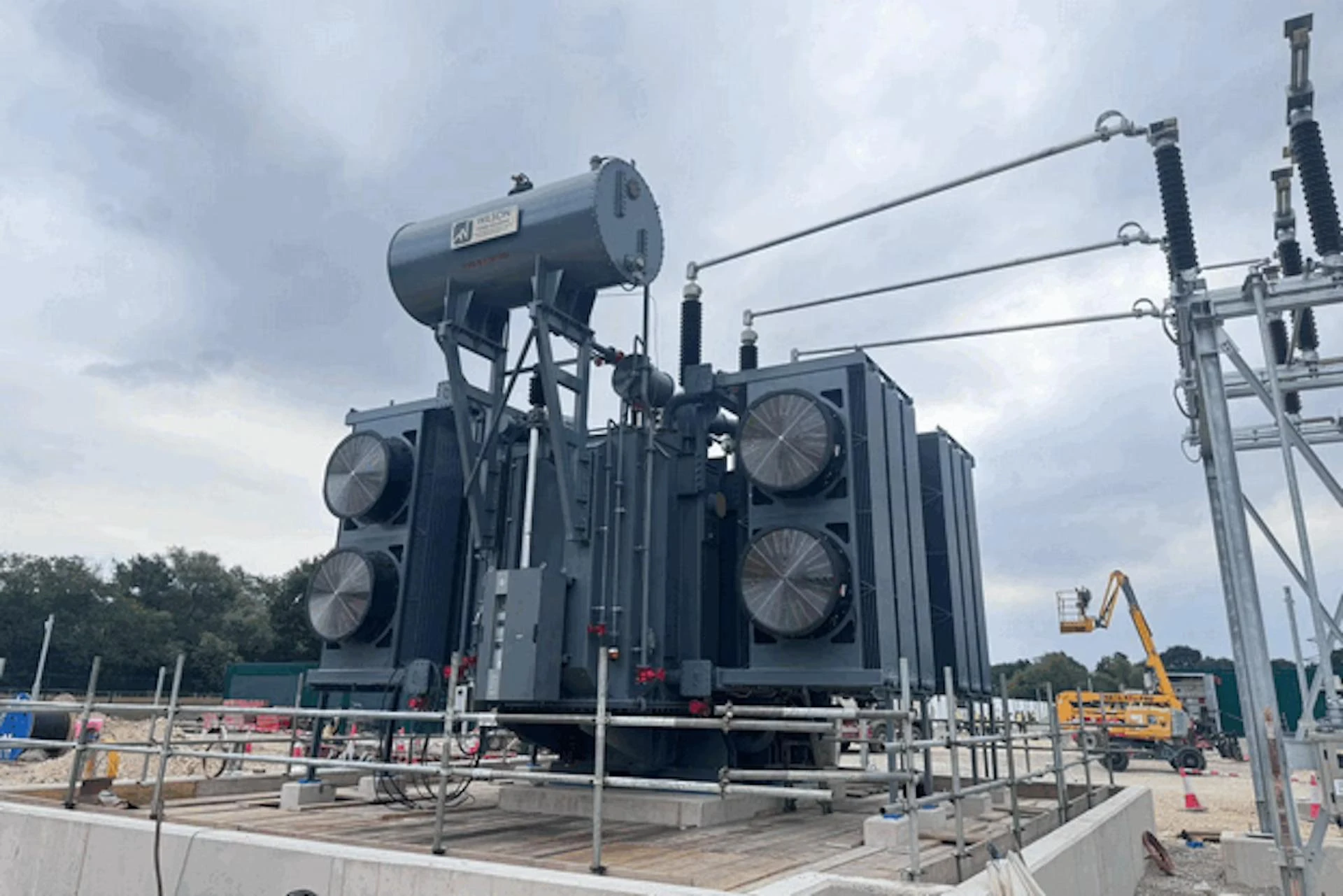
- Renewable Energy Integration: Helping connect solar, wind, and other renewable energy sources to local grids efficiently.
- Urban Infrastructure: Supporting lighting, transportation, and utilities in cities and towns.
Their wide-ranging application underscores their role as a cornerstone of modern electrical distribution systems.
Advantages of Distribution Transformers
Investing in high-quality distribution transformers offers several benefits:
- Durability: Built to withstand continuous operation and harsh environmental conditions.
- Energy Efficiency: Advanced designs reduce losses and improve overall performance.
- Reliability: Provide stable voltage, protecting electrical equipment and reducing downtime.
- Scalability: Can be customised for different capacities and applications.
- Low Maintenance: Require minimal maintenance compared to other electrical equipment.
These advantages make distribution transformers an indispensable part of energy infrastructure for utilities, industries, and communities.
Technological Innovations
Modern distribution transformers are evolving to meet the needs of smart grids and sustainable energy systems. Many now incorporate features such as remote monitoring, fault detection, and energy-efficient materials. These innovations allow for real-time monitoring, predictive maintenance, and improved performance, reducing downtime and operational costs.
Additionally, eco-friendly transformer designs, including low-loss cores and biodegradable insulation oils, are helping utilities and industries reduce their carbon footprint while ensuring efficient energy delivery.
Choosing the Right Distribution Transformer
When selecting a distribution transformer, it is important to consider:
- Voltage and load requirements
- Environmental conditions (indoor or outdoor installation)
- Efficiency and energy-saving features
- Compliance with safety and regulatory standards
- Long-term reliability and maintenance support
Working with experienced suppliers ensures that the transformer meets both current and future energy demands efficiently.
Conclusion
Distribution transformers are the backbone of modern power distribution, providing safe, efficient, and reliable electricity to homes, industries, and commercial establishments. With advancements in technology, energy efficiency, and sustainability, these transformers continue to play a critical role in maintaining the stability and reliability of power systems. Choosing the right distribution transformer ensures long-term operational efficiency and dependable electricity supply for a wide range of applications.























Sign in to leave a comment.