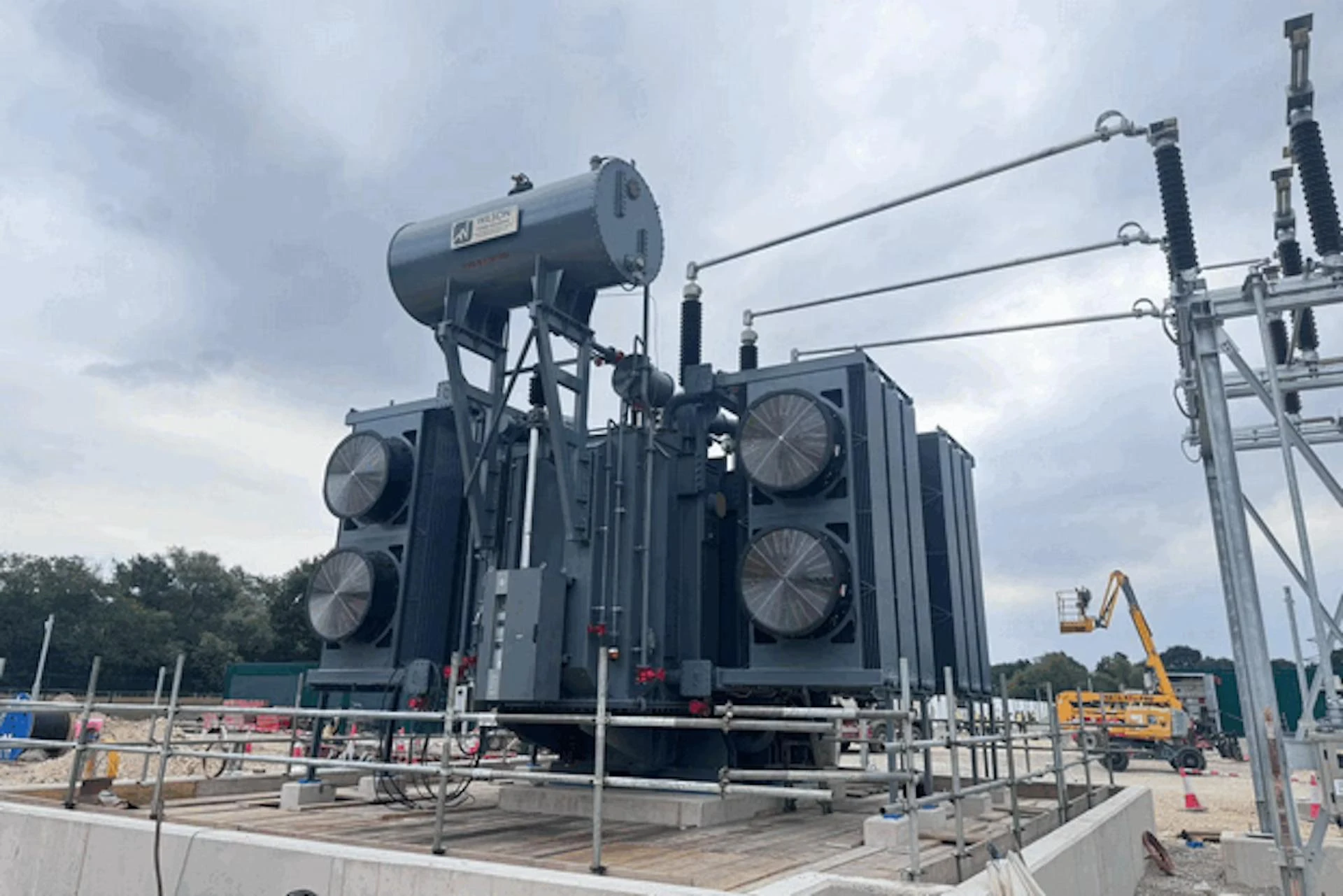

Imagine standing on a newly built industrial site the machines are ready, the systems are in place, but power access is weeks away because the electrical infrastructure isn’t ready.
This delay, once common, is rapidly disappearing thanks to packaged substations, one of the smartest innovations in power distribution today.
The Rise of Compact Power Solutions
In the past, building a substation required large plots, multiple contractors, and weeks of onsite assembly. But industries, construction projects, and urban developers today need faster, more flexible power delivery.
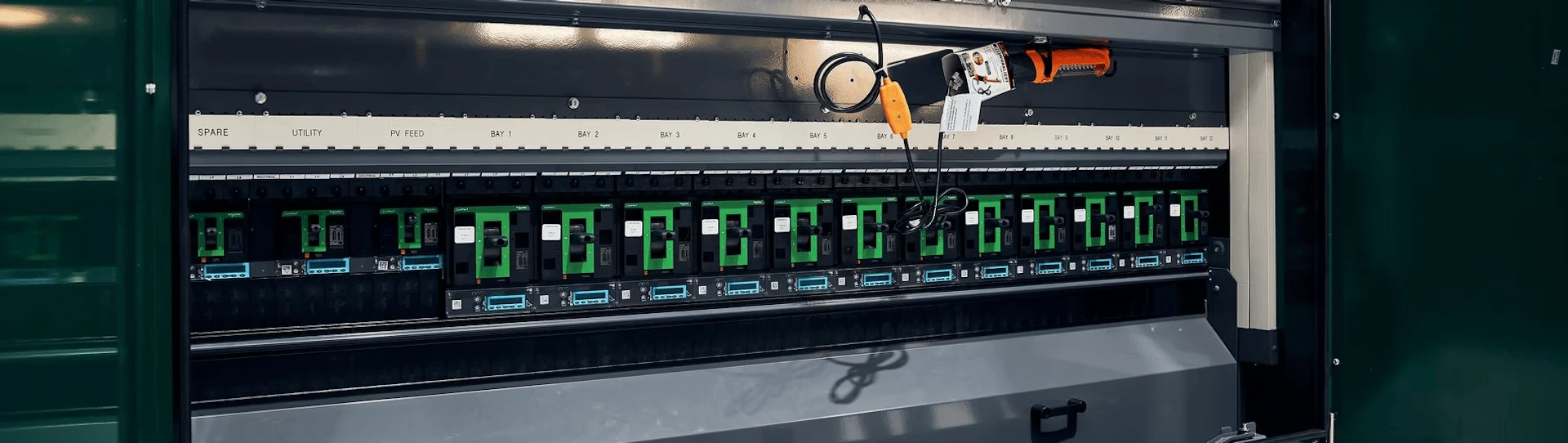
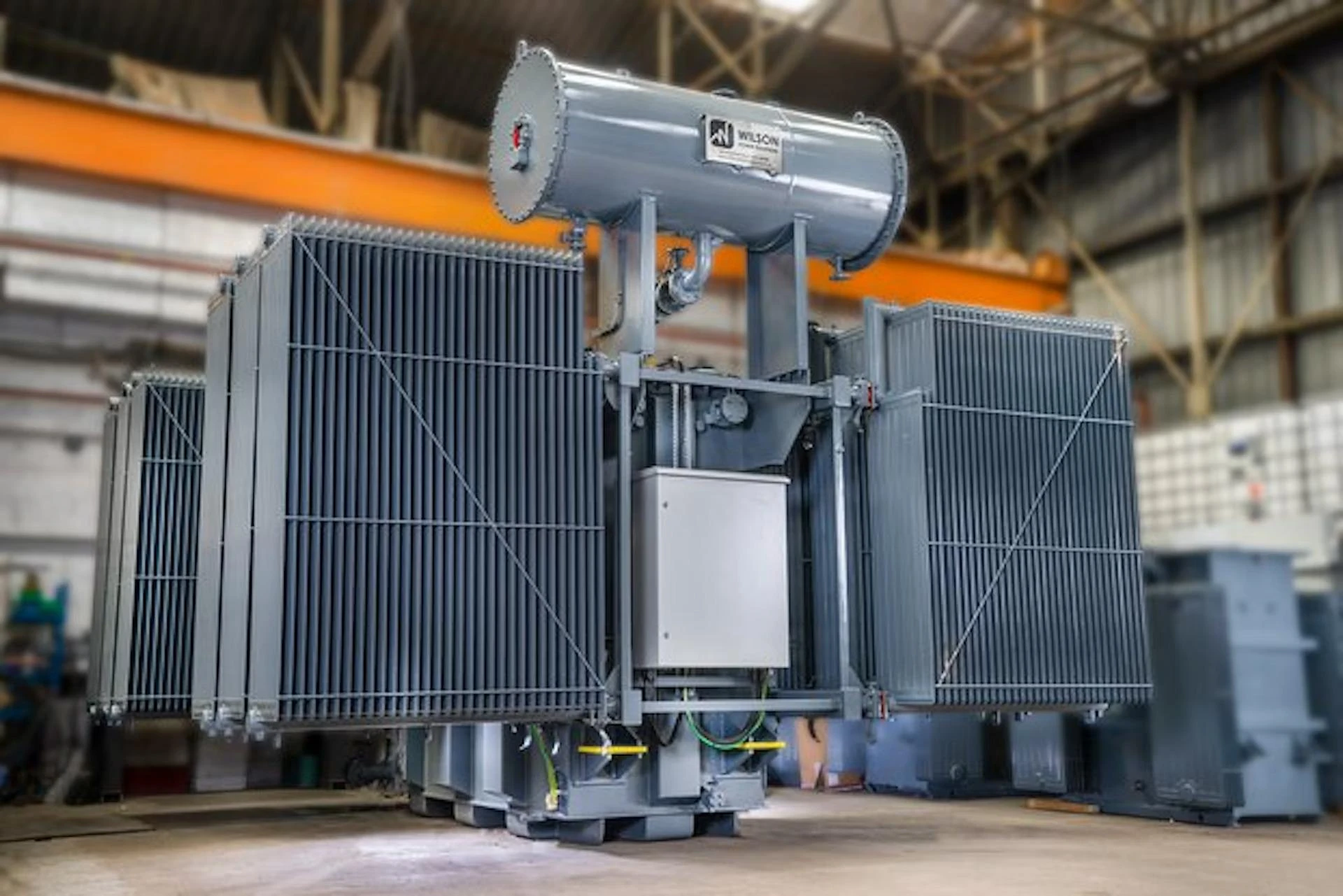
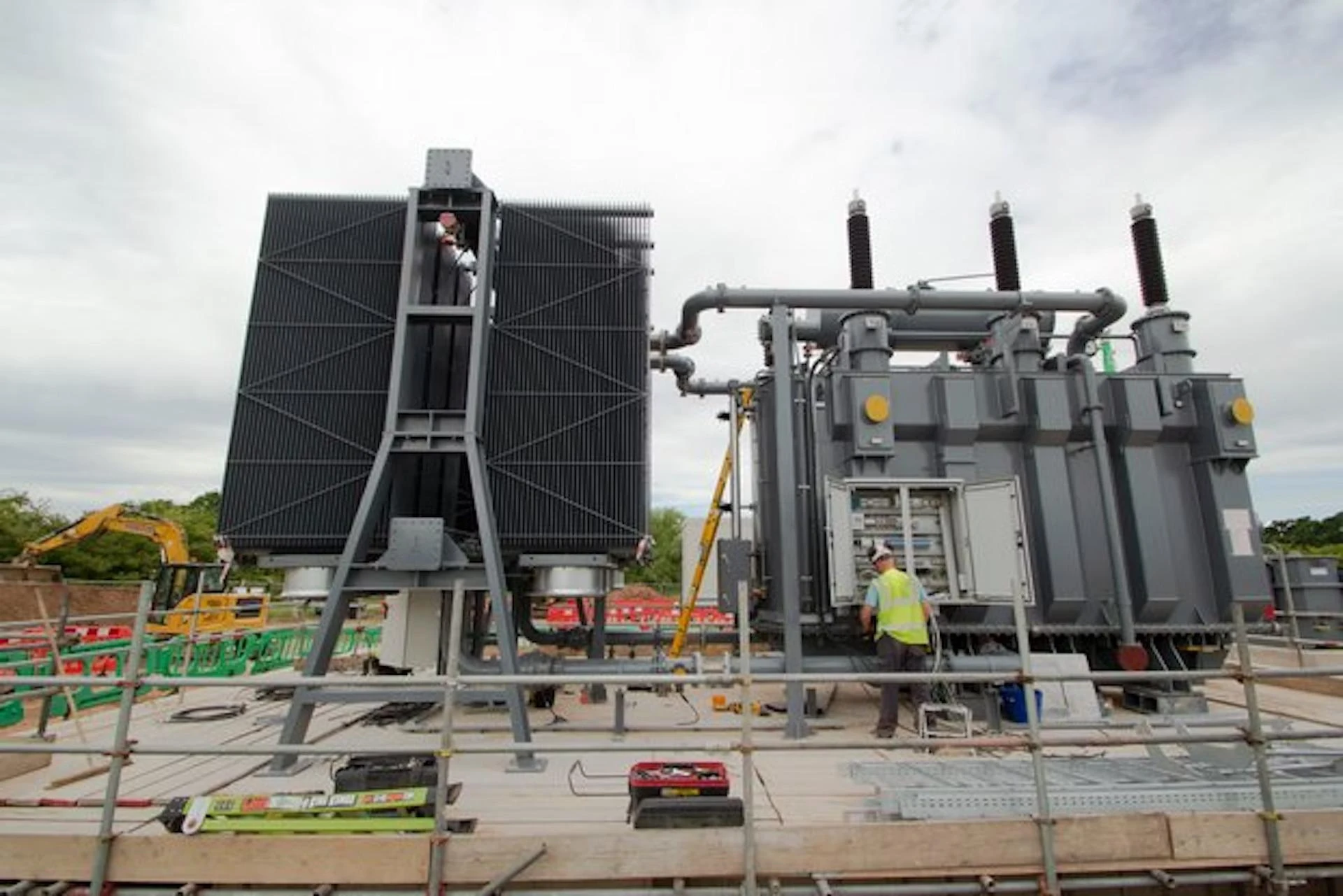
Enter the packaged substation a fully engineered, pre-assembled power unit that combines a transformer, switchgear, and protection equipment in a single, compact enclosure.
It’s power simplified, secured, and ready to perform from day one.
Why Packaged Substations Are Changing the Game
Modern industries demand efficiency not only in production but also in infrastructure deployment. Traditional substations, while reliable, often require high capital investment, large space, and complex installation.
Packaged substations flip that narrative. They arrive at the site pre-tested, factory-built, and ready to connect. Their modular structure allows plug-and-play installation, which can reduce project timelines by up to 50%.
From data centers and renewable energy farms to hospitals and residential complexes, these systems are proving indispensable in environments where time, space, and safety are at a premium.
Built for Efficiency and Safety
Each packaged substation integrates key electrical components — typically a transformer, medium- or low-voltage switchgear, and protection relays — within a weatherproof, tamper-proof enclosure.
This design not only enhances operational safety but also eliminates many of the risks associated with onsite construction.
Manufacturers use robust materials like mild steel or aluminum for the housing, ensuring resistance against environmental stress, corrosion, and temperature extremes. Additionally, safety features such as arc fault containment, pressure relief vents, and interlocks protect both personnel and equipment.
The result? A compact, self-contained power system that ensures reliability without compromising on protection.
The Sustainability Edge
As industries pursue greener operations, packaged substations are helping meet sustainability targets too.
Their energy-efficient transformers, reduced on-site waste, and optimized cooling systems contribute to lower carbon emissions. Because they’re pre-engineered in controlled factory settings, quality control is superior — meaning less material waste, fewer transport requirements, and greater lifecycle efficiency.
When combined with renewable energy sources like solar or wind, packaged substations play a key role in enabling decentralized, clean power distribution — a crucial step toward net-zero operations.
Flexibility in Application
One of the biggest advantages of packaged substations is their versatility. They can be configured for urban installations where space is tight, or for rugged industrial sites that demand high durability.
- Urban infrastructure: Compact design fits seamlessly in city grids, hospitals, and transport hubs.
- Renewable projects: Ideal for solar and wind farms requiring modular, scalable solutions.
- Industrial use: Provides reliable, high-load performance for factories and utilities.
- Temporary or remote sites: Perfect for construction zones or mining areas where mobility and quick setup are crucial.
This adaptability has made packaged substations the preferred power solution for industries that value agility without compromising reliability.
Digital Integration and Smart Monitoring
In the digital age, the role of substations is expanding beyond power conversion. Smart packaged substations now come equipped with IoT sensors, digital relays, and SCADA connectivity — allowing operators to monitor load performance, temperature, and fault conditions in real-time.
These insights help in predictive maintenance, reducing downtime and preventing costly outages. With data-driven intelligence, industries can now manage their power infrastructure more efficiently and sustainably than ever before.
Choosing the Right Packaged Substation Provider
Selecting a trusted partner is critical. The right supplier offers more than equipment — they deliver reliability, customization, and ongoing support.
A high-quality packaged substation should meet:
- IEC or IEEE standards for performance and safety.
- Site-specific design tailored to voltage and load requirements.
- Proven energy efficiency through optimized core materials.
- Scalable and modular options to support future expansion.
Manufacturers like Wilson Power Solutions specialize in designing bespoke packaged substations that combine efficiency, quality, and sustainability — helping clients power their operations smarter and faster.
Conclusion: Compact Power for a Connected World
The global energy landscape is shifting toward flexibility and speed — and packaged substations are leading that evolution. They bring together the best of engineering, innovation, and sustainability in one ready-to-install unit.
From concept to commissioning, they cut complexity, save space, and deliver dependable power where it’s needed most. In a world that never stops moving, packaged substations are powering progress — one connection at a time.

























Sign in to leave a comment.