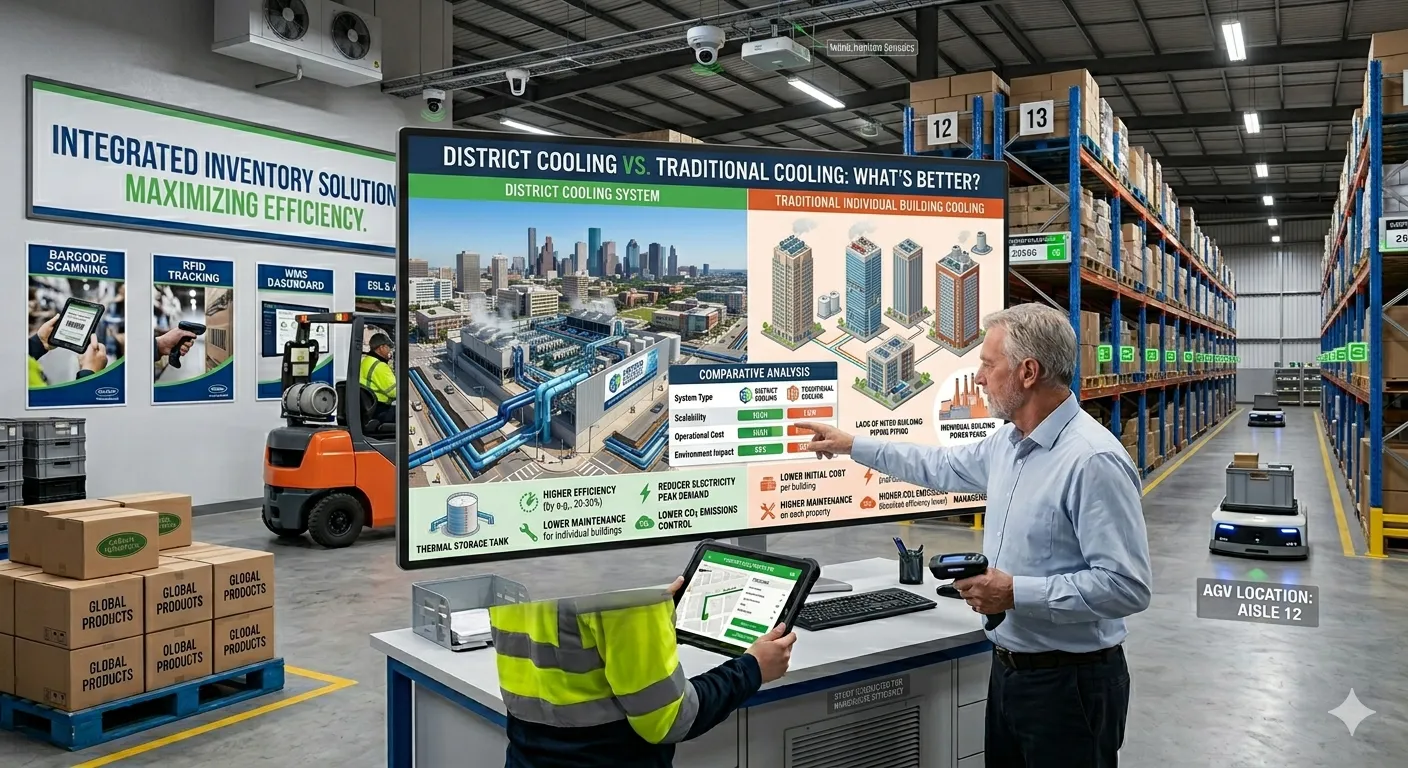
When it comes to cooling large spaces—whether commercial buildings, industrial plants, or entire communities—the choice between district cooling and traditional cooling systems can significantly impact efficiency, cost, and sustainability. If you're exploring options for process cooling or even temporary solutions like heating rental, this guide breaks it down in a clear, practical way.
What is District Cooling?
District cooling is a centralized system where chilled water is produced at a central plant and distributed through insulated pipes to multiple buildings.
Key Features:
- Centralized cooling production
- Energy-efficient for large-scale use
- Ideal for smart cities, campuses, and industrial zones
What is Traditional Cooling?
Traditional cooling systems include standalone units like air conditioners, chillers, and HVAC systems installed individually in buildings.
Key Features:
- Decentralized setup
- Common in residential and small commercial spaces
- Flexible installation options
District Cooling vs Traditional Cooling: Core Differences
1. Energy Efficiency
District Cooling:
- Highly efficient due to economies of scale
- Uses advanced technologies like thermal storage
Traditional Cooling:
- Less efficient when multiple units run independently
- Higher energy consumption in large setups
👉 Verdict: District cooling wins for large-scale process cooling needs.
2. Cost Consideration
District Cooling:
- High initial infrastructure investment
- Lower long-term operational costs
Traditional Cooling:
- Lower upfront cost
- Higher maintenance and energy bills over time
👉 Verdict: Traditional works for small setups, but district cooling is cost-effective long-term.
3. Maintenance & Reliability
District Cooling:
- Centralized maintenance
- Professional management ensures reliability
Traditional Cooling:
- Each unit requires individual servicing
- Higher risk of breakdowns
👉 Verdict: District cooling offers better reliability and reduced maintenance hassle.
4. Environmental Impact
District Cooling:
- Lower carbon footprint
- Optimized energy usage and reduced emissions
Traditional Cooling:
- Higher greenhouse gas emissions
- Less efficient energy use
👉 Verdict: District cooling is more eco-friendly.
5. Flexibility & Use Cases
District Cooling:
- Best for large developments, industries, airports, and smart cities
Traditional Cooling:
- Suitable for homes, small offices, and temporary setups
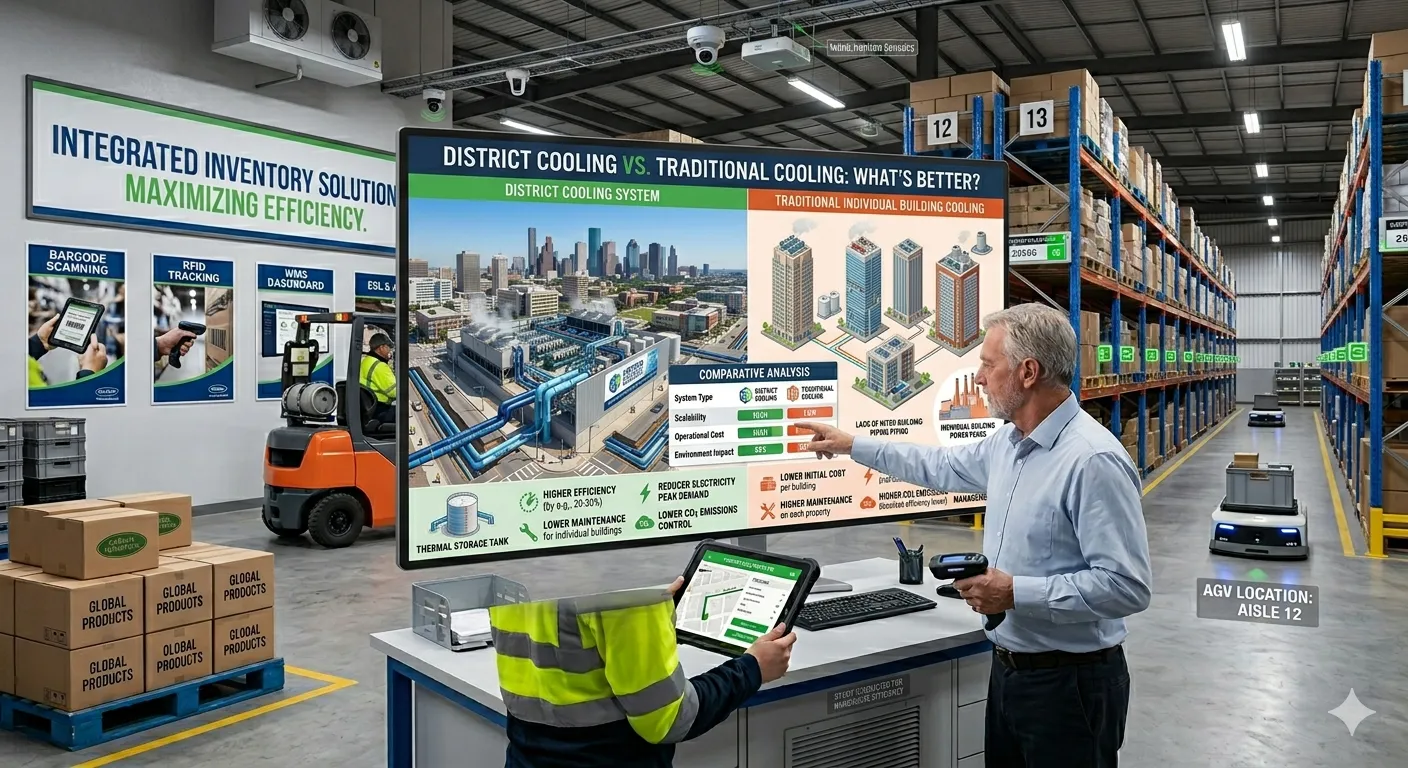
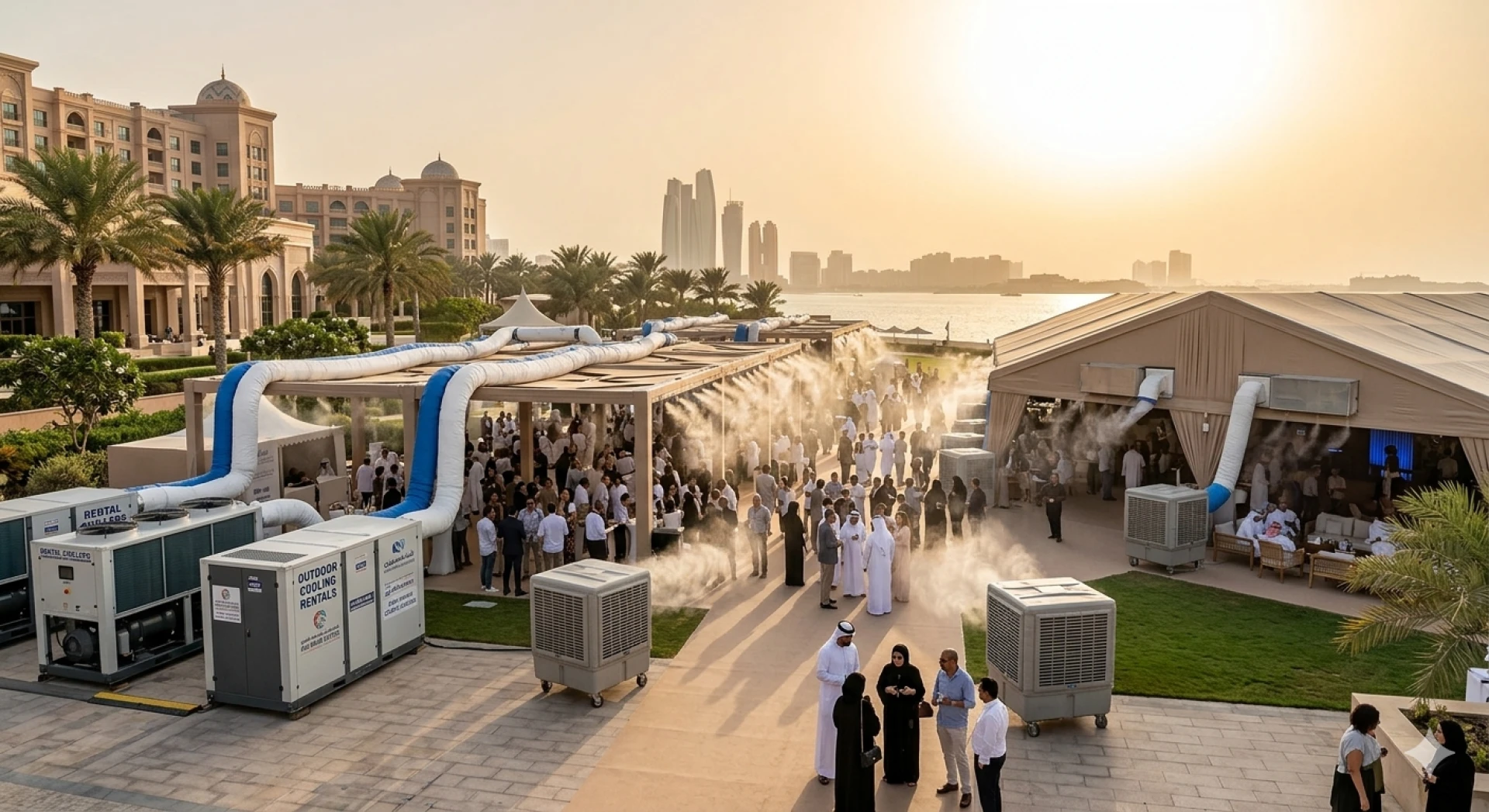
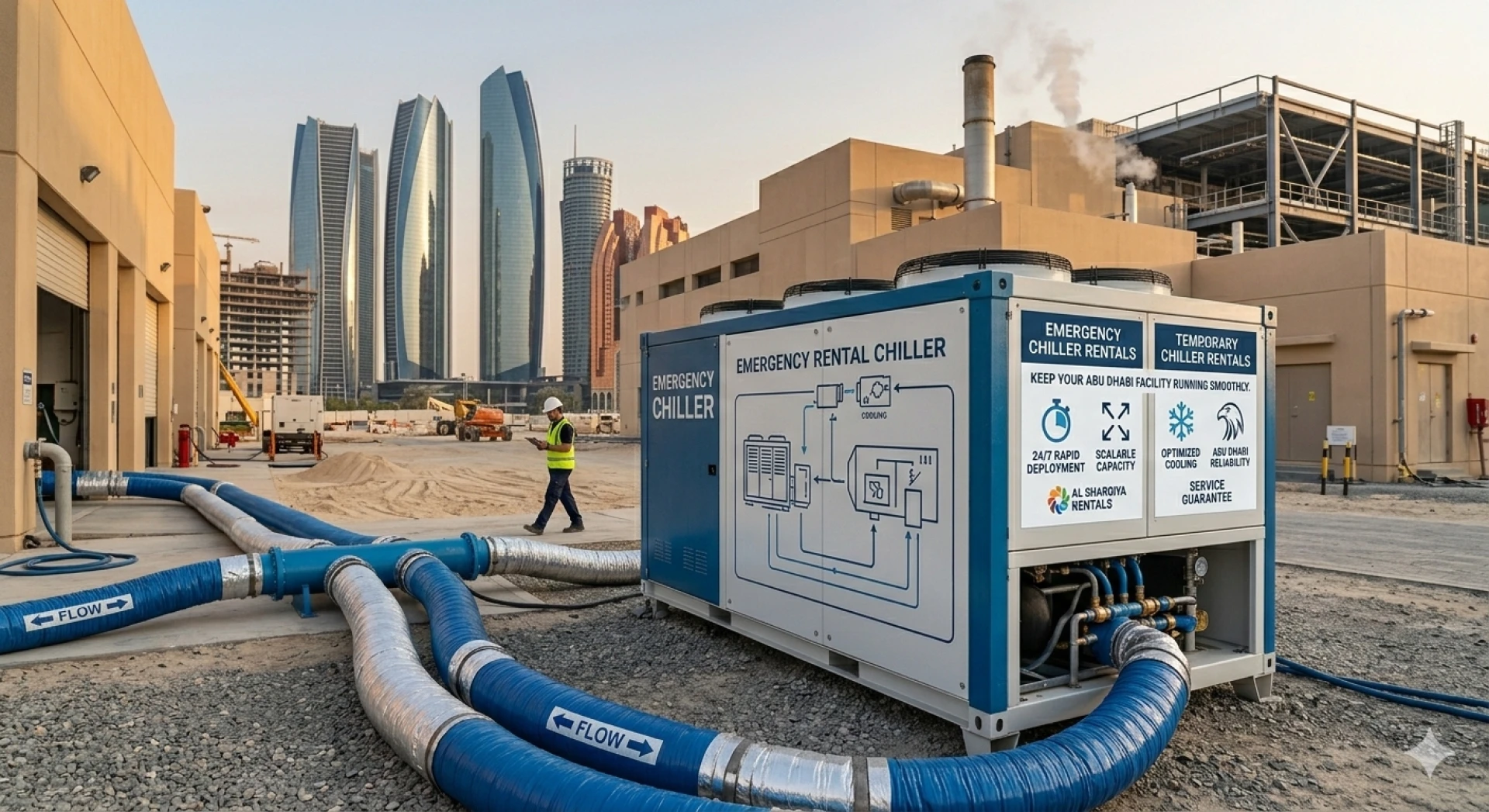
👉 For temporary or emergency needs, heating rental or portable cooling systems are often more practical.
Where Does Process Cooling Fit In?
Process cooling is essential in industries like manufacturing, pharmaceuticals, and data centers where precise temperature control is critical.
- District cooling supports large industrial clusters efficiently
- Traditional cooling systems are better for localized or smaller process requirements
- For short-term industrial needs, rental cooling or heating rental solutions provide flexibility without long-term investment
When Should You Choose District Cooling?
Choose district cooling if:
- You manage large-scale infrastructure
- You need long-term energy savings
- Sustainability is a priority
- Your operations require continuous process cooling
When is Traditional Cooling Better?
Go for traditional cooling if:
- You need a quick and affordable setup
- Your space is small or medium-sized
- You want independent control over each unit
- You require temporary solutions like heating rental
Final Verdict: What’s Better?
There’s no one-size-fits-all answer.
- District Cooling = Best for large-scale, energy-efficient, long-term cooling
- Traditional Cooling = Best for flexibility, smaller spaces, and short-term needs
👉 If your focus is industrial process cooling, district cooling offers unmatched efficiency.
👉 If you need temporary or backup solutions, combining traditional systems with heating rental is often the smartest move.



























Sign in to leave a comment.