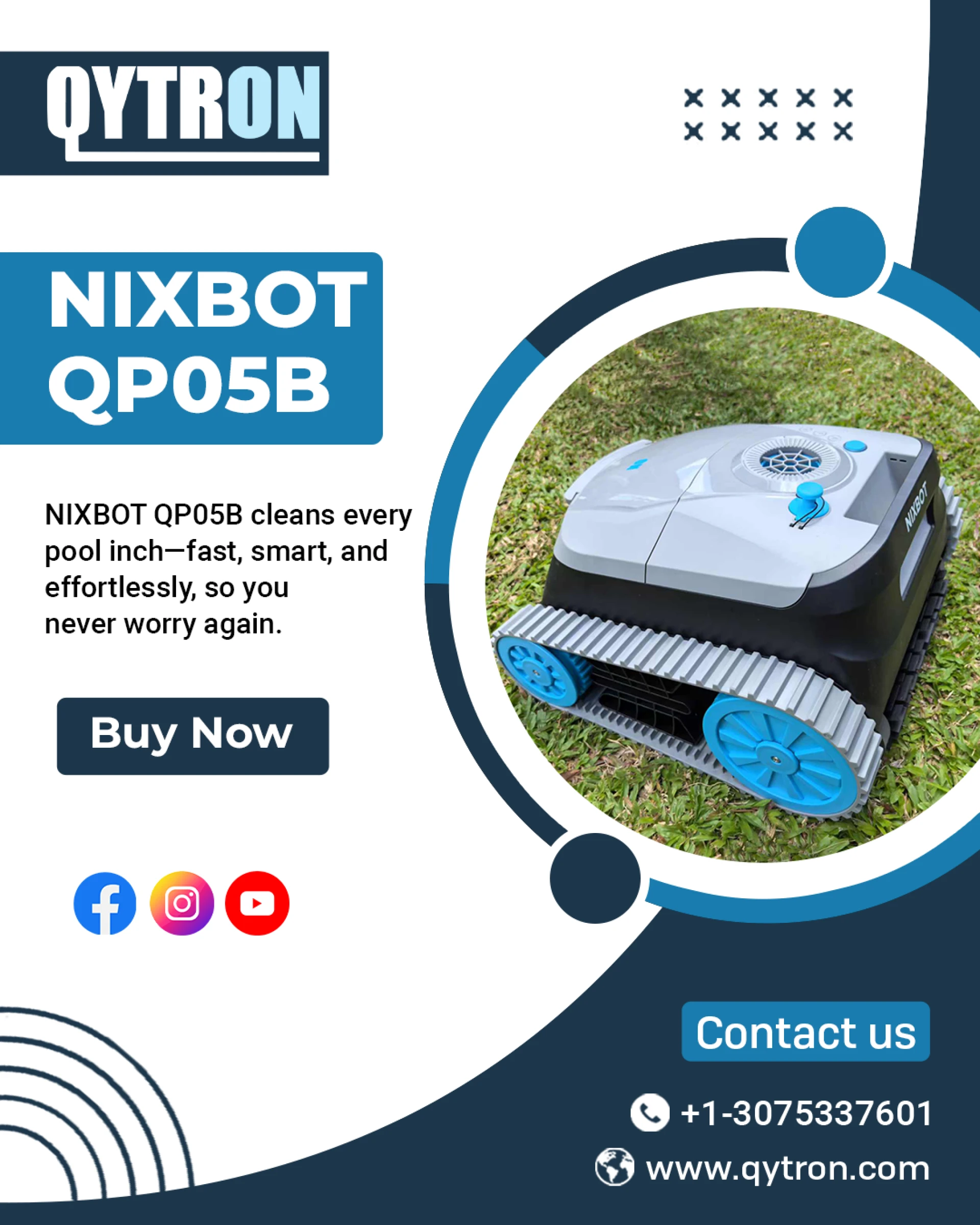
Swimming pools are the highlight of any backyard, offering a refreshing escape on warm days, a gathering spot for friends and family, and a source of wellness and recreation. But behind the serene blue water lies a constant need for maintenance. Pool cleaning isn’t just about scooping leaves or adjusting chlorine—it's an ongoing task that requires time, attention, and the right tools.
Enter Robotic pool cleaners, a game-changing innovation that has revolutionized how pools are maintained. These intelligent machines bring together smart technology, efficiency, and ease of use to handle one of the most tedious parts of pool ownership: keeping it clean. In this guest post, we’ll explore how robotic pool helpers work, their benefits, and what you need to know before diving into this smart solution.
What Are Robotic Pool Cleaners?
Robotic pool cleaners are automated devices specifically designed to clean swimming pools without human effort. Unlike suction or pressure-side cleaners, which depend on your pool’s pump system, robotic models are self-contained units powered by electricity. They plug into a low-voltage power supply and use advanced sensors and motors to navigate and clean every inch of your pool.
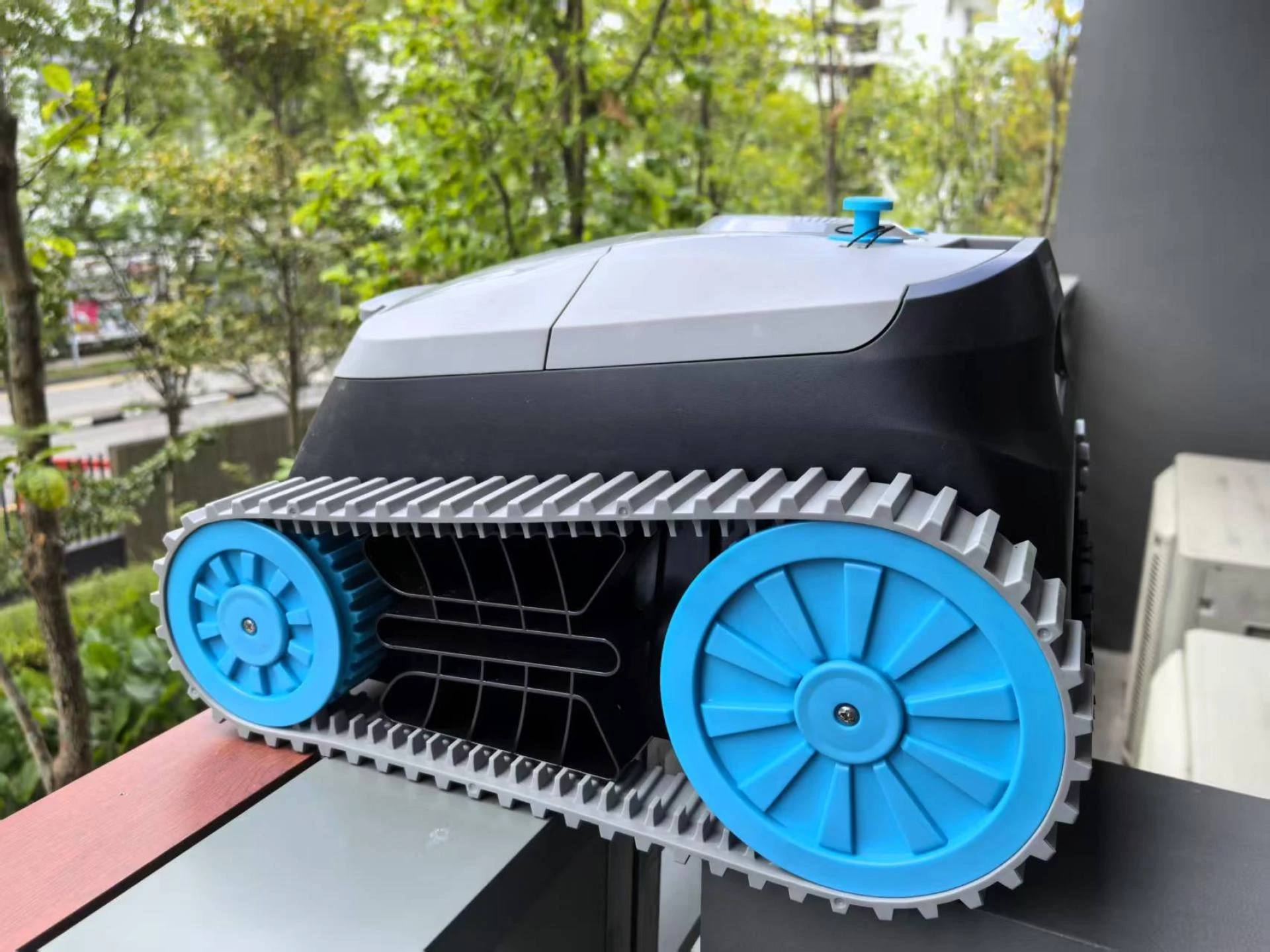
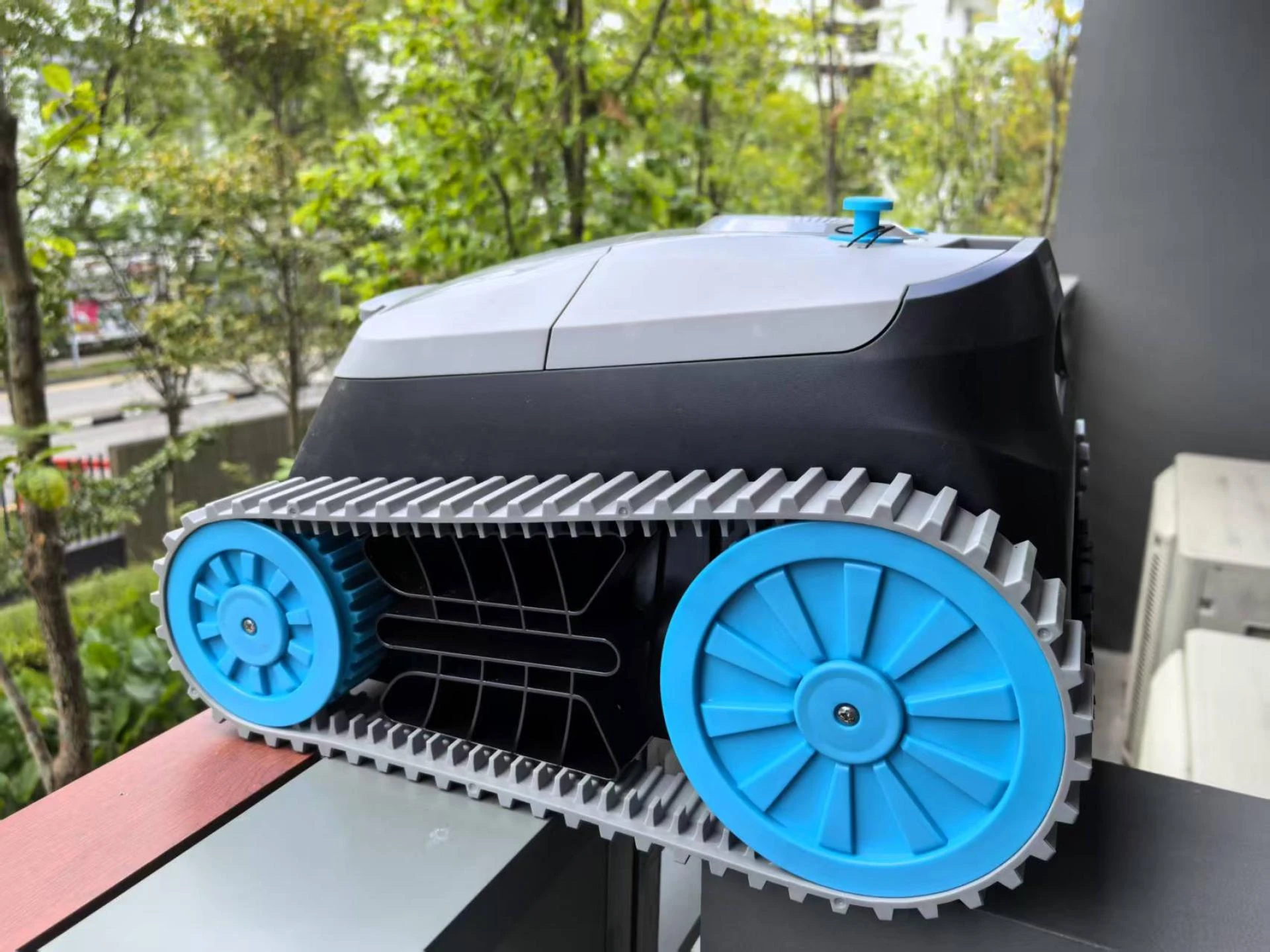
These robots are built to scrub the pool floor, climb walls, clean steps, and even tackle the waterline where grime often builds up. Most come equipped with rotating brushes, onboard vacuum systems, and internal filtration units to trap debris of all sizes—from leaves and twigs to sand, algae, and microscopic particles.
How Do They Work?
At their core, robotic pool cleaners use a combination of motors, sensors, and programmable logic to map and clean the pool's surfaces. Here’s a breakdown of their operation:
- Power Connection: The robot is connected to a low-voltage transformer that plugs into a standard electrical outlet. This powers the unit safely and efficiently.
- Submersion and Activation: Once placed in the pool, the cleaner sinks to the bottom and begins its pre-programmed cleaning cycle. Some models require manual initiation, while others can be controlled via a mobile app or remote.
- Navigation System: Using sensors, gyroscopes, or AI-based mapping, the cleaner determines the pool's shape and optimizes its cleaning path for maximum efficiency.
- Scrubbing and Suction: Rotating brushes agitate dirt from surfaces, while a powerful suction motor pulls debris into an onboard filter basket or cartridge.
- Filtration: The internal filter system captures both large and fine particles, purifying the water as the robot moves.
- Climbing and Maneuvering: High-end models can climb walls and navigate over obstacles like drains and steps to ensure complete coverage.
Once the cycle is complete—usually within 1 to 3 hours—the robot can be lifted out, and the filter compartment emptied and rinsed for the next use.
Top Benefits of Robotic Pool Helpers
1. Hands-Free Cleaning
One of the greatest advantages of robotic cleaners is their autonomy. You no longer need to manually brush the walls or vacuum the floor. Just drop the unit in, press a button, and let it do its job.
2. Thorough and Consistent
Robotic cleaners are equipped to handle full pool coverage, including hard-to-reach areas. Their consistent brushing and suction action help prevent algae buildup and keep surfaces spotless.
3. Energy Efficiency
These devices use minimal electricity and operate independently of your pool’s pump system, reducing wear and tear on other equipment and saving on energy costs.
4. Time-Saving
With a robotic pool cleaner, what once took hours of effort becomes a set-it-and-forget-it task. This gives you more time to enjoy your pool rather than maintain it.
5. Water Circulation Boost
As the robot moves through the pool, it stirs up stagnant water and redistributes chemicals, contributing to better overall water quality.
6. User-Friendly Design
Most models are lightweight, easy to operate, and designed with intuitive filter compartments for simple debris removal and cleaning.
Types of Robotic Pool Cleaners
Robotic pool cleaners & pool cleaner robot come in various models tailored to different pool types and cleaning needs. While they all share the same basic function, they vary in features and performance:
- Basic Models: Ideal for small, above-ground pools. These focus on cleaning the pool floor and offer manual control options.
- Mid-Range Models: Suitable for larger or irregularly shaped in-ground pools. These typically include wall-climbing features and scheduled cleaning cycles.
- Premium Models: Packed with smart technology such as remote control via smartphone, advanced mapping, waterline cleaning, and programmable settings for full customization.
What to Consider Before Buying
Choosing the right robotic cleaner depends on several factors. Here’s what you should keep in mind:
1. Pool Size and Shape
Ensure the cleaner is rated for your pool’s dimensions. A small unit may struggle in a large or deep pool, while a large unit might be unnecessary for compact ones.
2. Surface Type
Pools can be lined with vinyl, fiberglass, concrete, or tile. Make sure the robot is compatible with your pool’s surface for optimal traction and cleaning effectiveness.
3. Filtration Needs
If your pool collects a lot of fine debris (like dust or sand), look for models with ultra-fine filters. Some units come with interchangeable cartridges for different cleaning scenarios.
4. Cleaning Cycle and Speed
Some robots complete a cleaning cycle in under 90 minutes, while others may take longer for deeper, more thorough cleaning. Choose one that fits your schedule and expectations.
5. Ease of Maintenance
Look for models with top-loading filter compartments, washable cartridges, and quick-drain features to make post-cleaning maintenance a breeze.
6. Storage and Portability
Some robotic cleaners include storage caddies or carts for easy transport and protection. If your pool area is limited, compact models may be the better fit.
Maintenance and Care Tips
To extend the life of your robotic pool cleaner and keep it operating efficiently, follow these simple maintenance tips:
- Empty and Rinse Filters After Each Use: This prevents clogging and ensures consistent suction performance.
- Inspect Brushes and Tracks: Regularly check for wear or debris buildup.
- Store Indoors or in a Shaded Area: Direct sunlight and extreme temperatures can degrade plastic parts and internal components.
- Avoid Tangles: Keep the power cable straight and untangled during operation and storage.
Is a Robotic Cleaner Right for You?
If you value convenience, consistent results, and clean water, a robotic pool cleaner is a worthy investment. It transforms pool maintenance from a chore into a simple routine and helps you enjoy your pool without constant upkeep.
Whether you’re a busy homeowner, a seasonal swimmer, or someone who simply enjoys lounging by the pool without lifting a brush, robotic cleaners offer a high-tech, low-effort solution that brings peace of mind.
Conclusion
Swimming pool cleaning robot helpers represent a leap forward in pool maintenance. They’re smart, efficient, and designed to keep your swimming environment clean with minimal effort. As more homeowners look for ways to automate and simplify their lives, these devices continue to grow in popularity—and for good reason.
So, the next time your pool starts looking a little cloudy, consider letting a robotic assistant dive in and take over. Clean water, less hassle, and more time to relax—what more could you ask for?

























Sign in to leave a comment.