
Dealing with pests in your home can be a frustrating challenge, and many homeowners opt for a do-it-yourself (DIY) approach to save money. While DIY pest control can be effective in many cases, it's crucial to understand what works and when it's time to call in the professionals. In this comprehensive guide, Pest Control Cronulla will explore effective DIY pest control strategies and situations where professional intervention is the best choice.
Effective DIY Pest Control Strategies
1. Prevention
Preventing pest infestations is the first line of defense. Implement these preventive measures:
Seal Entry Points: Inspect your home for cracks, gaps, and openings that pests can use to enter. Seal them with caulk, weather stripping, or other appropriate materials. Focus on doors, windows, and gaps in the foundation.
Maintain Cleanliness: A clean environment is less attractive to pests. Regularly clean up crumbs, spills, and food residue. Empty the trash regularly and keep garbage bins tightly sealed.
Proper Food Storage: Use airtight containers for storing grains, cereals, and other pantry items. Store pet food in sealed containers and avoid leaving it out overnight.
Eliminate Standing Water: Many pests, especially mosquitoes, breed in standing water. Eliminate sources of standing water in your yard and garden.
2. Natural Repellents
Explore natural and non-toxic pest control alternatives:
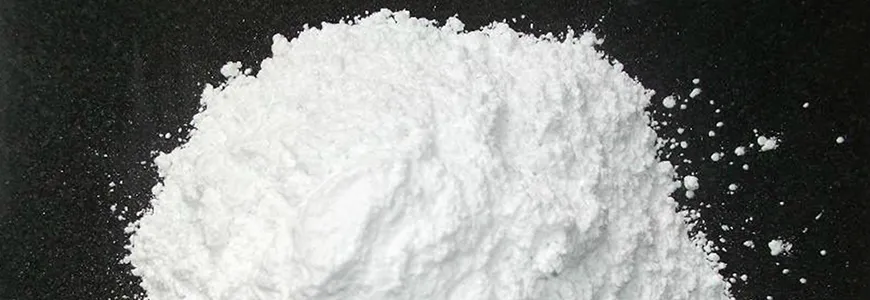
Diatomaceous Earth: A non-toxic powder that can effectively deter crawling insects.
Neem Oil: Considered safe for humans and pets, neem oil can repel a variety of pests.
Peppermint Oil: Known for repelling ants, spiders, and rodents.
Boric Acid: Effective against cockroaches, ants, and silverfish.
3. Traps and Baits
Use traps and baits for targeted pest control:
Rodent Traps: Snap traps, live traps, and electronic traps can help capture mice and rats.
Insect Traps: Sticky traps can be effective for catching flying insects like fruit flies or gnats.
Baits: Use ant baits or roach baits in problem areas.
4. Regular Inspections
Periodically inspect your home for signs of pest activity:
Droppings: Look for pest droppings, which can be indicative of an infestation.
Chewed Wires or Wood: Rodent or termite damage should be addressed promptly.
Nesting Materials: If you discover nesting materials, take action to remove or deter pests.
When to Call the Professionals
While DIY methods are suitable for many situations, some scenarios require the expertise of pest control professionals:
1. Severe Infestations
If pests have overrun your home, it's best to call experts who can efficiently eradicate the problem. Large infestations often require specialized knowledge and equipment.
2. Specialized Pests
Certain pests, such as termites, bed bugs, or wildlife intrusions, demand specialized approaches. Professionals are trained to handle these situations safely and effectively.
3. Health Risks
Pests like rodents and cockroaches can carry diseases or allergens that pose health risks. Professionals have the necessary protective gear and expertise to handle biohazardous materials safely.
4. Safety Concerns
For safety reasons, some pests should not be handled without professional training:
Venomous Insects or Spiders: These require caution and expertise to manage.
Hive Removal: Bee and wasp hive removal can be dangerous and is best left to professionals.
Wildlife Intrusion: Larger wildlife like raccoons or bats can be aggressive or carry diseases, making professional removal essential.
Conclusion
DIY pest control can effectively manage many common pest issues, but knowing when to call in professionals is equally important. By understanding your options and recognizing the severity of the situation, you can make informed decisions to keep your home pest-free and your family safe and healthy.
























Sign in to leave a comment.