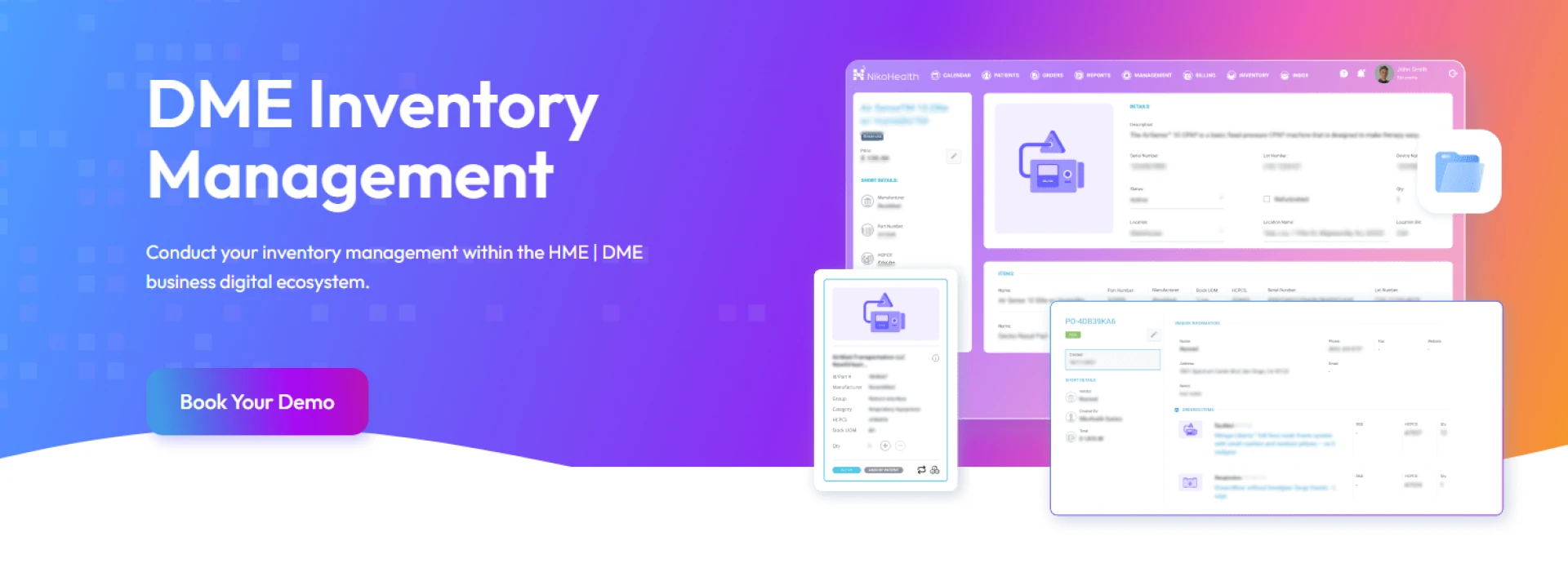

Durable Medical Equipment (DME) providers operate in a highly complex and regulated environment. From managing inventory across multiple locations to ensuring compliance with healthcare standards, the challenges are significant. As demand for home healthcare services continues to grow, so does the need for efficient inventory control systems. This is where dme inventory management software plays a pivotal role.
In this comprehensive article, we will explore how modern inventory management solutions are revolutionizing the DME industry, the key features to look for, the benefits they offer, and how providers can successfully implement them to drive growth and efficiency.
Understanding the Challenges in DME Inventory Management
Before diving into solutions, it's important to understand the unique challenges faced by DME providers.
1. Complex Inventory Tracking
DME providers handle a wide range of equipment—from wheelchairs and hospital beds to oxygen tanks and CPAP machines. Each item may have different tracking requirements, including serial numbers, maintenance schedules, and rental periods.
2. High Risk of Errors
Manual inventory tracking often leads to errors such as misplaced equipment, incorrect stock levels, or billing discrepancies. These mistakes can directly impact patient care and revenue.
3. Regulatory Compliance
Healthcare regulations require strict documentation and traceability. Failing to meet compliance standards can result in penalties or loss of accreditation.
4. Inefficient Workflows
Without automation, staff spend excessive time on administrative tasks such as inventory audits, order processing, and reporting.
5. Demand Fluctuations
Patient needs can change rapidly, especially during health crises. Providers must be able to respond quickly without overstocking or understocking.
What Is DME Inventory Management Software?
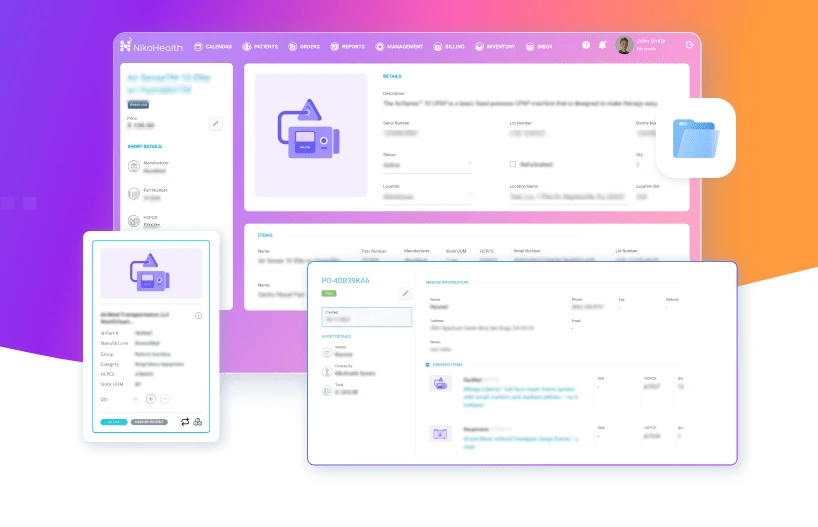
DME inventory management software is a specialized digital solution designed to help providers track, manage, and optimize their inventory in real time. Unlike generic inventory systems, these platforms are tailored to the unique needs of the healthcare and DME sectors.
They integrate inventory tracking with billing, patient management, and compliance systems, creating a centralized platform for operations.
Key Features of DME Inventory Management Software
When evaluating a solution, it’s essential to look for features that address the specific needs of your business.
Real-Time Inventory Tracking
Track every piece of equipment across multiple locations in real time. This ensures accurate stock levels and reduces the risk of lost or misplaced items.
Barcode and RFID Integration
Automated tracking using barcode scanning or RFID technology improves accuracy and speeds up inventory processes.
Equipment Lifecycle Management
Monitor the entire lifecycle of each asset—from procurement and deployment to maintenance and retirement.
Order and Fulfillment Management
Streamline order processing and ensure timely delivery of equipment to patients.
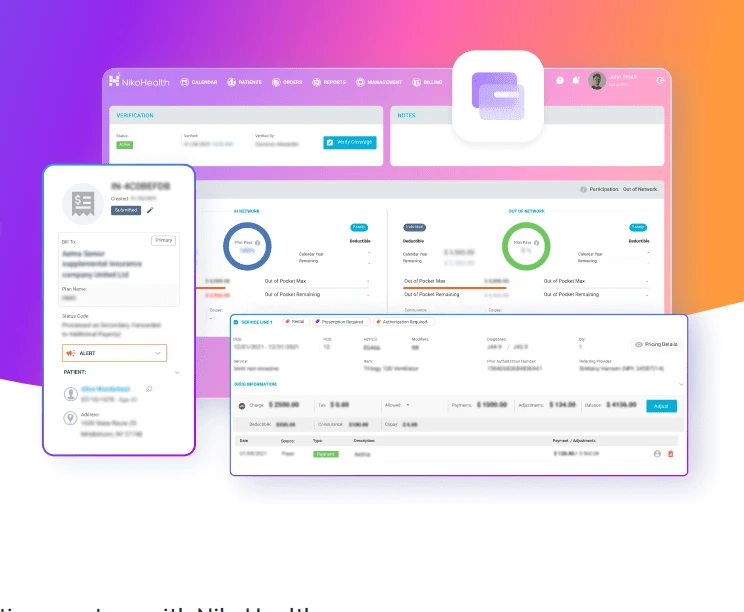
Integration with Billing Systems
Seamless integration with billing platforms reduces errors and ensures accurate reimbursement.
Compliance and Documentation
Maintain detailed records to meet regulatory requirements and simplify audits.
Reporting and Analytics
Gain insights into inventory trends, utilization rates, and operational efficiency.
Benefits of Implementing DME Inventory Management Software
Adopting a robust inventory management system offers numerous advantages.
1. Improved Operational Efficiency
Automation reduces manual tasks, allowing staff to focus on patient care rather than administrative work.
2. Enhanced Accuracy
Real-time tracking minimizes errors and ensures that inventory data is always up to date.
3. Cost Savings
Better inventory control reduces overstocking, prevents loss, and improves resource allocation.
4. Faster Order Fulfillment
Streamlined processes enable quicker response times, improving patient satisfaction.
5. Regulatory Compliance
Built-in compliance features ensure that all documentation and reporting requirements are met.
6. Better Decision-Making
Advanced analytics provide actionable insights, helping providers make informed business decisions.
How DME Inventory Management Software Enhances Patient Care
While operational benefits are significant, the ultimate goal is to improve patient outcomes.
Timely Equipment Delivery
Patients receive the equipment they need without delays, which is critical for recovery and ongoing care.
Reduced Errors
Accurate tracking ensures that patients receive the correct equipment, minimizing risks.
Improved Communication
Integrated systems facilitate better coordination between staff, suppliers, and healthcare providers.
Proactive Maintenance
Scheduled maintenance ensures that equipment is always in optimal condition, enhancing safety and reliability.
Integration with Other Healthcare Systems
Modern DME solutions are not standalone tools—they are part of a broader healthcare ecosystem.
Electronic Medical Records (EMR)
Integration with EMR systems ensures that patient data and equipment usage are aligned.
Revenue Cycle Management (RCM)
Connecting inventory with billing systems streamlines the revenue cycle and reduces claim denials.
Customer Relationship Management (CRM)
Enhance patient engagement and improve service delivery through better data management.
Choosing the Right DME Inventory Management Software
Selecting the right solution requires careful consideration.
Assess Your Needs
Identify your specific challenges and requirements. Consider factors such as business size, inventory volume, and regulatory requirements.
Evaluate Features
Ensure that the software includes all essential features, including tracking, reporting, and integration capabilities.
Scalability
Choose a solution that can grow with your business.
User-Friendliness
An intuitive interface reduces training time and improves adoption.
Vendor Support
Reliable customer support is crucial for successful implementation and ongoing use.
Implementation Best Practices
Successfully implementing a new system requires a strategic approach.
1. Plan Thoroughly
Develop a clear implementation plan, including timelines, resources, and objectives.
2. Train Your Team
Provide comprehensive training to ensure that staff can use the system effectively.
3. Data Migration
Ensure accurate and secure transfer of existing data into the new system.
4. Test the System
Conduct thorough testing to identify and resolve any issues before full deployment.
5. Monitor and Optimize
Continuously monitor performance and make improvements as needed.
Future Trends in DME Inventory Management
The DME industry is evolving rapidly, and technology is playing a key role in shaping its future.
Artificial Intelligence (AI)
AI-driven analytics can predict demand, optimize inventory levels, and identify inefficiencies.
Internet of Things (IoT)
Connected devices enable real-time monitoring of equipment usage and condition.
Cloud-Based Solutions
Cloud platforms offer greater flexibility, scalability, and accessibility.
Mobile Applications
Mobile access allows staff to manage inventory on the go, improving efficiency.
Automation and Robotics
Automated systems can further streamline warehouse operations and reduce manual labor.
Real-World Use Cases
Case Study 1: Reducing Inventory Loss
A mid-sized DME provider implemented inventory management software with RFID tracking. Within six months, they reduced equipment loss by 30% and improved inventory accuracy.
Case Study 2: Improving Order Fulfillment
A large provider integrated their inventory system with their billing platform. This reduced order processing time by 40% and significantly improved patient satisfaction.
Case Study 3: Enhancing Compliance
A healthcare organization used automated documentation features to streamline audits and achieve full regulatory compliance.
Common Mistakes to Avoid
عدم Proper Planning
Skipping the planning phase can lead to implementation challenges and poor results.
Ignoring Staff Training
Without proper training, even the best software will fail to deliver its full potential.
Choosing Based on Price Alone
While cost is important, functionality and reliability should be the primary considerations.
عدم Integration
Failing to integrate with existing systems can create inefficiencies and data silos.
The ROI of DME Inventory Management Software
Investing in the right solution can deliver significant returns.
Reduced Operational Costs
Automation and improved efficiency lower overall expenses.
Increased Revenue
Accurate billing and faster processing lead to better cash flow.
Improved Customer Satisfaction
Better service delivery enhances patient trust and loyalty.
Long-Term Growth
Scalable solutions support business expansion and adaptation to market changes.
Conclusion
The DME industry is at a critical juncture, where efficiency, accuracy, and patient care must go hand in hand. Traditional inventory management methods are no longer sufficient to meet the demands of modern healthcare.
By adopting advanced dme inventory management software, providers can streamline operations, reduce errors, and deliver better outcomes for patients. From real-time tracking and automation to integration and analytics, these solutions offer a comprehensive approach to managing complex inventory systems.
As technology continues to evolve, those who embrace digital transformation will be best positioned to succeed in an increasingly competitive landscape. Investing in the right tools today is not just a strategic decision—it is a necessity for sustainable growth and excellence in patient care.



Sign in to leave a comment.