

In an era where flexibility and adaptability are paramount in the world of work, coworking spaces have emerged as a beacon of productivity for modern professionals. These shared workspaces offer more than just a desk and Wi-Fi; they provide an ecosystem designed to foster creativity, collaboration, and ultimately, enhanced productivity. But do coworking spaces truly live up to their reputation for boosting productivity through flexible work environments? Let’s delve into the dynamics at play.
· One of the key components of coworking spaces that contribute to productivity is the freedom of choice they offer. Unlike traditional offices with fixed layouts and rigid schedules, coworking spaces empower individuals to tailor their work environment to suit their unique preferences and needs. Whether it’s selecting a quiet corner for focused work, joining a communal table for brainstorming sessions, or retreating to a private pod for confidential calls, members have the flexibility to curate their surroundings for optimal productivity.
· Another factor that sets coworking spaces apart is the opportunity for collaboration and networking. These environments bring together professionals from diverse backgrounds, industries, and expertise levels, creating fertile ground for idea exchange and knowledge sharing. Through serendipitous encounters and structured networking events, members can tap into a wealth of insights, resources, and potential collaborations that can propel their projects forward. The synergy generated within coworking communities often leads to innovative solutions and accelerated progress, further enhancing productivity.
· For many remote workers and freelancers, working from home can be rife with distractions, from household chores to noisy neighbors. Coworking spaces offer a reprieve from these interruptions by providing a dedicated work environment free from domestic distractions. By stepping into a professional workspace, individuals can mentally transition into work mode, boosting focus and concentration. Additionally, the presence of like-minded peers engrossed in their own tasks creates a sense of accountability and motivation, further minimizing distractions and fostering productivity.
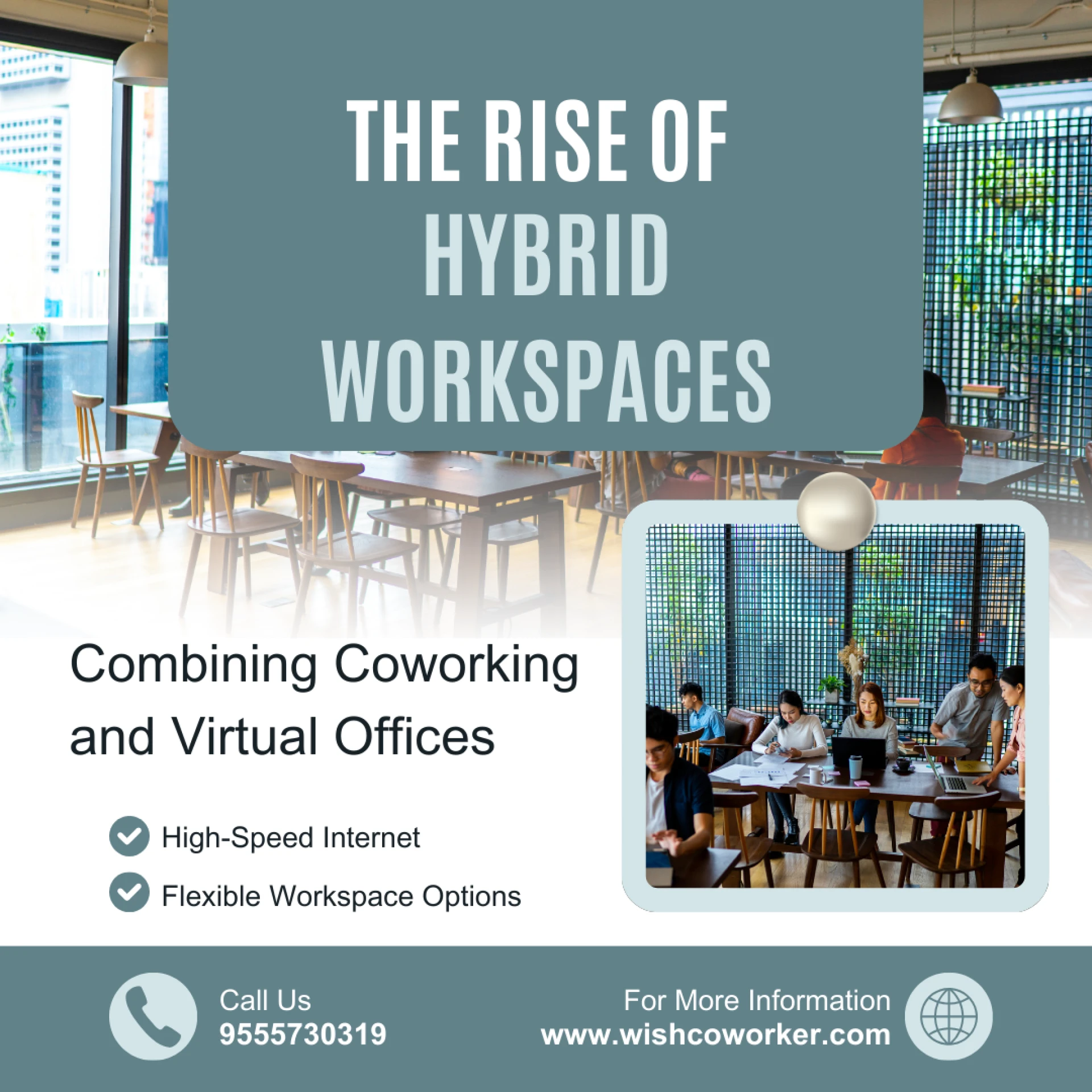
· Beyond the physical workspace, coworking spaces offer flexibility in terms of membership options and amenities. Whether individuals require a hot desk for occasional use, a dedicated desk for consistent access, or a private office for team collaboration, coworking spaces cater to a variety of needs. Moreover, amenities such as high-speed internet, meeting rooms, and ergonomic furniture are readily available, eliminating logistical barriers and enabling members to focus solely on their work. This flexibility in membership and amenities allows professionals to adapt their workspace to align with their evolving requirements, enhancing overall productivity.
Coworking spaces have demonstrated their ability to enhance productivity through flexible work environments. By offering freedom of choice, fostering collaboration and networking, eliminating distractions, and providing flexibility beyond physical space, these shared workspaces empower individuals to work more efficiently and effectively. As the future of work continues to evolve, coworking spaces are poised to play an increasingly pivotal role in shaping productive work environments that cater to the diverse needs of modern professionals.


























Sign in to leave a comment.