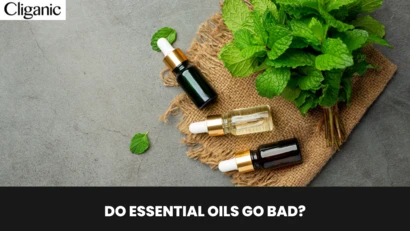

Whether you’re a seasoned veteran or aromatherapy newbie, it’s important to understand how to use and store essential oils properly. Like any other natural product, essential oils have a shelf life. In this article, we uncover the secrets behind the longevity of essential oils, explore the factors that can influence their quality over time, and answer the question: do essential oils go bad?
What Are Essential Oils?
Essential oils are volatile compounds extracted from plants through distillation or cold-pressing methods. They contain the essence of the plant, including its fragrance and therapeutic properties. These oils are highly concentrated, making them potent and effective when used correctly.
Factors Affecting Shelf Life
There are several things that can impact the shelf life of an essential oil including:
Quality: The quality of essential oils plays a crucial role in determining their shelf life. Pure, high-quality oils extracted from organic plants tend to have a longer shelf life compared to oils that are diluted or adulterated.
Storage Conditions: Proper storage is essential to maintain the integrity of essential oils. Exposure to heat, light, and air can accelerate the oxidation process, leading to a shorter shelf life. It is recommended to store essential oils in dark glass bottles, away from direct sunlight and extreme temperatures.
Oxygen Exposure: Essential oils can react with oxygen, causing oxidation. This process can alter the chemical composition of the oil, reducing its potency and aroma. To minimize oxygen exposure, ensure that the bottle is tightly sealed after each use.
Age: Like most natural products, essential oils have a limited shelf life. Over time, the chemical constituents of the oil can degrade, resulting in a loss of therapeutic properties. However, the shelf life can vary depending on the specific oil and its quality. For instance, cedarwood essential oil can last 4-5 years if stored properly, whereas citrus essential oils usually only last 1-2 years. You can learn more about the shelf life of specific essential oils here: Shelf Life of Essential Oils.
3 Signs Essential Oils Have Gone Bad
Not sure whether or not your essential oil has expired? Look for these signs.
Altered Aroma: One of the first signs of essential oil degradation is a change in its aroma. The oil may develop a rancid or unpleasant smell, indicating that it has gone bad.
Color Changes: Essential oils can undergo color changes as they age. While some oils naturally darken over time, a significant change in color, such as turning cloudy or developing sediment, may indicate spoilage.
Skin Irritation: Expired essential oils may cause skin irritation or allergic reactions when applied topically with a carrier oil. If you experience any adverse effects, it is best to discontinue use.
If your essential oil checks any of these boxes it’s best to throw it away. Using expired or rancid essential oils can have consequences such as skin irritations or adverse reactions. It’s very important to check your essential oils before use to make sure they are still viable. Additionally, oxidation degrades the essential oil of its aromatic and therapeutic benefits.
How to Extend the Shelf Life of Essential Oils
To maximize the shelf life of your essential oils, consider the following tips:
Proper Storage: Store essential oils in a cool, dark place, away from direct sunlight and extreme temperatures. A refrigerator can be an ideal storage option for oils that are particularly sensitive to heat.
Use Clean Tools: Always use clean droppers or pipettes when handling essential oils to prevent contamination.
Avoid Contamination: Ensure that the bottle's opening is clean and free from any residue or moisture before sealing it. This will help prevent the growth of bacteria or mold.
Regularly Rotate: If you have a large collection of essential oils, it is advisable to rotate your stock regularly. This ensures that you use the oils before they reach their expiration date. In general, you should replace your essential oils every 3 years, unless they are known to have a longer shelf-life.
Closing Thoughts
While essential oils do have a shelf life, proper storage and handling can significantly extend their longevity. By understanding the factors that affect their shelf life and recognizing the signs of deterioration, you can ensure that your essential oils remain potent and effective for as long as possible. Remember, using fresh and high-quality oils will always provide the best therapeutic experience. Want to learn more essential oil tips? Read this article: How to Dilute Essential Oils.






















Sign in to leave a comment.