

Typical digestive troubles, bloating, and tiredness can lead many to turn to alternative ways of getting help. Taking gut health supplements is a trusted way to relieve indigestion, get your microbiome functioning well, and boost your mood. Does that promise stand up to verification by real science? The growing number of options out there makes clarity more important for making smarter decisions. This article investigates what the research reveals regarding the use of gut health supplements.
What Science Tells Us About Gut Support Products
Health experts are now researching how the body’s digestive system reacts to different vitamins and supplements. Some results look very encouraging, yet others suggest that personal biology still plays a big role. What follows is an analysis of the outcomes from major research studies on supplements.
Not All Probiotics Are Created Equal
Many gut supplements contain probiotics, sometimes called good bacteria. Most probiotics are counted as colony-forming units (CFUs), and some brands deliver billions in a single capsule. An overabundance of CFUs isn’t always better in the long run. The Frontiers in Microbiology highlighted that several probiotic strains will reap the perks of specific conditions like antibiotic-induced diarrhea or irritable bowel syndrome, or IBS.
The perks are more relevant to the general population. Probiotic strains such as Bifidobacterium longum or Lactobacillus rhamnosus have revealed their real potential in small-scale studies, supporting immune health while abating mild gastrointestinal symptoms. However, no one-size-fits-all formula guarantees the outcomes across the board.
Prebiotics and Fiber: Fuel for Your Microbiome
Prebiotics, which feed your gut bacteria and are not digested by humans, make up a big part of gut health supplements. Unlike probiotics, which supply bacteria yourself, prebiotics help the beneficial bacteria that are in your body multiply. Some good examples are inulin and FOS, both found in foods such as garlic, onions, and bananas.
A clinical trial published in The American Journal of Clinical Nutrition revealed that regularly consuming supplements with prebiotics enhanced the rate of calcium absorption, increasing the population of Bifidobacteria across healthy adults. This type of impact on the microbiome offers huge benefits, mainly when combined with a fiber-rich diet.
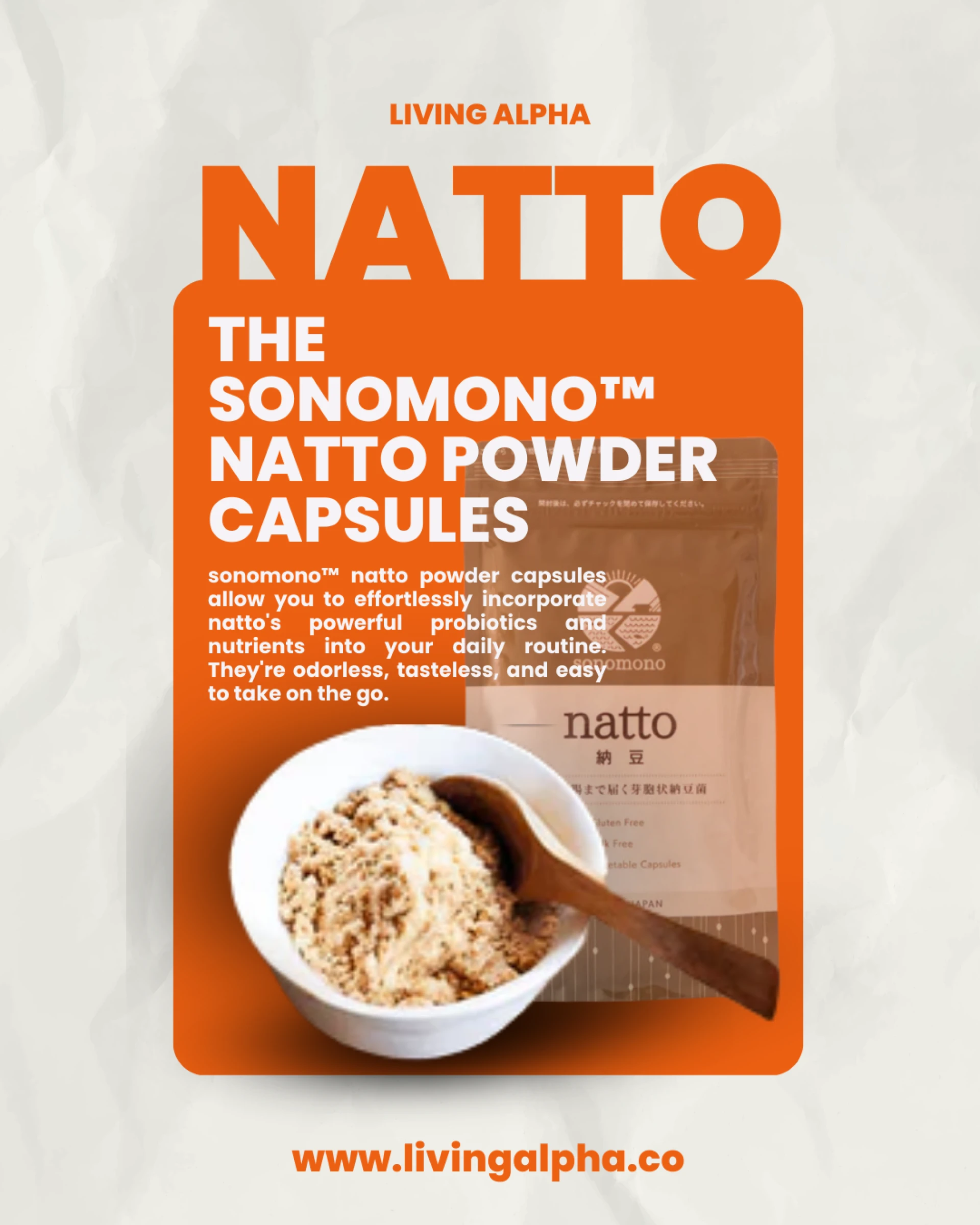
Fermented foods contain useful prebiotics and probiotics. Not many people consider the benefits of eating natto, an ordinary Japanese dish produced from fermented soybeans. Because of its special fermentation process, Bacillus subtilis in miso helps promote the health of the digestive and circulatory systems.
Digestive Enzymes and Their Impact
Amylase, protease, and lipase are examples of digestive enzymes often found in popular gut health supplements. Enzymes help break up carbohydrates, proteins, and fats so the body can absorb nutrients. People with pancreatic insufficiency or lactose intolerance often find that these enzymes are very helpful. Most healthy people usually make enough of their enzymes.
People are still arguing about whether enzymes found in over-the-counter supplements really help with nutrient absorption for everyone. Although a small number of studies suggest minor improvements for the digestive system, we need more evidence to learn about long-term health and whether it safely combines with other medicines or conditions.
Lifestyle Still Plays the Primary Role
While supplements can produce good results, they cannot solve problems with diet or chronic stress. Diet, physical movement, staying hydrated, and a good sleeping pattern make the most difference to the human microbiome. To experience the benefits of natto beans, they should be eaten regularly as part of a healthy meal plan, not only once in a while.
Stress can impact gut health. When you experience chronic stress, your gut barrier weakens, there is more inflammation, and the array of microbes in your gut changes. Dealing with stress holistically and taking specific supplements tends to give people longer-lasting health benefits.
The Gut-Brain Connection
Studies have discovered a strong connection between mental health and gut microbiota. This is specifically through the gut-brain axis, which forms the communication pathway between the central nervous system and the digestive tract. A few of the bacterial strains have a huge impact on the production of neurotransmitters such as serotonin, impacting sleep, mood, and stressors.
A review conducted by Nature Microbiology has revealed the manner in which the imbalanced gut bacteria directly contribute to depression symptoms and anxiety. Although not a cure-all, this deep insight adds to another new layer of relevance in using the gut health supplements.
The Risks of Over-Supplementation
Some gut health supplements can be dangerous. A few people describe bloating, gas, or diarrhea after they start new items such as probiotics or prebiotics. Most reactions go away within a couple of days, but if you still feel uncomfortable, it might suggest something else or the wrong supplement.
Using particular strains repeatedly without direction could upset your microbiota. As there are few regulations in this industry, the quality and purity of products can change from one brand to another. Before you start anything new, buy a third-party proven product and consult a doctor.
Including natto, some functional foods give us a safer approach to healthy digestion, along with giving us nutrients like vitamin K2 and fiber. Exploring gut-friendly foods, you may discover that natto beans help your digestive system, just like supplements do.
Conclusion
There is growing interest in gut health supplements for a reason. Many people now pay more attention to their digestive health and look for unusual ways to eat. By picking trusted items, listening to yourself, and making educated choices, you can navigate this expanding world confidently. This means we can gain important health benefits from many foods without feeling pressured to take pills or powders only. If you have concerns about your digestive balance, using careful amounts of gut health supplements could help.



























Sign in to leave a comment.