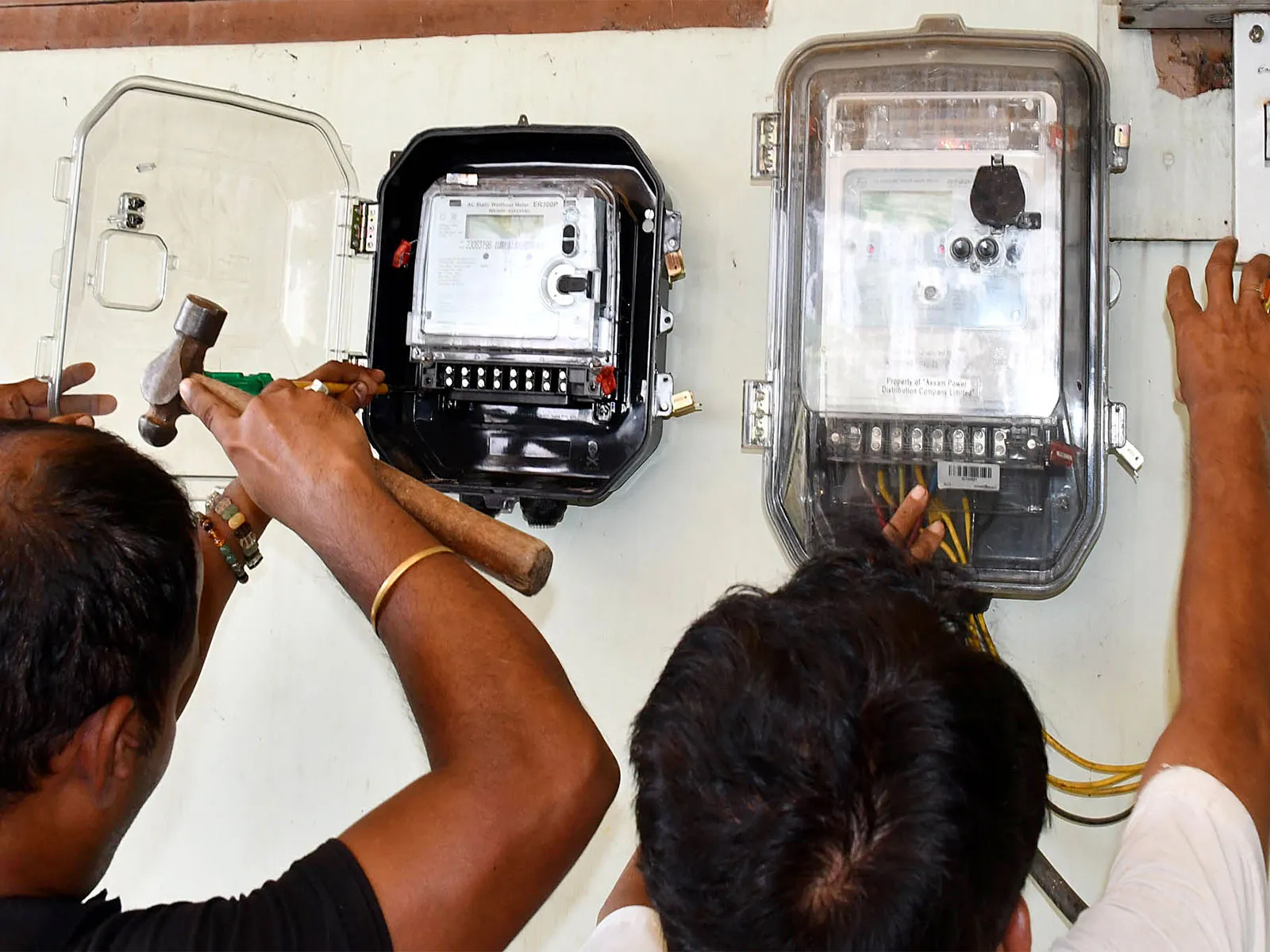

If you live outside a city or town, you've probably wondered whether smart meter technology actually reaches you the same way it reaches someone in a dense suburb. It's a fair question. Most of the marketing around smart grids shows tidy street rows of homes, not a farmhouse three miles from the nearest neighbor. So let's answer it directly: yes, smart meters can and do work in rural areas — but the "how" looks different from what it does in a city. That difference matters if you're a utility planning a rollout or a homeowner trying to understand what's being installed at your property.
Why the Question Even Comes Up
Smart meters rely on communication. The meter has to talk to the utility, usually many times a day, to report usage, flag outages, or receive commands. In a city, communication is easy. Meters are close together, cell towers are everywhere, and signal strength is rarely an issue.
Rural areas flip that equation. Homes are spread out. Cell coverage can be patchy or non-existent. Terrain — hills, forests, long stretches of open farmland — can block signals that would travel just fine in flat, built-up areas. So the concern isn't whether smart electric meters are physically capable of working in the country. It's whether the network behind them can keep up.
The Short Answer: It Depends on the Network Design
Smart meters themselves don't care where they're installed. The meter is just hardware measuring electricity flow and packaging that data for transmission. What determines whether it "works" in a rural setting is the communication network built around it. There are a few approaches utilities use, and each has trade-offs.
RF Mesh Networks
This is the most common approach in suburban and small-town deployments. Meters talk to each other in a chain, passing data along until it reaches a collector point connected to the utility. The problem in rural areas is obvious: if your nearest neighbor is a mile away, there's no mesh to join. Mesh networks need density to function well, so they tend to struggle once homes get spread past a certain distance.
Cellular Connectivity
Many rural deployments now lean on cellular networks instead, since each meter can transmit independently through available cell towers rather than relying on a neighboring meter. This solves the density problem, but it introduces a new one: coverage. If the cellular signal is weak or absent on a property, this method runs into the same wall as everything else.
Power Line Communication (PLC)
Instead of radio signals, PLC sends data through the existing electrical wiring itself. Because it uses the power line as the pathway rather than open air, it can be a strong fit for rural stretches where wireless signal is unreliable. The trade-off is that PLC performance can be affected by the condition and length of the line, along with electrical noise from certain equipment.
Satellite and Hybrid Solutions
For the most remote locations — places with no cell coverage and long, unreliable power line runs — satellite-based communication is increasingly used as a backup or primary option. It's more expensive per meter, so utilities generally reserve it for the hardest-to-reach spots rather than deploying it everywhere.
Most well-planned rural smart grid rollouts don't rely on just one of these. They combine methods based on terrain, existing infrastructure, and population density, choosing whichever option gives reliable data transmission for a given stretch of the service territory.
What This Means for Reliability
A smart meter that can't communicate consistently isn't providing much value. If data only trickles in occasionally instead of on a regular schedule, utilities lose the real-time visibility that makes smart metering worthwhile in the first place — things like fast outage detection, accurate billing without manual reads, and early warning signs of equipment issues.
This is why network planning matters more in rural deployments than the meter hardware itself. A utility that simply installs the same meter model used in its city territory, without adjusting the communication backbone, is likely to see gaps in data from its rural customers. A utility that maps out terrain, existing cell coverage, and line conditions before choosing a communication method is far more likely to get consistent performance.
The Benefits Don't Disappear in Rural Territory
It's worth pointing out that rural customers stand to gain just as much from smart metering as urban ones — arguably more in some cases. Faster outage detection matters a great deal when a downed line on a rural feeder might otherwise go unnoticed for hours. Accurate, automated billing removes the need for meter readers to drive long routes between properties. And usage data gives rural customers, many of whom rely on well pumps, irrigation systems, or larger seasonal loads, better insight into where their electricity is actually going.
None of that requires city-level population density. It requires a network built to handle the distances involved.
What Rural Customers Should Expect
If your utility is installing a smart meter on a rural property, a few things are worth knowing:
- The communication method may be different from what's used in town. Don't assume it works the same way just because the meter looks the same.
- Occasional data delays are more common in remote areas, particularly with cellular-based systems during periods of weak signal.
- Installation crews in rural territory sometimes need to test signal strength on-site before finalizing the setup, which can mean a slightly longer installation process.
- If a meter consistently fails to report data, it's usually a network issue rather than a hardware failure and is worth flagging to the utility directly.
The Bottom Line
Smart meters absolutely work in rural areas, but "working" isn't automatic just because the hardware is installed. It depends on whether the utility has built or chosen a communication network suited to the terrain and population spread of that specific territory. Mesh networks alone often fall short outside dense areas, which is why cellular, power line communication, and satellite options — often combined — have become standard tools for rural grid modernization.
For utilities planning a rollout, the lesson is straightforward: treat rural territory as its own planning problem rather than an extension of the suburban rollout. For rural customers, the takeaway is that smart metering is not just a city technology anymore. The infrastructure has caught up to the distance.























Sign in to leave a comment.