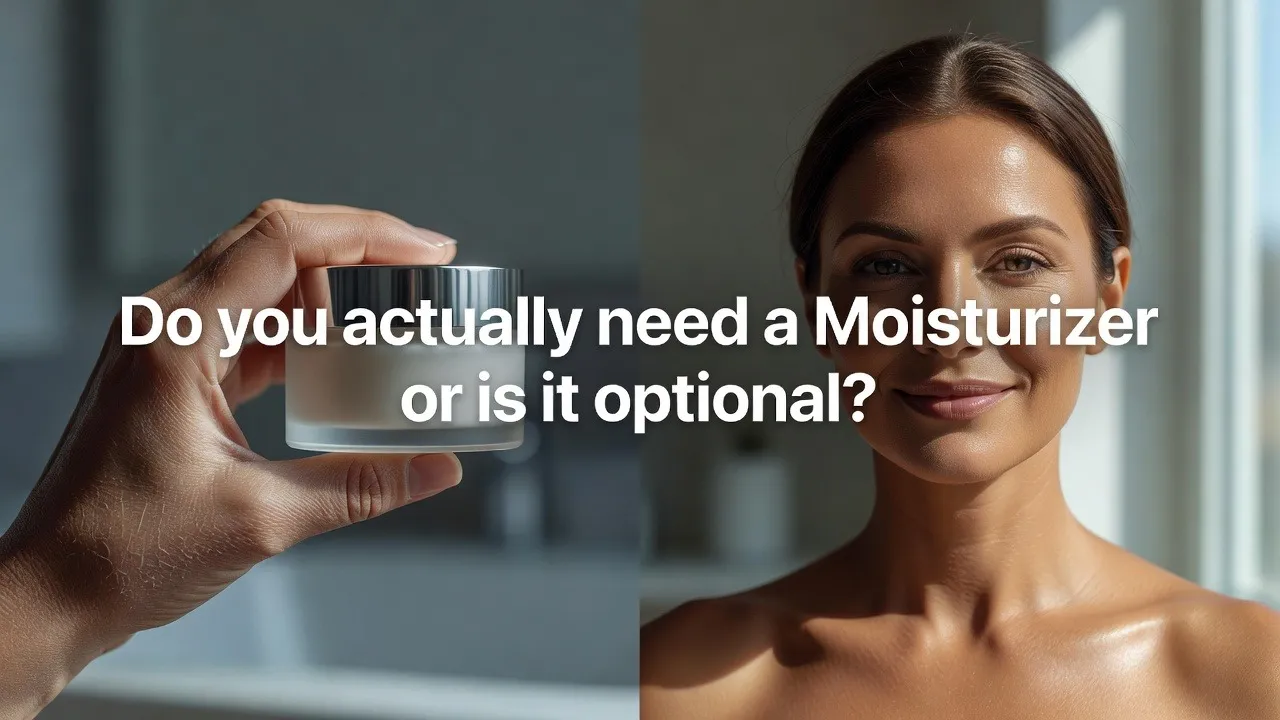

There is a persistent idea in skincare that moisturiser is somehow negotiable, something you can skip if your skin feels oily enough, or add back in only when it feels dry. But is moisturiser really an optional step, or is it doing more work than people give it credit for?
What Moisturiser Actually Does
Moisturiser's main job is to support your skin barrier, the outer layer that keeps moisture in and irritants out. It helps prevent water loss from your skin and creates a protective layer that allows your skin to function properly. This applies to every skin type, not just dry skin, which is where a lot of the confusion around skipping it comes from.
Even oily skin has a barrier that needs support. Oil on the surface does not mean your skin has enough hydration underneath, and skipping moisturiser based on that assumption often does more harm than good.
What Happens When You Skip It Regularly
Skin that consistently goes without moisturiser tends to overcompensate. This is especially true for oily and acne-prone skin, where skipping hydration can actually trigger more oil production, since your skin tries to make up for the moisture it is not getting from your routine.
Over time, skipping moisturiser can also weaken your skin barrier, making it more prone to irritation, sensitivity, and an uneven, rough texture. What feels like avoiding extra product often ends up creating more problems than it solves.
Does Every Skin Type Actually Need It
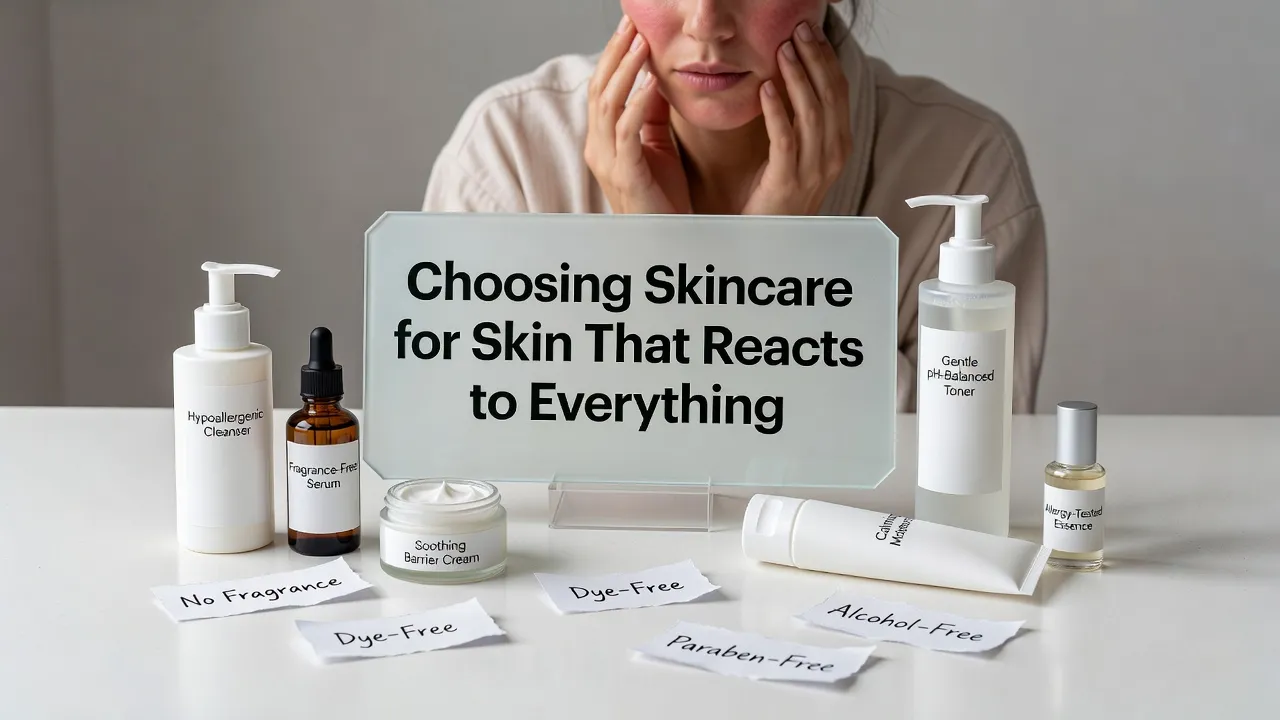
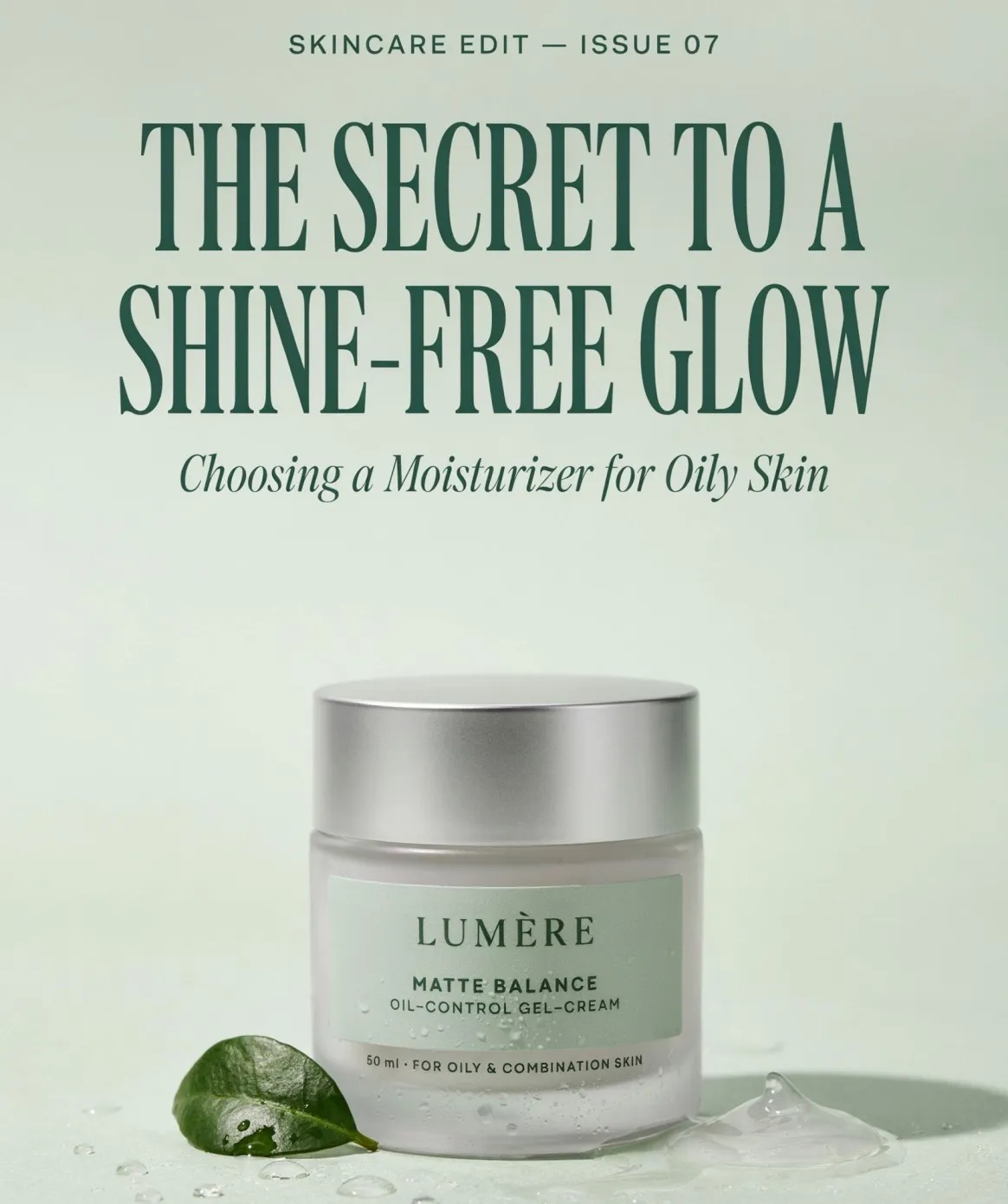
Yes, though the type of moisturiser matters more than whether you use one at all. Oily skin benefits from lightweight, oil-free formulas, while dry skin needs something richer to properly support hydration. Sensitive skin usually does best with fragrance-free, calming formulas that will not trigger irritation.
The idea that moisturiser is optional usually comes from choosing the wrong formula for your skin type, rather than moisturiser being unnecessary altogether. A heavy cream might feel wrong for oily skin, but that does not mean hydration itself is the problem.
Why Moisturiser Matters Even More During Monsoon
A lot of people assume they can skip moisturiser once humidity rises, since the air already feels damp. But a face moisturiser in this rainy season is just as important, if not more so, since indoor air conditioning and constant humidity shifts can actually dehydrate your skin more than you would expect.
Skipping this step during monsoon often leads to skin that looks oily on the surface while still feeling tight or rough underneath, a clear sign that your skin needs proper hydration rather than less of it.
How Moisturiser Fits Into Your Overall Routine
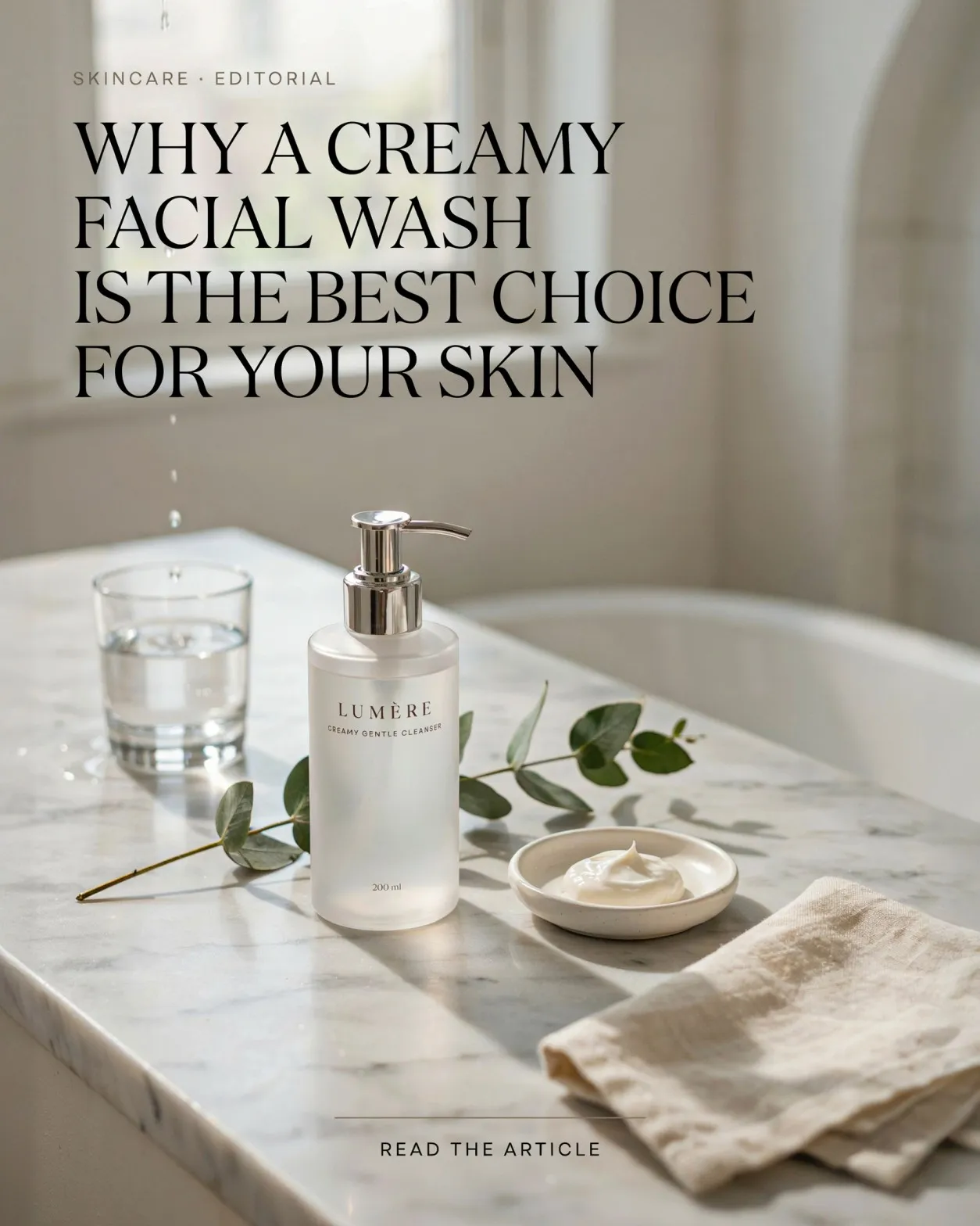
Moisturiser works best as part of a complete, simple routine rather than as a standalone fix. A gentle cleanser and moisturiser for best glowing skin, used consistently together, tend to support each other, since a proper cleanser prepares your skin to actually absorb the moisturiser that follows.
Skipping one half of this pairing, either by using a harsh cleanser or skipping moisturiser afterwards, disrupts the balance your skin needs to stay calm and hydrated throughout the day.
Common Myths That Keep People From Moisturising
One common myth is that moisturiser causes breakouts, when in reality, the wrong formula, usually one too heavy or comedogenic, is what causes clogged pores, not moisturising itself. Another myth is that moisturiser is unnecessary in humid weather, which overlooks how much moisture your skin can still lose due to air conditioning, over-cleansing, or general environmental stress.
These myths often lead people to skip a step their skin genuinely needs, based on assumptions rather than how their skin actually behaves.
Signs Your Skin Is Asking for Moisturiser
If your skin feels tight after cleansing, looks flaky in some areas while oily in others, or seems to produce more oil throughout the day than it used to, these are signs your skin might be under-moisturised rather than naturally oily. Paying attention to these signals helps you adjust your routine based on what your skin actually needs, rather than assumptions about your skin type.
How to Choose the Right Moisturiser
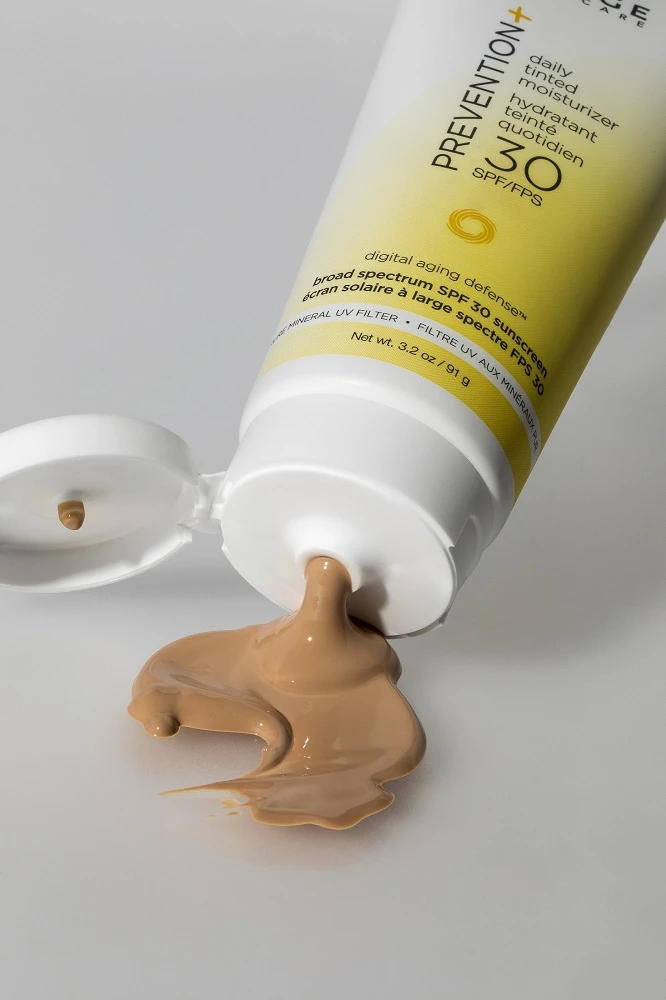
Look for lightweight, non-comedogenic formulas if you have oily or acne-prone skin, and richer, more emollient options if your skin leans dry. Fragrance-free formulas work best for sensitive skin, reducing the chances of irritation while still providing the hydration your skin needs to function properly.
Final Thoughts
Moisturiser is not an optional step, regardless of your skin type or the season. It plays a genuine role in supporting your skin barrier, preventing excess oil production, and maintaining overall skin health. Choosing the right formula for your specific skin, rather than skipping the step altogether, tends to make a noticeable difference in how balanced and comfortable your skin feels every day.
























Sign in to leave a comment.