
Kojic acid has been quietly showing up in more skincare products lately, especially anything promising brighter, more even-toned skin. It is not a new ingredient by any means, but it has been gaining fresh attention as more people look for gentler ways to deal with dark spots and dullness. Here is everything worth knowing before adding it to your routine.
What Is Kojic Acid?
Kojic acid is a naturally derived ingredient, typically produced from fermented rice or certain types of fungi. It is best known for its skin-brightening properties, specifically its ability to slow down melanin production, which is what causes dark spots, sun damage, and uneven pigmentation in the first place.
Unlike some brightening ingredients that work purely on the surface, kojic acid targets the actual process behind pigmentation, making it a popular choice for people dealing with stubborn dark spots that other products have not fully addressed.
How Does Kojic Acid Work on Skin?
Melanin, the pigment responsible for skin colour, is produced by cells that rely on a specific enzyme to function properly. Kojic acid works by inhibiting this enzyme, which slows down excess melanin production in areas where pigmentation has built up unevenly.
Over time, with consistent use, this can lead to a noticeable reduction in dark spots, sun damage, and general unevenness, giving skin a more balanced, brighter appearance without the harsh side effects associated with some older skin-lightening ingredients.
What Kojic Acid Is Commonly Used For
Kojic acid is often recommended for post-acne marks, sun spots, and melasma, all of which involve excess pigmentation in specific areas rather than an overall skin tone issue. It works gradually, which makes it a good option for people who want visible improvement without resorting to more aggressive treatments.
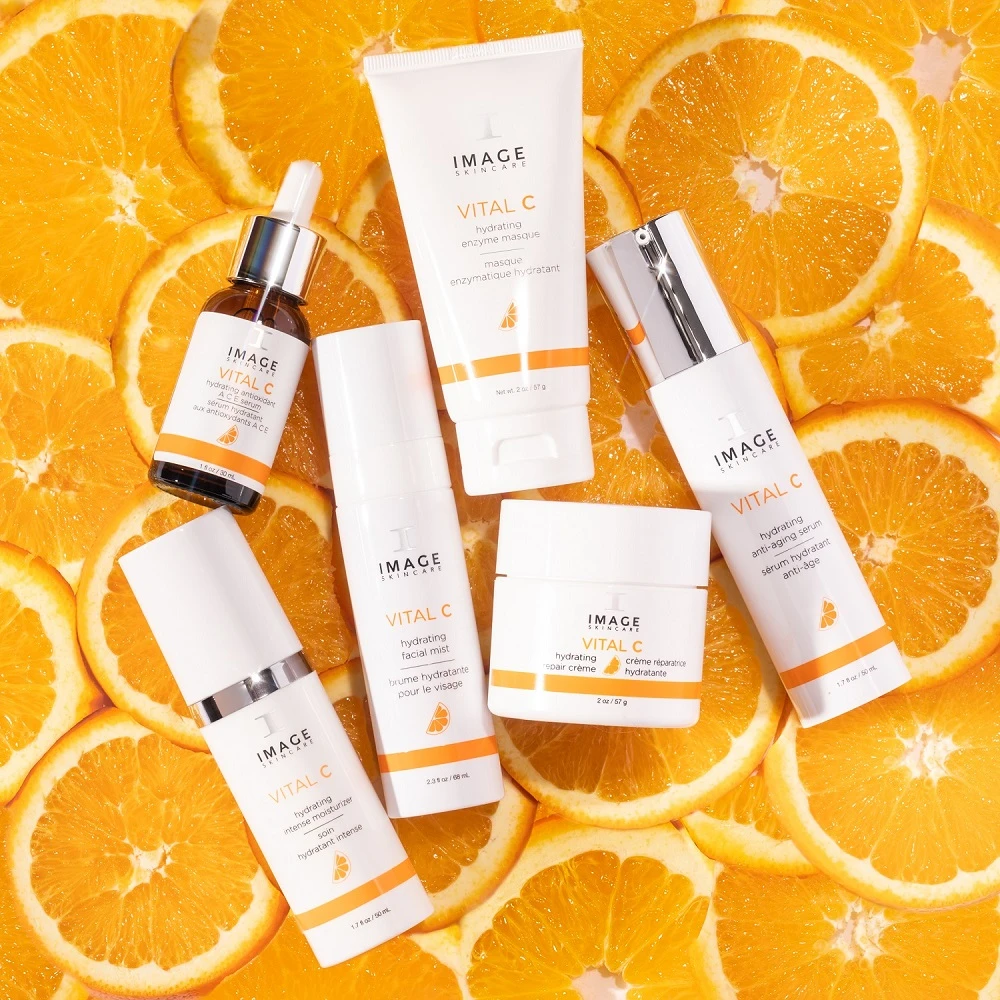
It is also commonly paired with other brightening ingredients like vitamin C or niacinamide, since combining gentle actives often produces better, more well-rounded results than relying on a single ingredient alone.
Is Kojic Acid Safe for Regular Use?
Generally, yes, though it is worth introducing gradually rather than jumping straight into daily use. Some people experience mild irritation when starting, so beginning with a lower concentration or less frequent application allows your skin to adjust before increasing usage.
Since kojic acid can occasionally cause sensitivity, especially in people with naturally reactive skin, patch testing before full application is a smart precaution, particularly if you are trying it for the first time.
Why Gentle Cleansing Matters When Using Kojic Acid
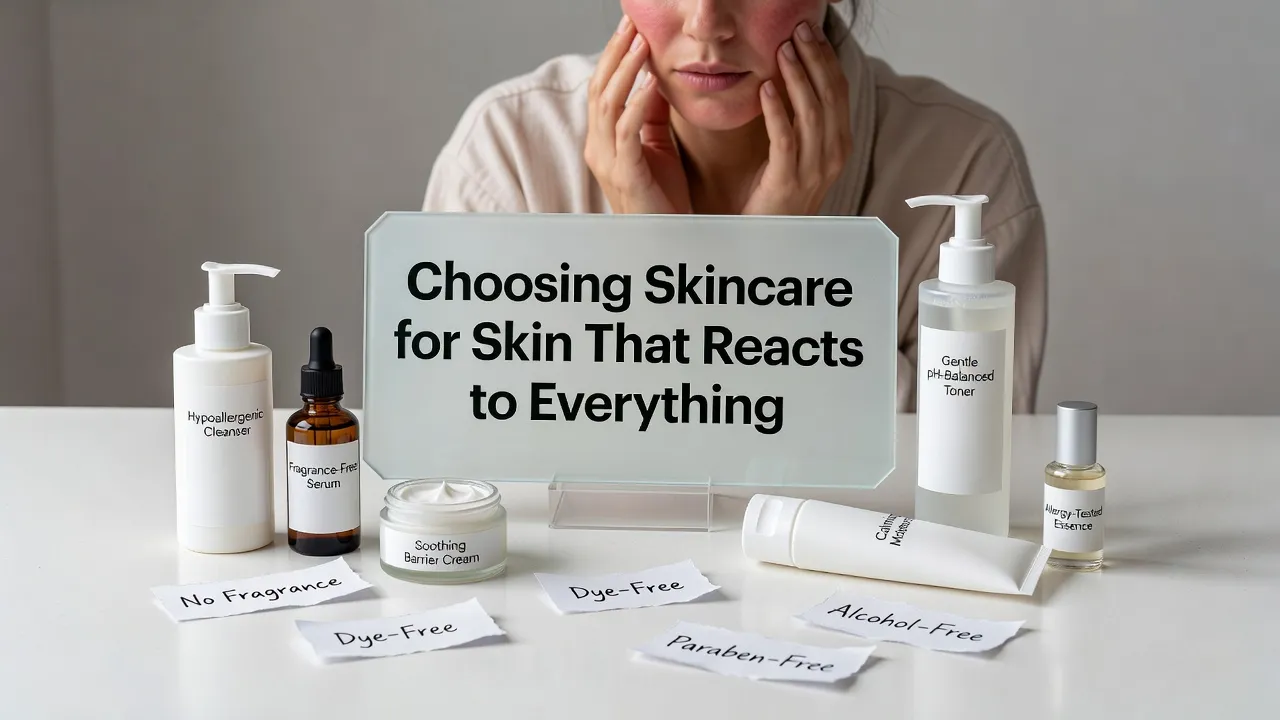
Since kojic acid works on your skin's pigmentation process, keeping your skin barrier strong and healthy during this treatment matters more than people often realise. A harsh, stripping cleanser can leave your skin more vulnerable to irritation, especially while it is adjusting to a new active ingredient.
This is where using a Gotu Kola cleanser for clear skin alongside your kojic acid treatment can genuinely help, since it cleanses gently while calming any potential irritation, allowing your skin to tolerate kojic acid more comfortably as it works on fading pigmentation.
Building a Routine Around Kojic Acid
A simple, supportive routine works best here. Start with a gentle cleanser, follow with your kojic acid treatment, whether it is a serum or a targeted product, and finish with a hydrating moisturiser to keep your skin barrier balanced throughout the process.
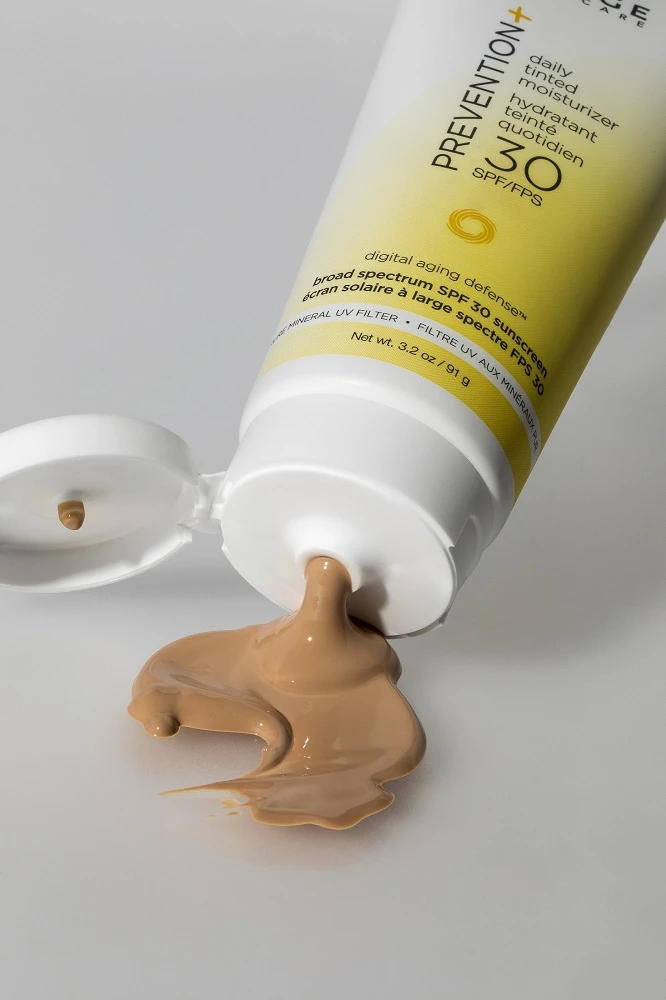
Sunscreen is essential when using kojic acid, since your skin becomes more sensitive to sun exposure during treatment, and unprotected sun exposure can actually worsen the very pigmentation you are trying to fade.
Setting Realistic Expectations
Kojic acid does not deliver overnight results. Most people notice gradual improvement in pigmentation over six to eight weeks of consistent use, with more significant changes becoming visible after a few months. Patience really matters here, since rushing the process by increasing concentration too quickly often leads to irritation rather than faster results.
Choosing Products That Support the Whole Process
Rather than relying on kojic acid alone, building a routine with reliable, gentle basics tends to give better overall results. Rose & Rabbit skincare essentials, focused on calming, barrier-supporting ingredients, work well alongside a kojic acid treatment, since keeping your skin barrier strong allows active ingredients like this to actually do their job without unnecessary irritation getting in the way.
Common Mistakes to Avoid
Using kojic acid alongside other strong actives, like retinol or high percentage exfoliating acids, without proper spacing can overwhelm your skin and increase the risk of irritation. Skipping sunscreen while using kojic acid is another common mistake that can undo whatever progress your skin has made in fading pigmentation.
Final Thoughts
Kojic acid offers a genuinely effective, if gradual, way to address stubborn pigmentation and uneven skin tone. Pairing it with gentle, supportive basics and consistent sun protection allows it to work properly without unnecessary irritation. With patience and the right routine around it, kojic acid can help bring your skin to a noticeably brighter, more even place over time.




























Sign in to leave a comment.