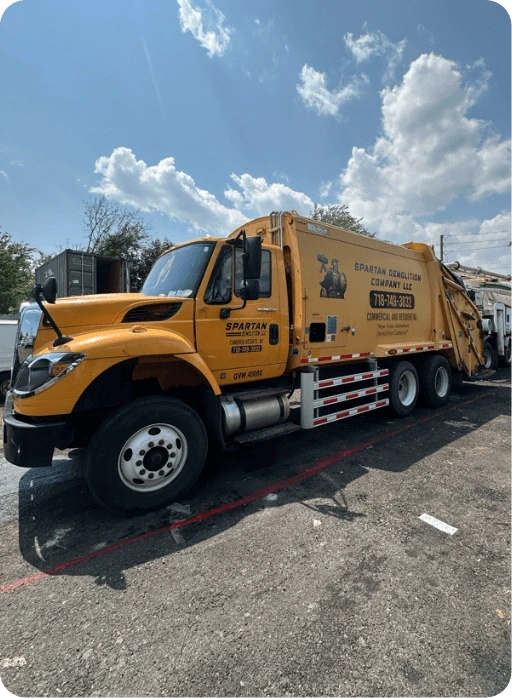

Renovating a property in New York City often begins with interior demolition. Removing walls, floors, ceilings, or fixtures can transform a space and prepare it for new construction. But before starting, many property owners wonder: do I need a permit for interior demolition in NYC? Understanding the rules and regulations is critical to avoid fines, project delays, or legal issues. Hiring licensed professionals like Spartan Demolition Company ensures that your interior demolition project complies with all city requirements and proceeds safely.
Interior demolition in NYC is more than just knocking down walls. It involves structural evaluation, safety planning, utility management, debris removal, and compliance with local building codes. Even small renovations can trigger permit requirements depending on the scope of work. This guide explains what you need to know about permits, legal compliance, and safe demolition practices in New York City.
Understanding Interior Demolition
Interior demolition refers to the process of removing non-structural and sometimes structural elements inside a building. It can include taking out walls, ceilings, flooring, cabinets, and fixtures to prepare for renovation or remodeling.
While interior demolition may seem straightforward, in NYC, it is governed by strict building codes. The New York City Department of Buildings (DOB) requires permits for work that affects structural integrity, utilities, or fire safety. Licensed contractors are trained to assess which parts of a project require approval and ensure all legal requirements are met.
When a Permit Is Required
Not all interior demolition projects require a permit, but many do. The need for a permit depends on factors like the size of the project, whether walls are load-bearing, and if utilities are being modified.
If the work involves removing load-bearing walls, altering electrical, plumbing, or gas systems, or affecting fire-rated assemblies, a permit is required. Even removing certain non-structural walls in multi-unit buildings may require DOB approval.
Licensed contractors like Spartan Demolition Company help property owners determine when a permit is necessary. They handle the paperwork, coordinate inspections, and ensure that all work meets NYC building codes.
The Role of Licensed Contractors in Permit Compliance
Hiring licensed Demolition Contractors in NYC is essential for navigating the permit process. Licensed professionals understand local codes, inspection requirements, and safety regulations. They can identify areas where permits are necessary and avoid mistakes that could lead to fines or project delays.
Licensed contractors also ensure that demolition is carried out safely. They plan work to prevent damage to structural elements, utilities, or neighboring properties. Their expertise minimizes risk and provides property owners with confidence that the project is fully compliant.
Safety Considerations
Even if a permit is not legally required, safety must always be a priority. Interior demolition involves risks such as falling debris, exposure to hazardous materials, and accidental damage to utilities.
Many older buildings in NYC contain asbestos, lead paint, or mold. Licensed contractors coordinate testing and removal of these hazardous materials before work begins. Spartan Demolition Company follows strict safety protocols to protect workers, residents, and the surrounding community.
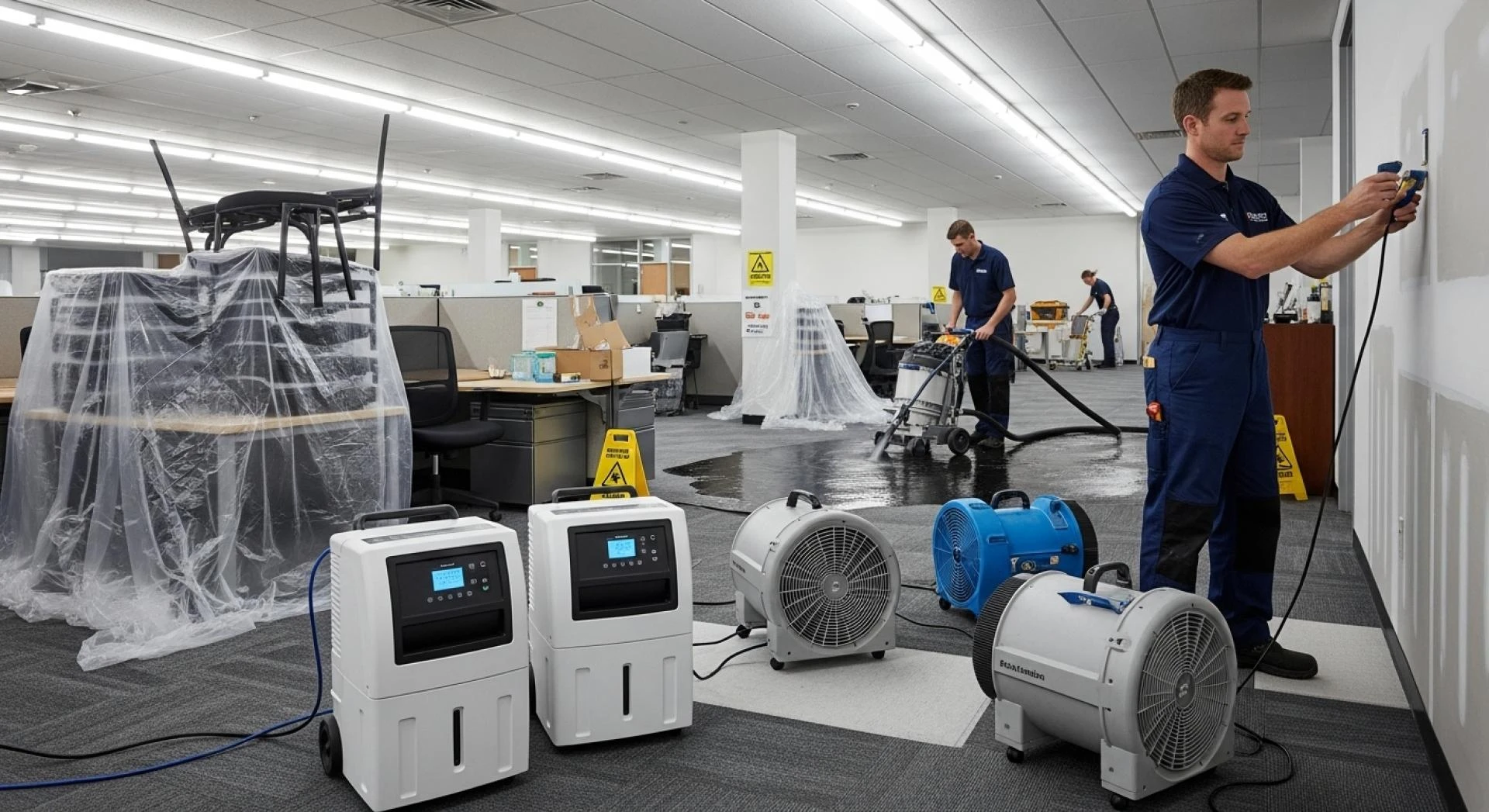
Safety planning also includes protecting floors, walls, and ceilings that are not being demolished. Proper containment prevents dust, noise, and debris from affecting other areas of the property.
Utility Management and Inspections
Interior demolition often requires disconnecting or relocating utilities, including water, gas, and electricity. Even minor mistakes can cause hazards or violate city codes.
Licensed demolition contractors coordinate with utility companies to safely manage these connections. They ensure proper shutdown procedures and obtain necessary inspections. This protects the property from accidents and ensures that future construction can proceed without issues.
Structural Assessment
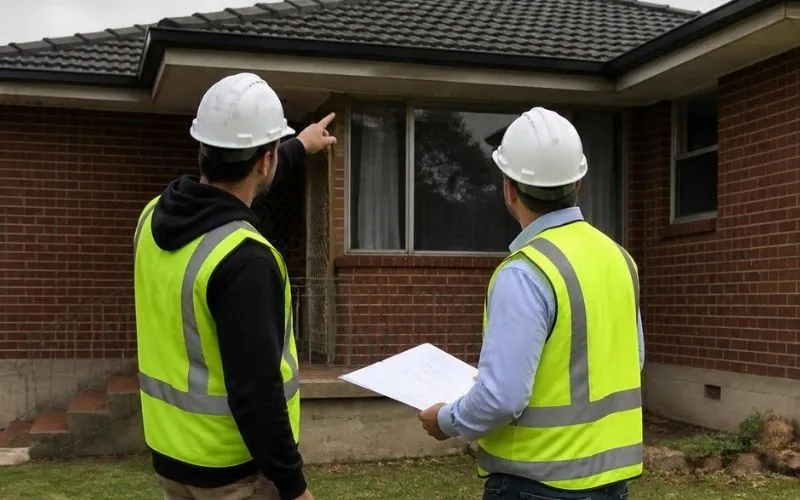
Removing walls, ceilings, or floors without assessing structural integrity can lead to serious problems. Licensed contractors conduct detailed evaluations to determine whether elements are load-bearing and what supports are required during demolition.
Even for non-structural interior demolition in NYC, understanding the building’s layout is essential. Contractors plan the work to prevent damage, maintain safety, and comply with DOB requirements.
Managing Hazardous Materials
Interior demolition can release harmful materials into the air if not properly handled. Older NYC properties often contain asbestos in flooring, ceiling tiles, or insulation, as well as lead paint and mold.
Licensed contractors arrange testing and certified removal when hazardous materials are detected. This is not only a safety requirement but also a legal obligation. Spartan Demolition Company follows city and federal regulations to ensure safe handling, containment, and disposal of all hazardous materials.
Debris Removal and Waste Management
Demolition produces a significant amount of debris, even in interior projects. Proper disposal is regulated by city rules. Licensed contractors sort and remove debris according to NYC guidelines, often recycling materials like metal, wood, and concrete.
Planning debris removal is part of pre-demolition preparation. It ensures that workspaces remain safe and that projects are not delayed due to clogged pathways or insufficient disposal arrangements.
Coordination with Renovation Plans
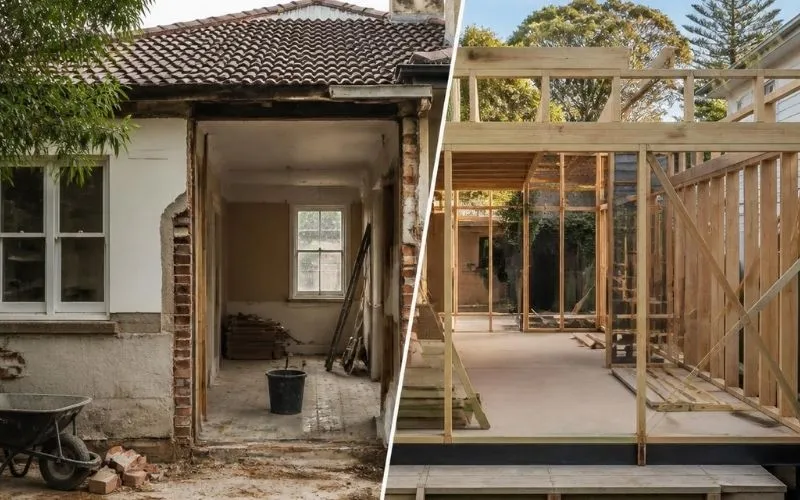
Interior demolition is the first step in any renovation project. Licensed contractors work closely with architects, designers, and construction teams to ensure demolition aligns with the renovation plan.
By securing necessary permits and preparing the property properly, demolition contractors minimize risks and prevent complications during subsequent construction. Spartan Demolition Company emphasizes precise execution to ensure that the site is ready for the next phase of work.
Risks of Skipping Permits
Some property owners consider skipping permits to save time or money. This approach can have serious consequences. Without proper permits, the DOB can issue stop-work orders, fines, or require the removal of completed work.
Unpermitted demolition can also create safety hazards. Structural damage, utility accidents, and exposure to hazardous materials are common problems when work is done without professional oversight.
Licensed demolition contractors reduce these risks by ensuring that all required permits and inspections are obtained before work begins.
Why Professional Expertise Matters
Interior demolition may appear simple, but it requires technical knowledge, experience, and proper equipment. Licensed contractors bring expertise in handling structural challenges, managing hazards, and complying with city codes.
Spartan Demolition Company combines industry knowledge with a focus on safety and efficiency. From permit acquisition to debris removal, professional demolition ensures a seamless process that protects property owners and workers alike.
Ensuring a Smooth Demolition Process
Preparation is the key to a successful interior demolition project. This includes securing permits, clearing the property, assessing structural elements, managing utilities, and handling hazardous materials. Licensed Demolition Contractors in NYC provide the guidance and technical support needed to navigate these complex requirements.
Spartan Demolition Company specializes in interior demolition, delivering professional services that prioritize safety, compliance, and efficiency. By working with licensed experts, property owners can focus on their renovation plans, knowing that demolition is handled correctly and legally.
























Sign in to leave a comment.