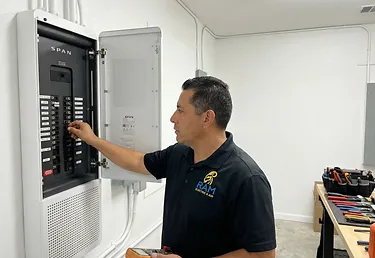

Buying an electric vehicle is the easy part, charging it at home is where things get complicated fast. A lot of homeowners assume they can just plug in and go, then find out their garage outlet wasn't built for that draw. EV charger installation Laredo TX projects often turn into bigger jobs than expected once an electrician looks at the panel.
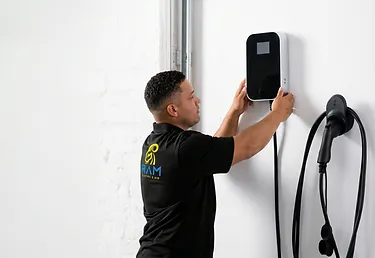
Why EV Chargers Need Power
Level 2 chargers pull significantly more power than a standard outlet was ever designed to handle safely at all. That extra draw runs through your home's electrical panel, and older panels sometimes just can't spare the capacity needed. Running a charger off an undersized panel risk tripped breakers, overheating, or worse, a fire hazard in the garage. Understanding this upfront helps homeowners avoid a surprise mid-project when the electrician says the panel needs work before anything else can move forward.
Signs Your Panel Is Outdated
Homes built before the 1990s often have panels rated for far less power than modern households actually use today. Warning signs include breakers that trip often, warm outlets, or a panel that's already packed with double-tapped circuits everywhere. Flickering lights when big appliances kick on is another clue something's maxed out. If your panel is older than twenty years or under 100 amps, chances are good it needs a look before adding any high-draw equipment like a charger.
Level 2 Charger Requirements
Most Level 2 chargers need a dedicated 240-volt circuit, which is different from the standard household outlet entirely on the wall. That circuit alone draws real amperage, often between thirty and fifty amps depending on the charger model chosen. If your panel is already near capacity from AC units, appliances, and general household load, adding that circuit safely usually calls for an electrical panel upgrade Laredo TX homeowners end up scheduling before the charger install even begins its work.
Panel Capacity and Amperage
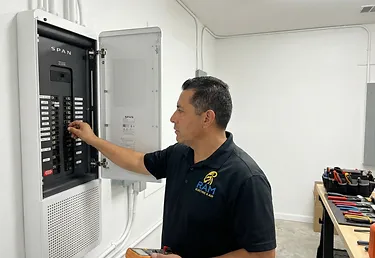
Panel capacity gets measured in amps, and most older homes sit somewhere around 100 amps, while newer construction often runs closer to 200. Adding a charger, especially alongside other modern demands like AC units, can push an aging panel past its safe limit fast. Upgrading typically means swapping in a larger panel and updating the wiring feeding it from the meter. It's not a small job, but it sets the home up for future additions without repeating this process.
Permits and Inspection Process
Electrical work involving panel changes requires permits and inspections in most jurisdictions, Laredo included, without any exception here at all. A licensed electrician handles the paperwork and schedules inspections at the right stages of the project. Skipping this step might seem like a shortcut, but it creates real problems later, especially when selling the home or filing an insurance claim. Proper permitting also ensures the work meets current code, which matters more than people realize until something actually goes wrong.
Cost of Doing It Right
Costs vary depending on whether you need just a new circuit or a full panel replacement for the whole home. A simple circuit addition runs cheaper, while a full panel swap costs considerably more given the labor and materials involved. Getting quotes from a couple of licensed electricians helps you compare pricing and scope before committing to anything. Cutting corners here to save money upfront often costs more later when problems surface from work that wasn't done to code.
Conclusion
Charging an EV at home sounds simple until the panel tells a different story entirely. Getting an electrician to check capacity first saves headaches, delays, and unexpected costs down the line for you and your household. A quick inspection now beats a rushed fix later, especially during a busy install week. ramelectricandair.com handles both charger installs and panel upgrades throughout Laredo and Webb County.
Blog Source URL :- https://ramelectricandair.blogspot.com/2026/08/do-you-need-ev-charger-installation.html





















Sign in to leave a comment.