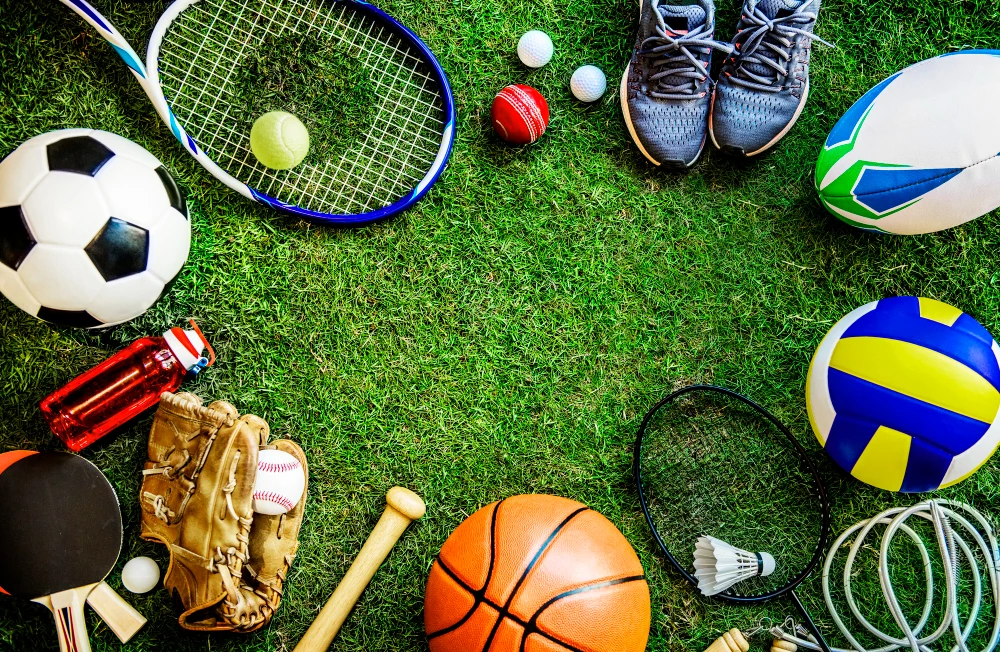
Whether you’re a casual weekend player, a dedicated athlete, or someone who simply enjoys staying active, sports equipment often represents a significant investment. From high-performance bicycles and golf clubs to gym gear and protective equipment, the cost can quickly add up. But one question many people overlook is this: do you really need insurance for your sports equipment?
At first glance, it may seem unnecessary. After all, many people assume their gear is safe at home or that damage is unlikely. However, the reality is quite different. Accidents, theft, and unexpected events can happen at any time, often when you least expect them. Understanding the risks—and how to protect yourself—can help you make a smarter decision.
The True Value of Your Equipment
Sports gear is not just about functionality; it’s also about performance and passion. Athletes often invest in high-quality equipment to improve their game, enhance safety, and enjoy a better overall experience.
Consider the cost of:
- A professional-grade bicycle
- Golf clubs or tennis rackets
- Home gym equipment
- Protective gear like helmets and pads
Replacing even one of these items can be expensive. When you add everything together, the total value of your equipment might be much higher than you realize. This is where sports equipment insurance becomes an important consideration.
Common Risks You Might Not Expect
Many people assume that damage or loss is rare, but sports equipment is exposed to a wide range of risks. Some of the most common include:
Theft
Sports gear is often portable and valuable, making it an easy target for theft. Items left in cars, locker rooms, or public spaces are especially vulnerable.
Accidental Damage
Equipment can be damaged during use, transport, or storage. A dropped bike, cracked racket, or malfunctioning machine can lead to costly repairs or replacements.
Weather and Environmental Damage
Outdoor equipment is particularly susceptible to weather conditions. Rain, heat, or humidity can cause wear and tear over time.
Travel Risks
If you travel for competitions or recreational activities, your equipment faces additional risks such as loss, mishandling, or damage during transit.
These risks highlight why relying solely on luck or careful handling may not be enough to protect your investment.
Does Home Insurance Cover Sports Equipment?
A common misconception is that homeowner’s or renter’s insurance will fully cover sports equipment. While these policies may offer some level of protection, they often come with limitations.
For example:
- Coverage may only apply to items kept at home
- There may be strict limits on high-value equipment
- Claims could affect your overall insurance premiums
- Certain types of damage or loss may be excluded
Because of these limitations, many people find that their existing policies do not provide adequate protection. This is where sports equipment insurance can fill the gap with more specialized coverage.
Who Needs Equipment Insurance the Most?
While anyone with valuable gear can benefit from coverage, certain groups are more likely to need it:
Serious Athletes
If you rely on high-end equipment for performance, protecting it becomes essential. Even minor damage can impact your results.
Outdoor Enthusiasts
Cyclists, hikers, and adventure sports participants often use expensive gear in unpredictable environments.
Fitness Professionals
Trainers and coaches who use equipment for their business face both financial and professional risks if something goes wrong.
Frequent Travelers
If you regularly transport your equipment, the chances of loss or damage increase significantly.
For these individuals, having sports equipment insurance is less of a luxury and more of a necessity.
The Cost vs. Risk Debate
One of the main reasons people hesitate to get insurance is cost. However, it’s important to weigh this against the potential financial impact of replacing your equipment.
For example:
- Replacing a high-end bicycle could cost thousands
- Repairing damaged gym equipment can be expensive
- Losing specialized gear may disrupt your training or business
In comparison, insurance premiums are often relatively affordable. When viewed as a form of financial protection, the cost becomes much easier to justify.
Benefits Beyond Financial Protection
Insurance doesn’t just cover replacement costs—it also provides peace of mind. Knowing that your equipment is protected allows you to focus on your performance and enjoyment without constant worry.
Additional benefits may include:
- Coverage for a wide range of risks
- Faster replacement or repair processes
- Protection during travel
- Customizable policies based on your needs
This added security can make a significant difference, especially for those who depend on their equipment regularly.
When You Might Not Need It
While insurance is beneficial in many cases, it’s not always necessary for everyone. You might not need dedicated coverage if:
- Your equipment is low in value
- You rarely use or transport your gear
- Your existing insurance policy provides sufficient coverage
- You’re comfortable handling replacement costs out of pocket
In these situations, the risk may be low enough that insurance isn’t a priority. However, it’s still important to evaluate your specific circumstances carefully.
Tips for Protecting Your Equipment
Whether or not you choose to get insurance, taking steps to protect your gear is always a good idea:
- Store equipment in secure, dry locations
- Use locks for items like bicycles
- Avoid leaving gear unattended in public places
- Regularly inspect and maintain your equipment
- Keep receipts and records of purchases
These practices can reduce the likelihood of damage or loss and may also support insurance claims if needed.
Final Thoughts
So, do you really need insurance for your sports equipment? The answer depends on how much you value your gear, how often you use it, and the level of risk you’re exposed to.
For many athletes and enthusiasts, the combination of high costs and unpredictable risks makes insurance a smart investment. It provides financial protection, peace of mind, and the confidence to fully enjoy your sport without unnecessary stress.
On the other hand, if your equipment is inexpensive or rarely used, you may decide that the risk is manageable without additional coverage.
Ultimately, the decision comes down to balancing cost, risk, and personal priorities. By understanding the potential challenges and evaluating your needs, you can make an informed choice that best supports your lifestyle and goals.


















Sign in to leave a comment.