
Modern engines are built to balance power and efficiency, but that balance does not always satisfy performance enthusiasts. One feature that often sparks debate is Displacement on Demand (DOD), also called Active Fuel Management (AFM). While it helps save fuel, it can create long-term issues. That’s where DOD delete tunes come into play, offering a different path for drivers who want consistency and durability.
Let’s explore how this tuning approach can reshape both performance and engine life.
What Is DOD and Why Does It Exist?
DOD technology allows an engine to shut down some of its cylinders during light driving conditions. For example, a V8 engine may run as a V4 when cruising on the highway. This reduces fuel consumption and emissions.
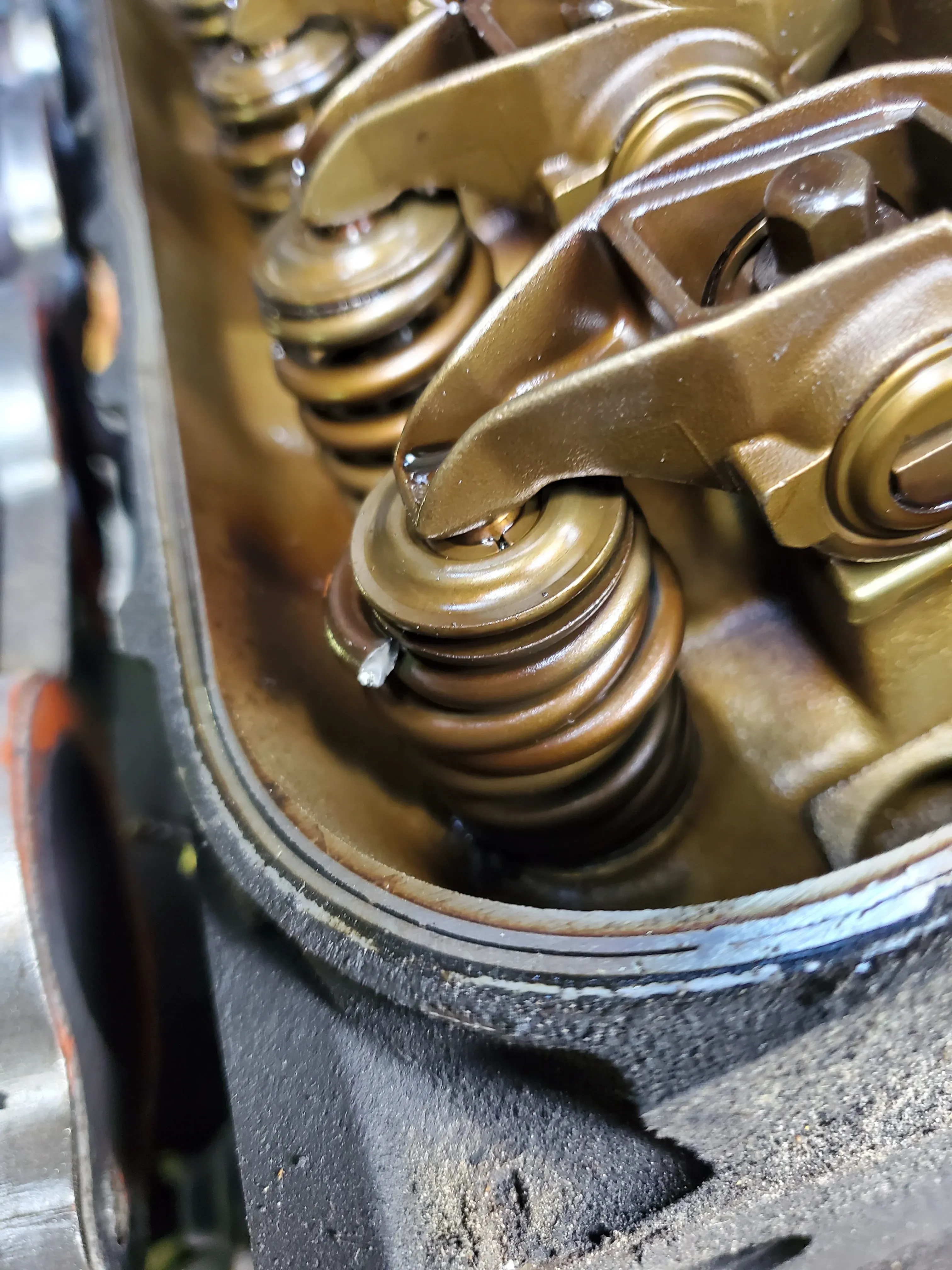
On paper, it sounds perfect. In real-world driving, though, the constant switching between cylinder modes can lead to uneven wear. Lifters, valves, and other internal parts may experience added stress over time.
Some drivers barely notice it. Others feel hesitation, vibration, or delayed throttle response. That’s when people start looking into solutions like DOD delete tunes to simplify engine behavior.
The Core Idea Behind DoD Delete Tunes
A DOD delete tune disables the system electronically. Instead of switching between modes, the engine runs on all cylinders all the time. This builds a more stable operation.
Unlike mechanical delete kits, tuning focuses on software adjustments. It tells the engine control unit (ECU) to ignore DOD functions while optimizing fuel, spark, and airflow settings.
Interestingly, this approach often aligns with broader performance strategies such as LSX power tuning, where consistency and control matter more than factory compromises.
Improved Engine Performance
One of the first things drivers notice after applying DOD delete tunes is smoother power delivery. Without cylinder deactivation, the engine responds more predictably.
1. Better Throttle Response
The delay caused by switching between modes disappears. Press the pedal, and the engine reacts instantly. This makes driving feel more connected and enjoyable.
2. Consistent Power Output
Instead of fluctuating between reduced and full power, the engine maintains a steady output. This is especially helpful during overtaking or climbing steep roads.
3. Enhanced Driving Feel
There’s a subtle but noticeable refinement in how the vehicle behaves. No sudden transitions, no awkward vibrations, just a clean, steady performance.
These benefits become even more noticeable when combined with LSX power tuning, which further refines how the engine delivers power across different RPM ranges.
Reduced Wear and Tear on Components
Performance is only part of the story. Longevity is where this tuning method truly shines.
DOD systems rely on specialized lifters that activate and deactivate cylinders. These parts are known to fail over time, especially under inconsistent conditions.
By removing the switching process, DOD delete tunes help reduce stress on:
- Lifters and camshaft components
- Valve train systems
- Oil flow pathways
With fewer moving parts constantly adjusting, the engine experiences less internal strain. That translates to fewer breakdowns and lower repair costs over time.
Better Oil Management and Engine Health
DOD engines often face oil-related challenges. When cylinders deactivate, oil distribution can become uneven. Over time, this may lead to buildup, increased consumption, or even fouled spark plugs.
Disabling the system keeps oil flow more consistent throughout the engine. This supports cleaner operation and reduces the chances of sludge forming in critical areas.
Drivers who combine this setup with LSX power tuning strategies often see improved engine efficiency without sacrificing reliability.
Fuel Economy: A Trade-Off Worth Considering
Let’s be honest, there is a trade-off. Without DOD, the engine uses all cylinders all the time, which can slightly reduce fuel efficiency.
However, the difference is not always dramatic. In many cases, smoother operation and better tuning can offset some of the loss. Plus, fewer mechanical issues can save money in the long run.
For drivers focused on performance and durability, this trade-off feels reasonable. After all, reliability often matters more than squeezing out a few extra miles per gallon.
Compatibility with Performance Upgrades
Another advantage of DOD delete tunes is how well they work with other modifications. Whether it’s upgrading the exhaust, intake, or camshaft, a stable engine setup makes tuning easier.
Performance enthusiasts often pair this with LSX power tuning to unlock higher horsepower gains. The combination allows for precise control over fuel maps and ignition timing, creating a more responsive and powerful engine.
It’s not just about going faster; it’s about building an engine that performs consistently under different conditions.
Is DOD Delete Tune the Right Choice for Every Driver?
Not necessarily. Some drivers are perfectly happy with factory settings and prioritize fuel savings above all else. Others want a more engaging and reliable driving experience.
If the goal is long-term durability, smoother performance, and fewer mechanical headaches, then DOD delete tunes make a strong case.
Still, it’s important to work with experienced tuners and use quality software. A poorly executed tune can cause more harm than good.
Final Thoughts
Technology like DOD was designed with good intentions, but it doesn’t suit every driving style. By simplifying how the engine operates, DOD delete tune offer a practical solution for those seeking consistency and longevity.
From improved throttle response to reduced component wear, the benefits go beyond just performance. When paired with thoughtful upgrades and smart tuning practices, the results can be impressive.
In the end, it’s about choosing what matters most: maximum efficiency or a smoother, more dependable engine experience.


























Sign in to leave a comment.