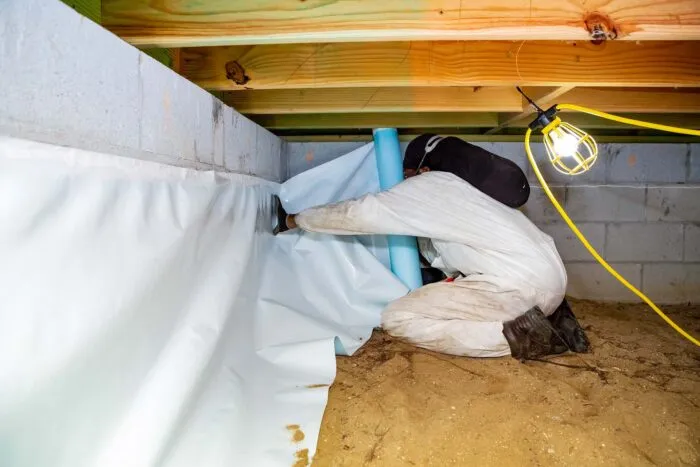
Yes, crawl space encapsulation adds significant value to a home by increasing its market appeal, improving structural integrity, and reducing monthly energy costs. Most real estate professionals agree that the question "Does crawl space encapsulation add value to a home?" is answered with a clear yes, as it typically offers a high return on investment during a sale.
This guide provides a comprehensive look at how sealing your home's foundation impacts its long-term worth and daily performance. With years of experience in regional building science, experts know that protecting the area beneath your feet is just as important as maintaining your roof.
How Sealing Your Foundation Impacts Market Price
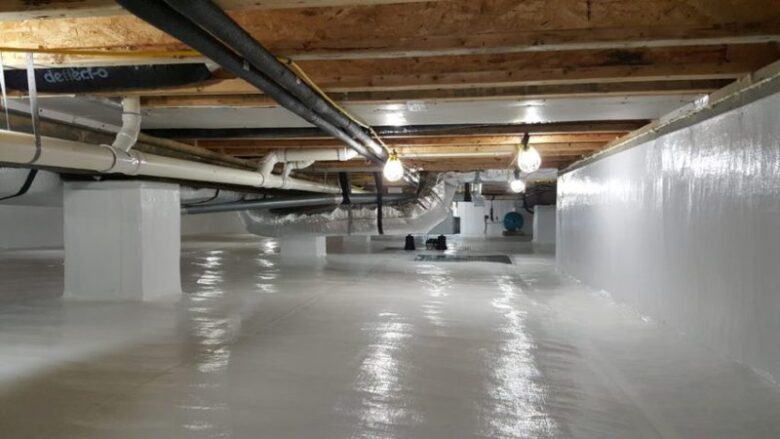
When a buyer looks at a property in Georgia, they often worry about humidity and foundation issues. A sealed crawl space removes these concerns by creating a dry, clean environment that looks well-maintained.
- Home inspectors often flag high moisture levels in open crawl spaces.
- Encapsulation prevents these red flags from appearing on inspection reports.
- Buyers are often willing to pay a premium for a home that requires less immediate maintenance.
Real estate data suggest that encapsulation increases home values by 5% to 10% in some markets. This is because the system protects the home from wood rot and sagging floors.
Is Crawl Space Encapsulation Worth It for Every Homeowner?
Whether crawl space encapsulation is worth it depends on your local climate and how long you plan to stay in the home. In the humid Southeast, the benefits are almost immediate because of the constant moisture pressure.
Consistent Indoor Comfort and Climate Control
You will notice a more consistent temperature on your first floor. Your HVAC system will not have to work as hard to combat humid air, which significantly extends the life of your equipment.
Structural Preservation and Floor Stability
The risk of floorboards cupping or warping decreases significantly when the area below is dry. This preserves the aesthetic and structural value of hardwood flooring throughout the main level.
Bonus Tip: Check your indoor humidity levels before and after the process. A drop of 20% or more in humidity is common, which directly translates to less wear on your cooling system.
Understanding Financial Incentives and Tax Breaks
Many homeowners ask whether crawl space encapsulation is tax-deductible when planning their budget. While it is not a direct deduction like a business expense, it may fall under certain energy-efficiency categories.
- State and federal programs often provide incentives for air sealing and insulation.
- Some local utility companies offer rebates for homeowners who improve their building envelope.
- The primary financial gains come from reduced energy bills and increased equity.
You should also check if crawl space encapsulation qualifies for a tax credit under the current federal energy acts. Certain components of the project, such as high-efficiency dehumidifiers or specific insulation types, often meet the criteria for these credits.
Comparing Open and Encapsulated Crawl Spaces
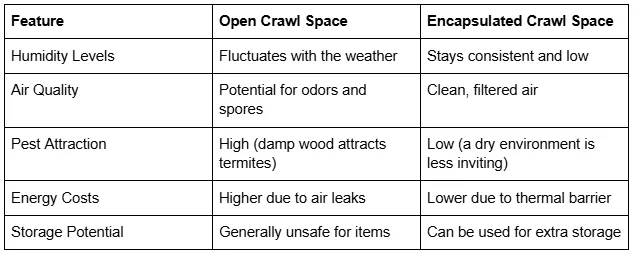
Does Encapsulation Help With Mold and Air Quality?
One of the biggest reasons for choosing encapsulation for mold prevention is the direct link between your crawl space and your living room. About 50% of the air you breathe on the first floor originates in the crawl space.
- Sealing the area blocks the "stack effect" that pulls damp air upward.
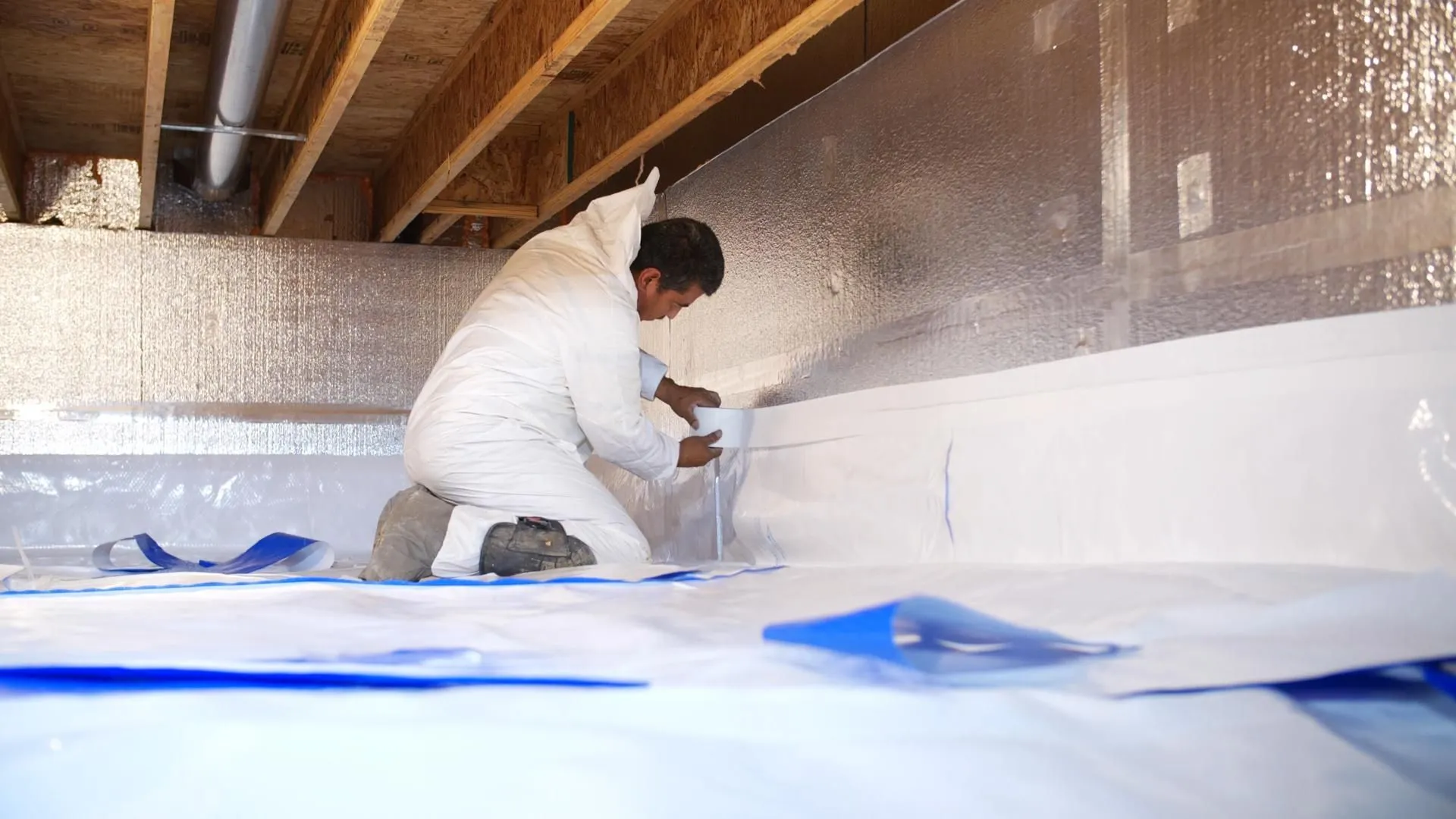
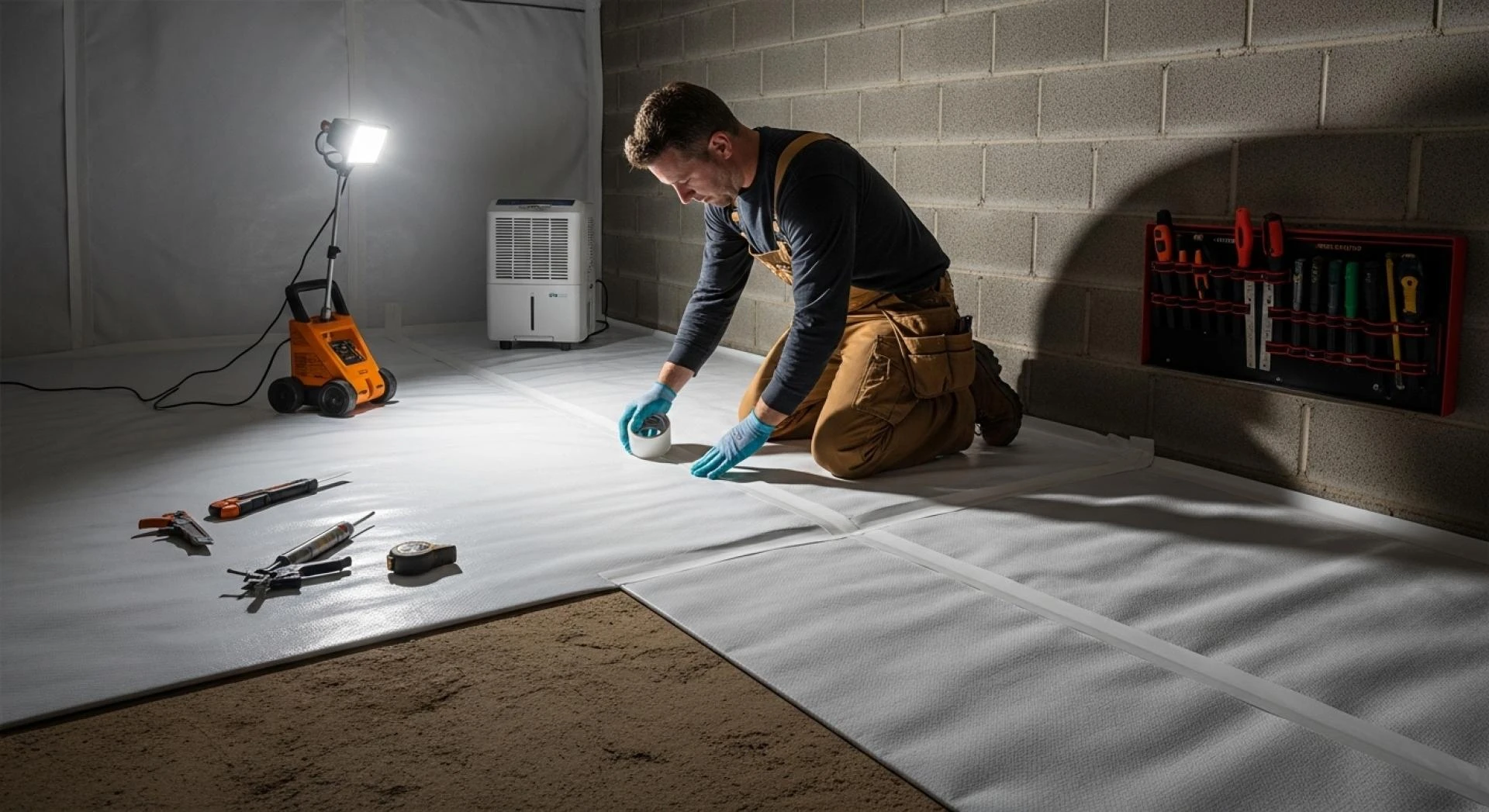
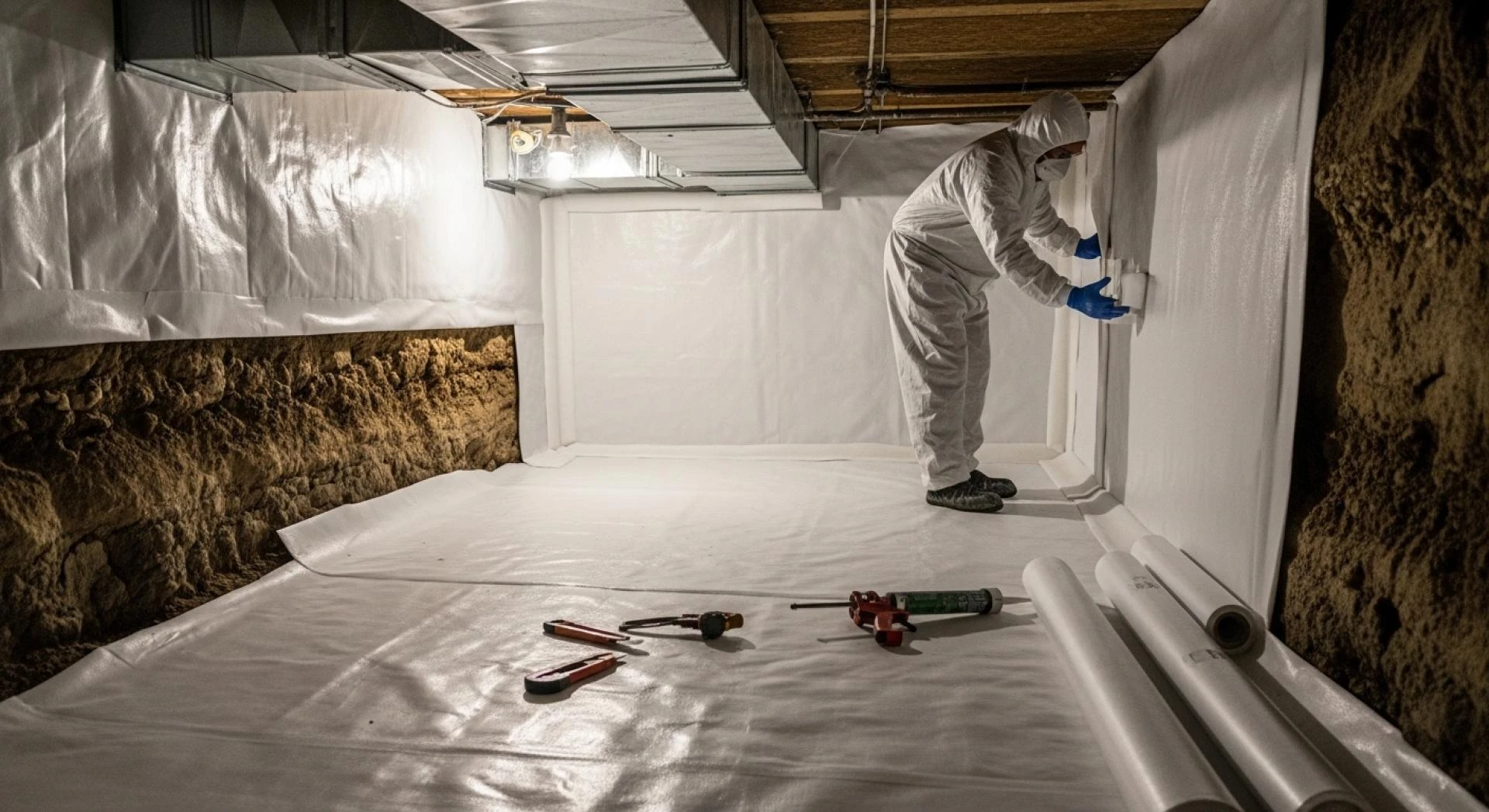
- A heavy vapor barrier prevents moisture from evaporating from the soil.
- Dehumidifiers keep the air at a level where organic growth cannot survive.
Health-conscious buyers prioritize homes with these systems to avoid respiratory issues. Keeping the foundation dry ensures that the structural wood remains strong for the life of the building.
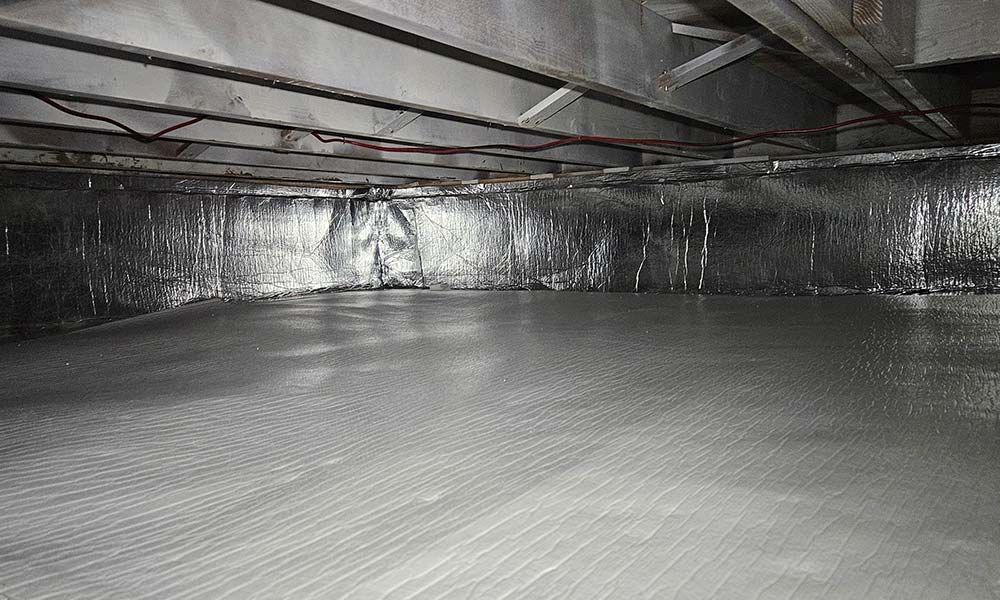
Why Encapsulate Crawl Space Areas in Humid Climates?
The question of why encapsulate crawl space areas often comes down to the local dew point. In Georgia, the air is frequently saturated with water, which condenses on cool floor joists.
Preventing Surface Condensation and Wood Rot
Summer humidity can cause pipes and wood to "sweat". This condensation creates a breeding ground for wood-destroying organisms that can compromise the safety of your foundation.
Eliminating Entry Points for Pests
Encapsulation removes the source of the moisture by sealing out the humid exterior air. A dry environment is much less attractive to termites, cockroaches, and rodents that seek damp environments.
Bonus Tip: Ensure your drainage system is working properly outside before you seal the inside. Gutters and downspouts should always move water away from the foundation to prevent hydrostatic pressure.
Things to Evaluate Before Starting Your Project
Before you decide whether crawl space encapsulation adds value to a home, you should look at the current state of your foundation. Not every crawl space needs the same level of treatment.
- Check for existing standing water or drainage issues.
- Assess the condition of your current insulation (is it hanging or moldy?).
- Look for signs of pests or wood rot that need treatment first.
- Determine if you have enough clearance for installers to work effectively.
By addressing these factors first, you ensure that the encapsulation system performs at its peak. A well-planned project is more likely to provide the full financial return you expect.
Improving Energy Performance and Comfort
Sealing your crawl space acts like a thermal break for your house. When you eliminate the drafty vents, your floors stay warmer in the winter, and your home stays cooler in the summer.
- Air sealing stops conditioned air from escaping through the floor.
- Insulated walls in the crawl space keep the ground temperature from affecting your home.
- Lower humidity makes 75 degrees feel much cooler than it does in a damp house.
Because crawl space encapsulation adds value to a home through these daily savings, many people find the system pays for itself in just a few years. It is an investment in both the structure and your monthly budget.
Getting Professional Assistance for Your Foundation Protection Needs
If you are concerned about moisture under your home, contacting a professional like Premier Insulation can help you determine the best path forward. They offer comprehensive services, including Crawl Space Encapsulation and Dehumidifier Installation, to ensure your home stays dry and efficient. You can reach them at (229) 554-3939 or via email at [email protected] for a free quote on your project. Whether you need Crawl Space Mold Remediation or new Residential Insulation, their team has the expertise to improve your property value. They are located in Georgia and serve a wide range of residential and commercial clients looking to protect their investments.
Summary of Key Value Factors
Protecting your home from the ground up is one of the smartest moves a property owner can make. By sealing out moisture, you are effectively preserving the skeleton of your house. This process ensures that when it comes time to sell, your home stands out as a high-quality, efficient, and healthy place to live. Always weigh the costs against the long-term gains in energy savings and structural preservation.
Common Questions About Foundation Sealing
How long does a typical encapsulation system last?
Most high-quality vapor barriers are designed to last 20 years or more if they are not physically damaged. The dehumidifier will usually need standard maintenance every year and replacement every 10 to 15 years.
Will encapsulation make my floors feel different?
Yes, many homeowners report that their floors feel more solid and less cold during the winter months. This is because the air directly beneath the floorboards is no longer the same temperature as the outdoors.
Does the process require me to leave my home?
No, most installations are completed entirely from the exterior or through the crawl space access door. There is generally no need for you to vacate the property while the work is being done.
Can I still access my crawl space after it is sealed?
Absolutely. The system includes a sealed access door, and the barrier is durable enough to crawl on. This makes it easier for plumbers or electricians to work under the house since the environment is clean and dry.
Is a dehumidifier always necessary with encapsulation?
In most cases, yes. While the barrier stops most moisture, a dehumidifier is the only way to manage the humidity that remains in the air and prevents it from reaching levels where mold can grow.























Sign in to leave a comment.