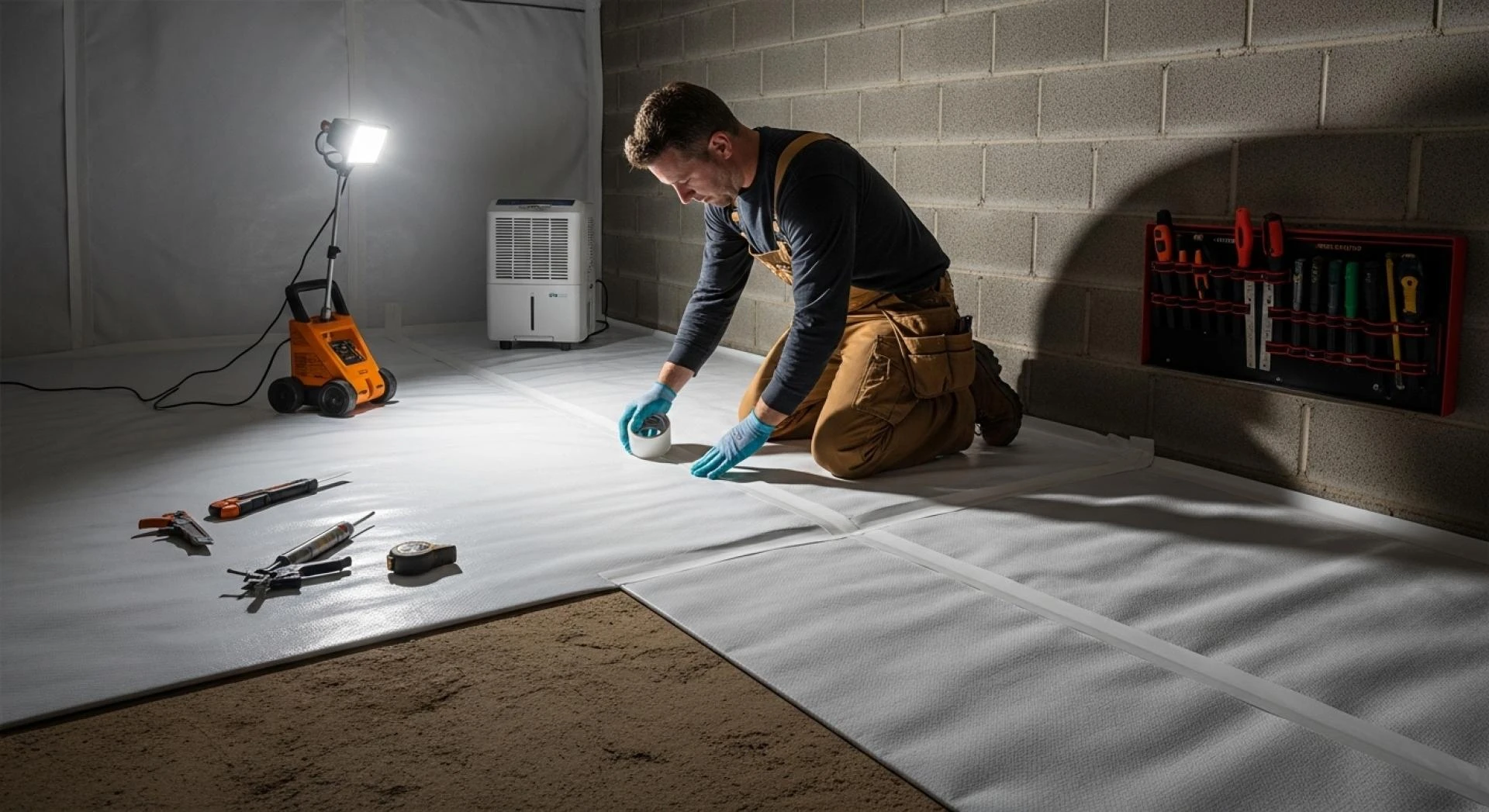
Crawl Space Encapsulation solves moisture buildup, mold growth, pest entry, and uneven indoor temperatures. By sealing the crawl space with a vapor barrier, air sealing gaps, and controlling humidity, professionals turn a damp, vented area into a dry and stable part of the home.
Many homes suffer from hidden crawl space issues that affect air quality and energy use. Nearly 50 percent of the air on the first floor can come from the crawl space. When that space is damp or dirty, the living area above feels it. This article explains the most common problems solved by Crawl Space Encapsulation services and what property owners should know before moving forward. The guidance reflects field experience from trained Crawl Space Encapsulation experts.
Moisture And Standing Water Problems
Moisture is the top reason homeowners choose encapsulation. Open crawl spaces allow outside humidity to enter through vents and soil.
Over time, this leads to condensation on wood beams, insulation, and ductwork. In humid regions like the Southeast, this issue is common for much of the year.
Ground Moisture Seepage
Soil releases moisture daily. Without a vapor barrier, that moisture rises into the crawl space.
Signs Of Excess Moisture
- Damp or sagging insulation under floors
- Rust on metal supports or HVAC ducts
- Visible water pooling after heavy rain
- Musty odors inside the home
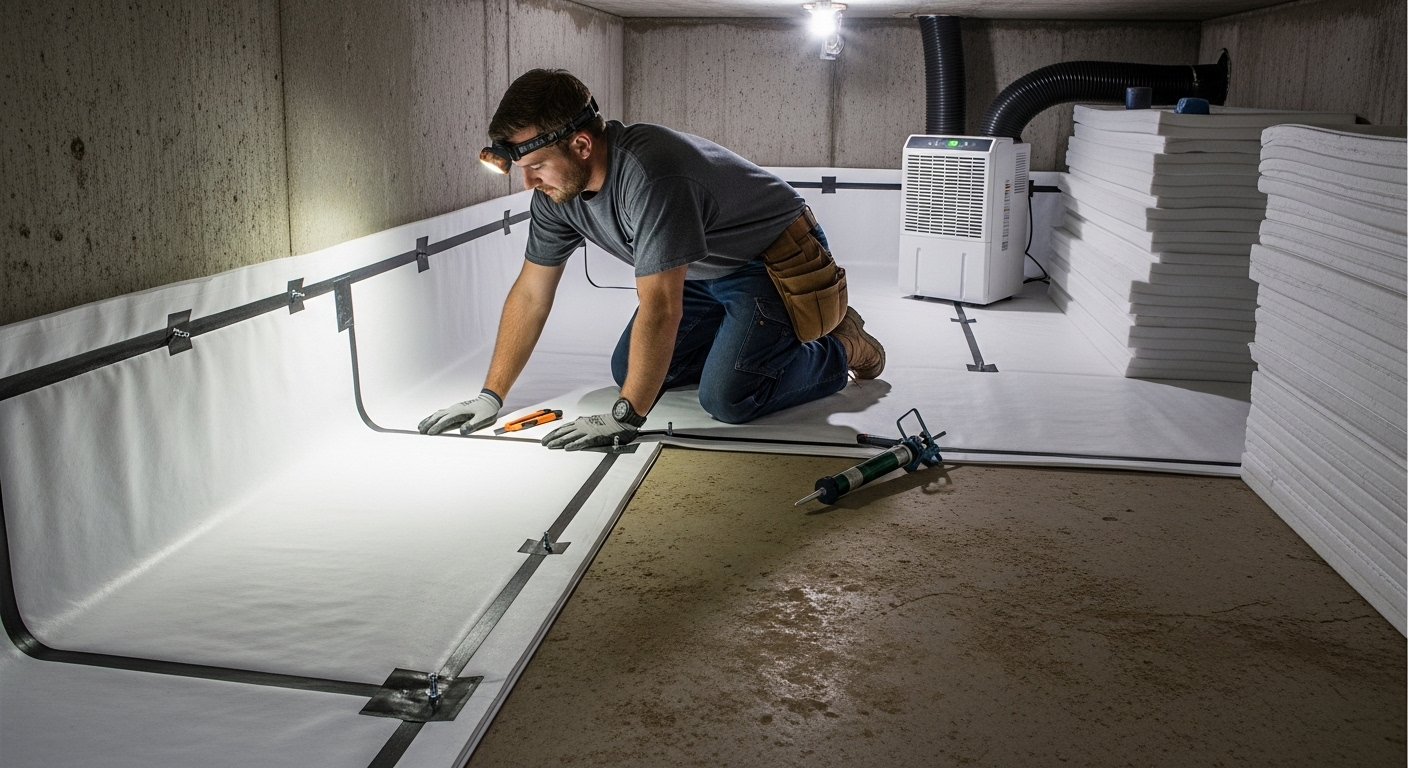
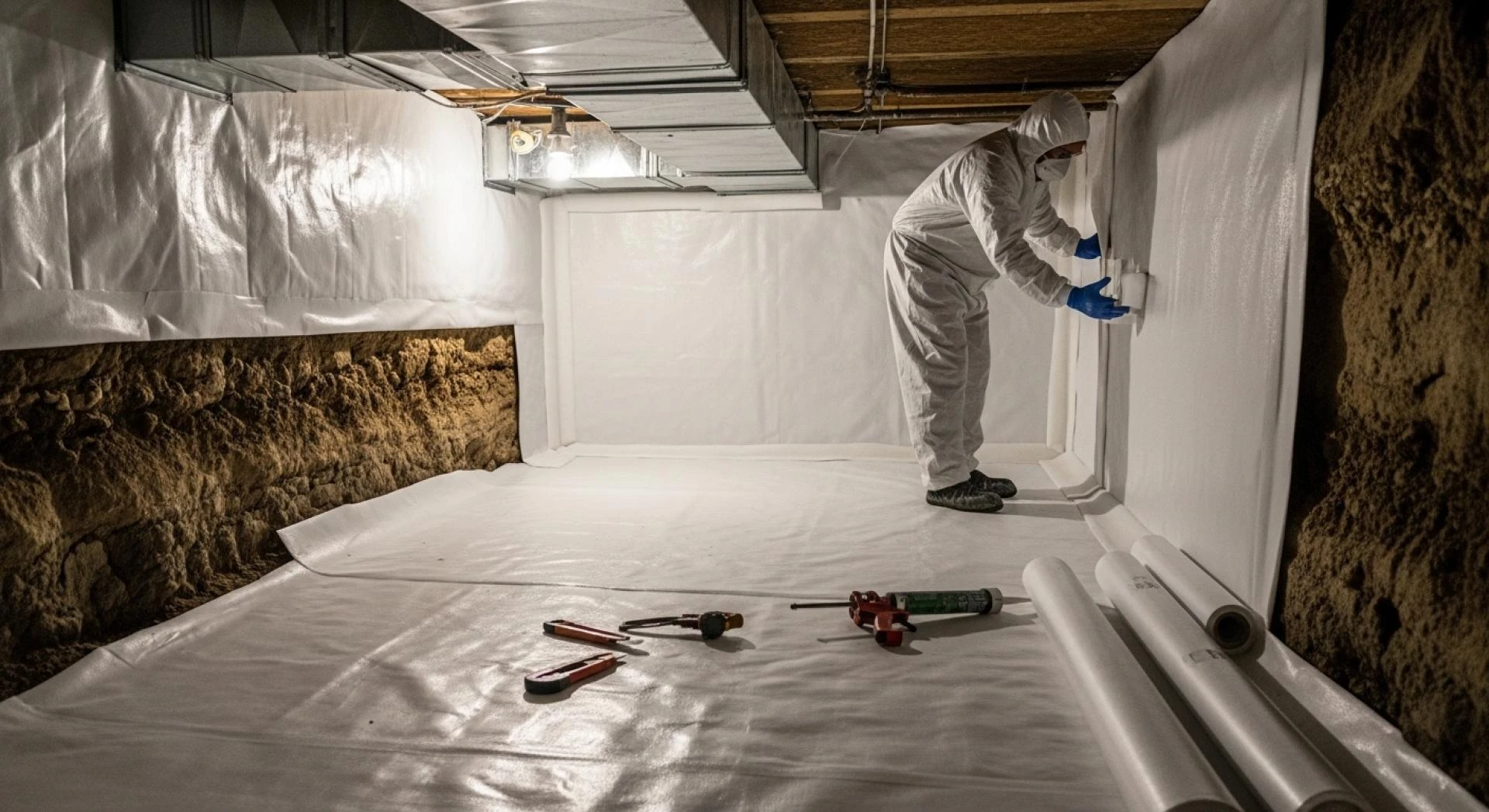
Encapsulation blocks ground moisture with a thick liner. Crawl Space Encapsulation services also seal vents and add dehumidifiers when needed.
Mold And Wood Rot
When moisture stays trapped, mold follows. Mold can grow within 24 to 48 hours in damp conditions.
Wood rot is another concern. Floor joists and support beams weaken when exposed to long term moisture.
Air Quality Impact
Mold spores travel upward into living areas. This can cause allergy symptoms and musty smells.
Professional Crawl Space Encapsulation experts remove contaminated insulation and dry the area before sealing it.
Structural Risk
If wood rot spreads, repairs become costly. Encapsulation stops the moisture source and protects framing.
High Energy Bills And Uneven Temperatures
Open crawl spaces allow outside air to move freely under the home. In summer, hot humid air rises into the floors. In winter, cold air cools plumbing and ducts.
The US Department of Energy estimates that air leaks can waste up to 30 percent of heating and cooling energy. Encapsulation reduces this loss.
How Encapsulation Improves Efficiency
- Seals air leaks at vents and rim joists
- Protects ductwork from extreme temperatures
- Stabilizes indoor humidity levels
- Reduces strain on HVAC systems
Homes with sealed crawl spaces often report more even floor temperatures and lower monthly utility costs.
Pest And Rodent Entry
Open vents make crawl spaces easy targets for pests. Rodents, insects, and snakes often enter through small gaps.
Contamination Risks
Pests leave droppings and nesting material. This contaminates insulation and increases health risks.
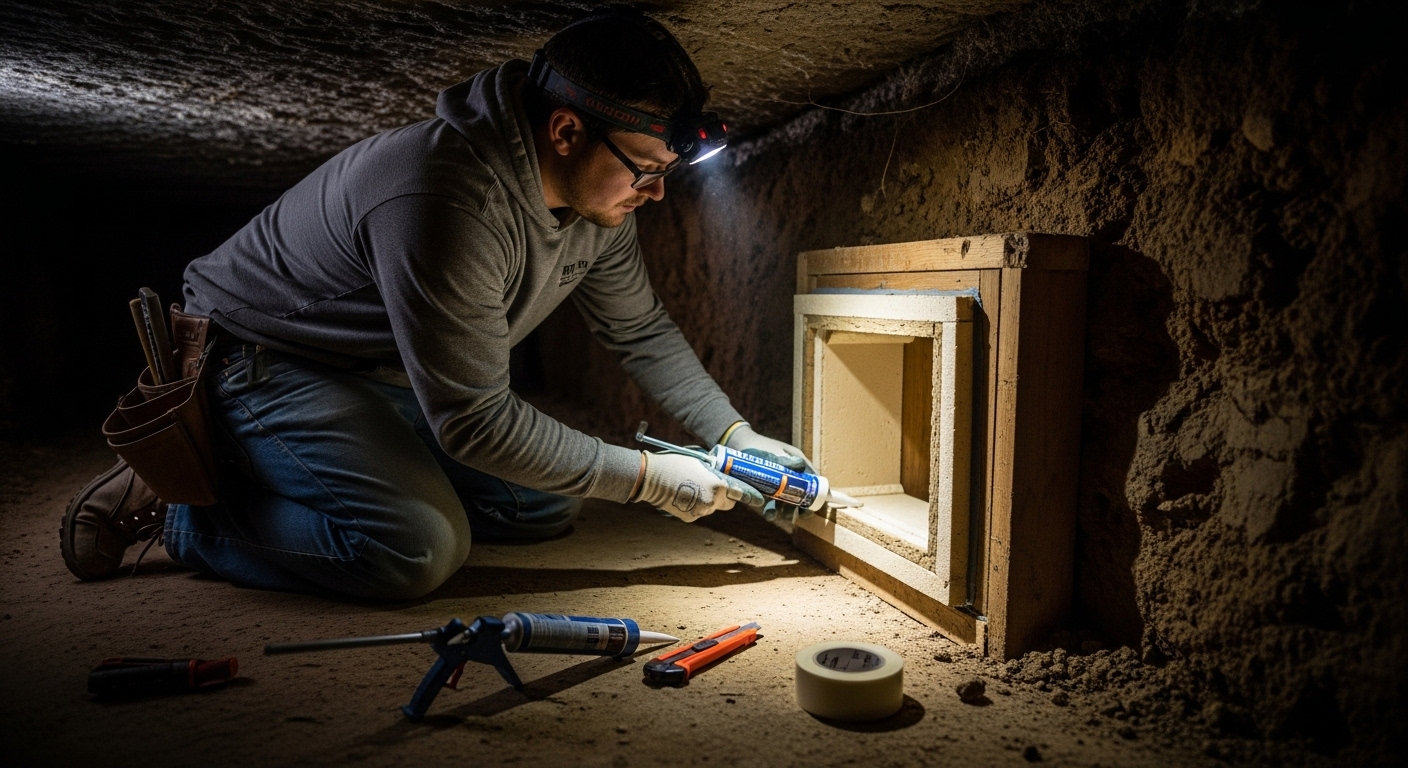
A qualified Crawl Space Encapsulation Contractor seals entry points and installs durable liners that resist damage.
Comparison Of Open Versus Encapsulated Crawl Spaces
The table below highlights key differences.
| Feature | Open Crawl Space | Encapsulated Crawl Space |
|---|---|---|
| Moisture Control | Limited | High |
| Mold Risk | Elevated in humid areas | Reduced |
| Energy Efficiency | Lower | Improved |
| Pest Access | Easy | Restricted |
| Indoor Air Quality Impact | Negative in many cases | More stable |
This comparison shows why many property owners turn to a specialized Crawl Space Encapsulation Company.
Foundation And Structural Stability
Moisture shifts soil conditions under the home. In some regions, clay soil expands and contracts with moisture changes.
Encapsulation helps maintain stable humidity levels. This reduces stress on foundation piers and support blocks.
Regional Considerations
In humid states like Georgia, crawl spaces face year round moisture pressure. In colder climates, freezing temperatures can affect exposed plumbing.
Encapsulation supports both moisture control and pipe protection.
Things To Consider Before Making A Decision
Before investing in encapsulation, property owners should assess current conditions.
- Check for standing water or drainage problems outside the foundation
- Inspect for mold, wood damage, or pest activity
- Ask if the system includes a dehumidifier and proper drainage
- Review warranty terms and liner thickness
Costs vary based on crawl space size and damage level. A detailed inspection from trained Crawl Space Encapsulation experts helps determine scope.
How The Encapsulation Process Works
Encapsulation follows a step by step method.
Cleaning And Preparation
Crews remove debris and damaged insulation. They address mold and dry wet areas.
Sealing And Liner Installation
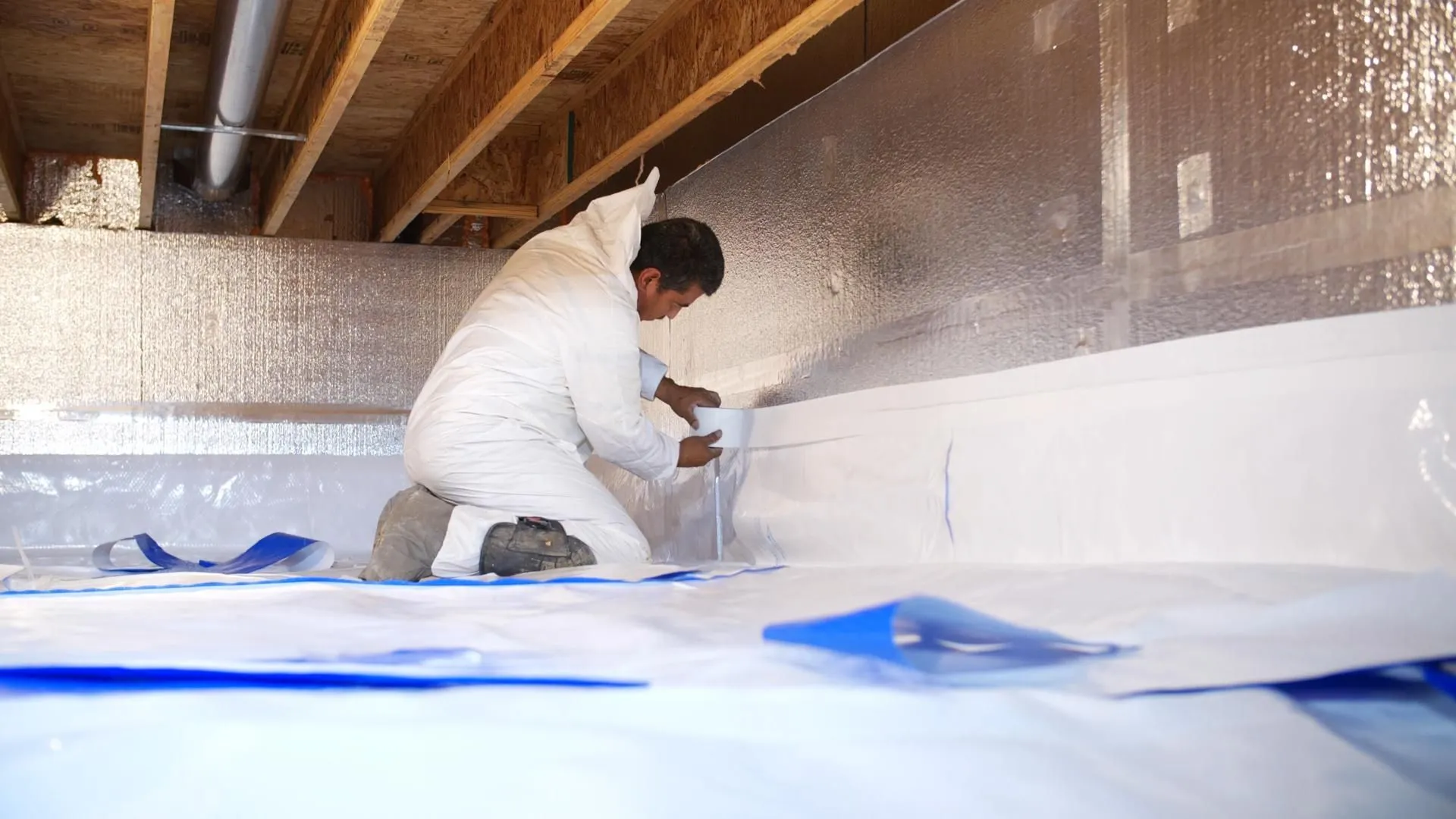
A heavy duty vapor barrier covers the floor and walls. Seams are sealed tightly.
Air Sealing And Conditioning
Vents are closed. Small gaps are sealed. In many cases, a dehumidifier keeps humidity below 60 percent.
Bonus Tip: Improve Exterior Drainage
Gutters and downspouts should direct water away from the foundation.
Bonus Ti:p Monitor Humidity Levels
A simple humidity gauge helps track performance after installation.
Small Upgrades Deliver Long Term Value
Encapsulation works best when paired with proper drainage and ventilation planning.
Questions About Crawl Space Encapsulation
Does encapsulation eliminate all moisture?
It controls moisture but does not stop active flooding. Drainage issues must be fixed first.
How long does installation take?
Most residential projects take two to four days, depending on size and repairs needed.
Is a dehumidifier always required?
In humid regions, yes. In dry climates, it may not be necessary.
Will encapsulation increase home value?
Many buyers prefer sealed crawl spaces because they signal better moisture control and maintenance.
Can existing insulation stay in place?
If insulation is dry and clean, it may remain. Damaged material is usually removed.
Evaluate The Condition Beneath The Home
Crawl space problems often go unnoticed until damage appears inside the home. Encapsulation addresses moisture, mold, pests, and energy loss at the source.
Property owners should review current crawl space conditions, regional climate risks, and long term maintenance goals before making a decision.
Consult A Qualified Team For Detailed Assessment
For those considering professional guidance, Premier Insulation provides crawl space inspections and structured solutions. Their team explains findings clearly and outlines steps based on moisture levels and structural condition.
Readers seeking more details about Crawl Space Encapsulation services can contact Premier Insulation at [email protected] or call (229) 554-3939. They offer evaluations designed to address humidity control, air sealing, and long term protection.
Reviewer: Jack Parker, a spray foam professional with 7 years of experience, reviewed this post and helped improve sections dealing with brand clarity and customer communication.


























Sign in to leave a comment.