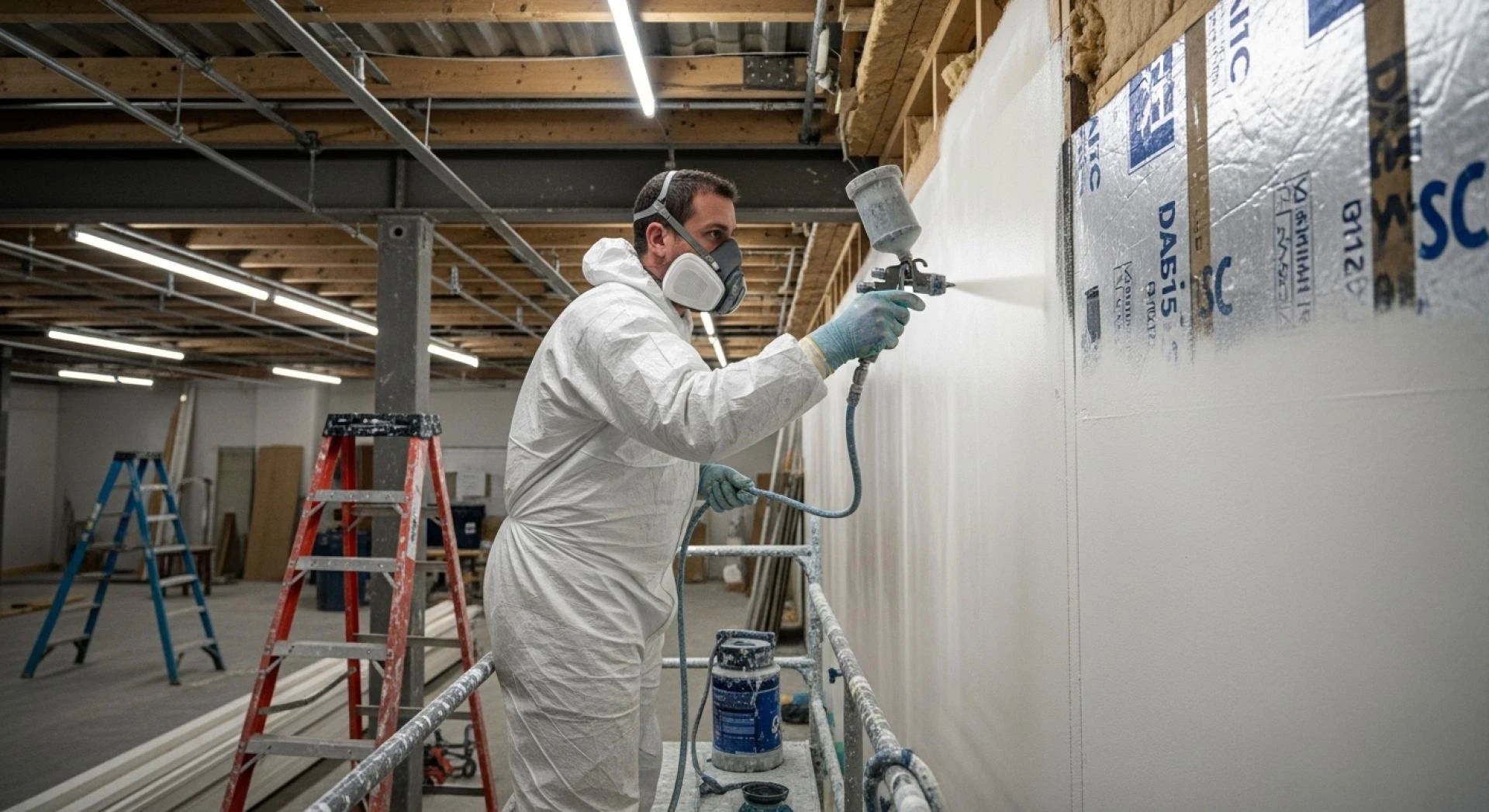
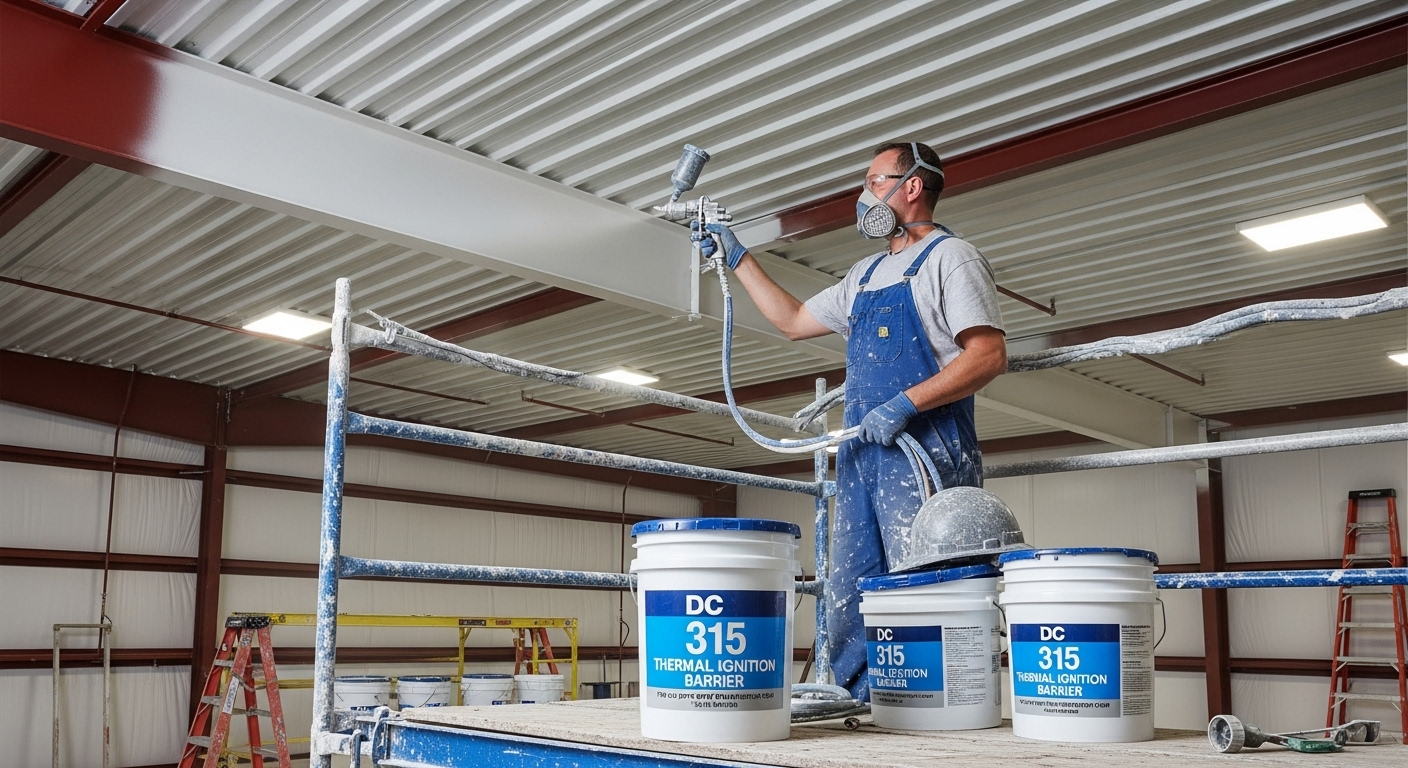
DC 315 Thermal Ignition Barrier Paint is seeing wider use beyond basic code compliance. Builders and insulation teams now apply it in mixed-use buildings, conditioned attics, metal structures, and retrofit projects where spray foam must meet ignition barrier rules without adding drywall. New trends focus on faster cure times, better spray control, improved inspection methods, and tighter quality checks.
This article explains where the market is heading and what property owners and builders should know before choosing DC 315 Thermal Ignition Barrier Paint services. The guidance reflects field experience and code-based practices used by trained DC 315 Thermal Ignition Barrier Paint experts who work with spray foam systems every day.
Why DC 315 Thermal Ignition Barrier Paint Is Gaining Wider Use
Fire safety rules are getting stricter in many states. Building departments now look closely at exposed spray foam in attics and crawl spaces. DC 315 offers a tested way to meet ignition barrier standards without installing gypsum board.
The spray foam insulation market in the United States continues to grow each year, driven by energy code updates and rising energy costs. As more foam is installed, demand for approved ignition barriers increases as well. That demand supports steady growth in DC 315 Thermal Ignition Barrier Paint services across residential and light commercial sectors.
Growing Demand in Energy Efficient Homes
Energy codes now push for tighter building envelopes. Many homes use open cell or closed cell foam in roof decks. When foam remains exposed, code often requires an ignition barrier.
DC 315 allows builders to:
- Protect exposed foam in attics and crawl spaces without major framing changes
- Maintain usable storage space in attics
- Reduce labor compared to installing drywall overhead
This approach saves time while keeping projects compliant.
Increased Retrofit Applications
Older homes often receive foam upgrades during energy retrofits. In these cases, adding drywall after foam can be costly and messy.
Using DC 315 Thermal Ignition Barrier Paint experts helps retrofit projects move faster while meeting fire safety guidelines. This trend is strong in humid southern states where attic encapsulation is common.
Advances in Application Methods
Application methods have improved over the last few years. Crews now use better spray equipment and digital thickness gauges to confirm coverage.
These changes reduce guesswork and improve inspection results.
Improved Spray Equipment
Modern airless sprayers provide more even coverage. This helps crews hit required mil thickness in fewer passes.
Consistent Film Thickness
Uniform coating thickness is critical. If applied too thin, it may fail inspection. If too thick, it wastes product and increases cost.
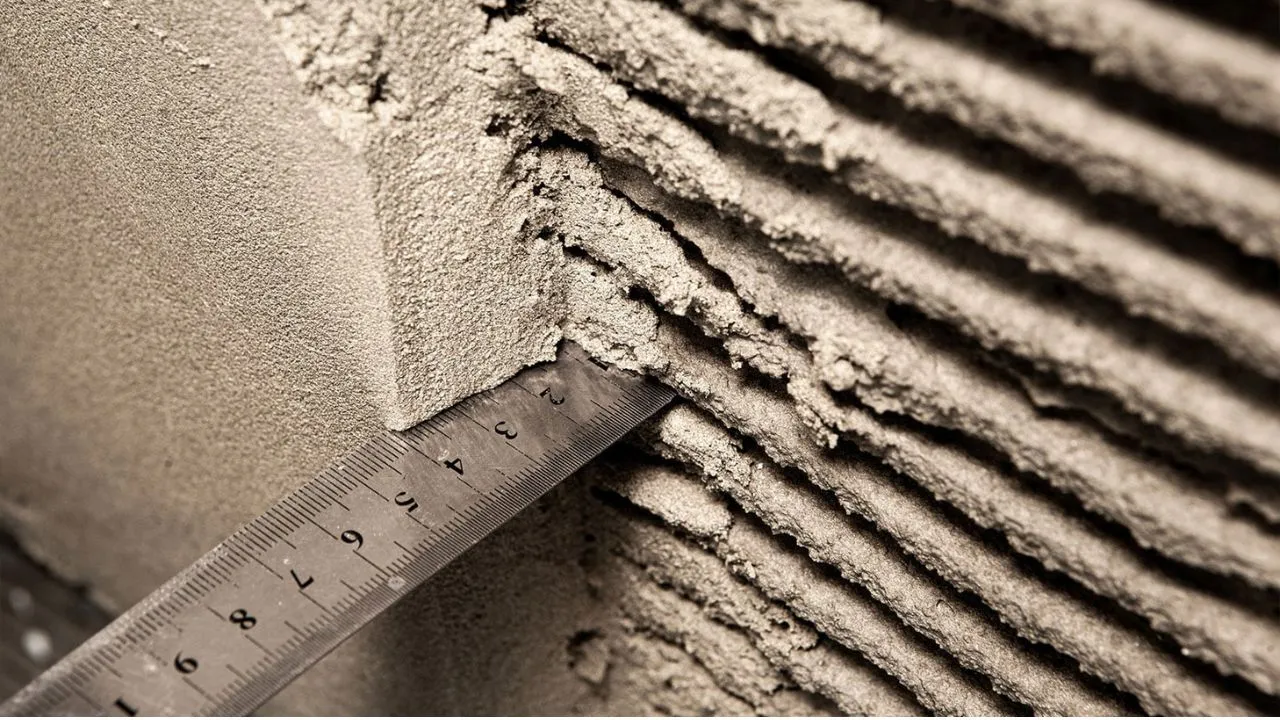
Experienced DC 315 Thermal Ignition Barrier Paint Contractor teams use wet film gauges during application. They also track square footage per gallon to confirm proper spread rate.
Faster Dry and Recoat Times
Manufacturers continue to refine formulations. Many projects now benefit from faster dry times under proper temperature and humidity conditions.
In warm regions like Georgia and Florida, crews must also monitor moisture levels. High humidity can extend cure times. Climate awareness is now a key part of professional installation.
Expansion Into Commercial and Metal Buildings
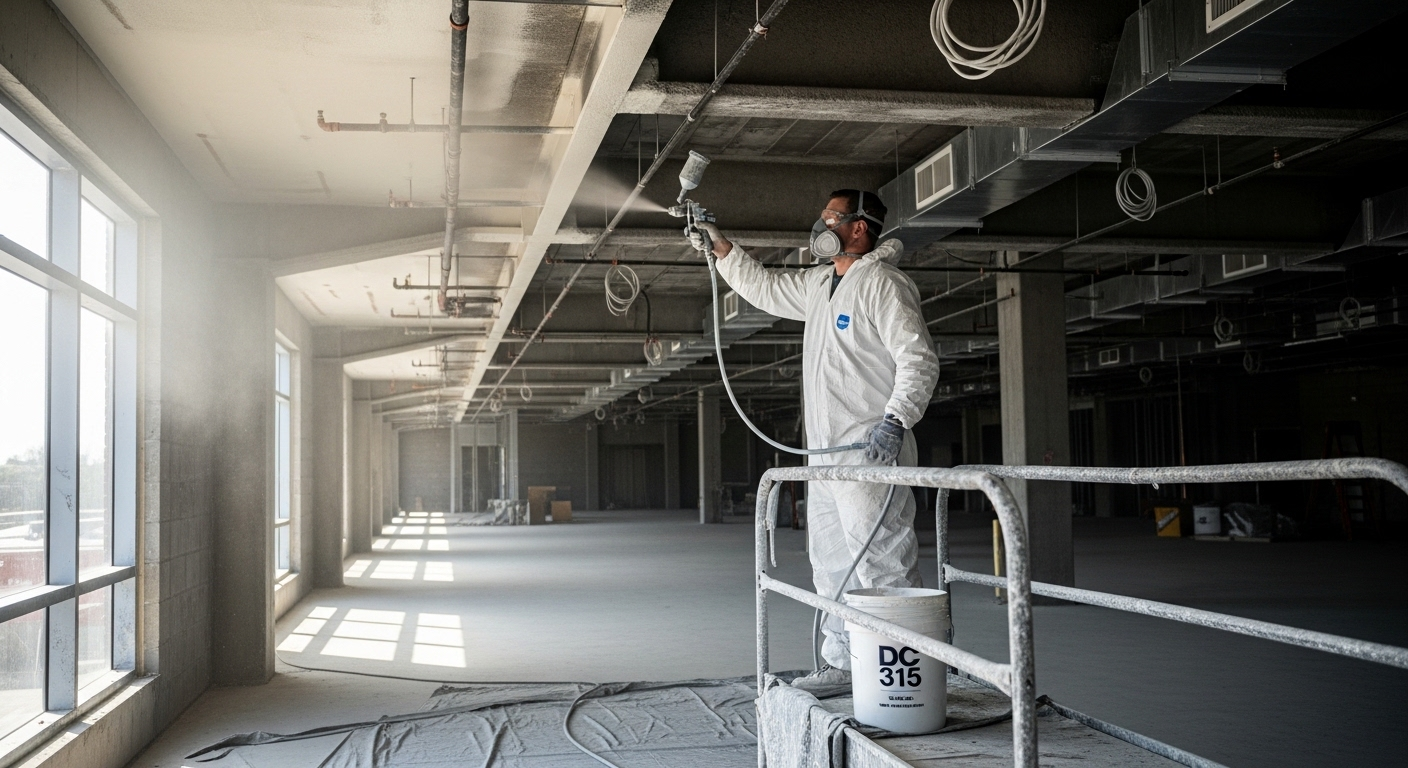
DC 315 was once common mainly in homes. That has changed. Warehouses, barndominiums, and light commercial buildings now use spray foam insulation at a high rate.
With that shift, more DC 315 Thermal Ignition Barrier Paint Company teams handle large open ceilings and metal roof decks.
Common Commercial Applications
- Metal warehouse ceilings with exposed foam
- Self storage facilities
- Agricultural buildings
- Mixed use retail spaces
The U.S. commercial renovation market continues to expand each year. As foam use grows in these buildings, ignition barrier coatings follow.
Performance Compared to Other Barriers
Below is a simplified comparison of ignition barrier options.
| Feature | DC 315 Coating | 1/2 Inch Drywall | Mineral Fiber Board |
|---|---|---|---|
| Weight Added | Low | Moderate | Moderate |
| Labor Time | Low to Moderate | High | Moderate |
| Access After Install | Easy | Limited | Limited |
| Works in Tight Attics | Yes | Often Difficult | Often Difficult |
| Requires Framing Changes | No | Often Yes | Sometimes |
For many projects, coating systems reduce labor and structural changes.
Inspection and Documentation Trends
Code officials now request more documentation. Clear records help avoid failed inspections.
Professional DC 315 Thermal Ignition Barrier Paint services now include detailed reporting.
Digital Thickness Verification
Crews often log:
- Wet mil readings during application
- Final square footage coverage
- Batch numbers for product traceability
This record keeping builds trust with inspectors and property owners.
Third Party Testing Awareness
Many building departments require proof of approved testing standards. Reputable DC 315 Thermal Ignition Barrier Paint experts stay updated on evaluation reports and fire test criteria.
Climate Specific Considerations
Application conditions matter. Temperature and humidity affect cure time and finish quality.
Southern Humid Climates
In areas like Georgia and the Gulf Coast:
- High humidity can slow drying
- Ventilation may be needed during curing
- Surfaces must be clean and dry before coating
Crews often schedule work during lower humidity hours when possible.
Colder Regions
In northern states:
- Surfaces must meet minimum temperature requirements
- Temporary heat may be required in winter
- Cure times may extend in unconditioned spaces
Careful planning prevents delays and uneven finishes.
Things to Consider Before Making a Decision
Before selecting a provider, property owners should review several factors.
Code Requirements
Local building codes vary. Some areas accept specific coatings under certain conditions. Others may require extra documentation.
Application Experience
Ask about:
- Previous attic or crawl space projects
- Thickness verification process
- Familiarity with local inspectors
A qualified DC 315 Thermal Ignition Barrier Paint Contractor understands both product guidelines and inspection standards.
Building Use and Access
Consider how the space will be used. Storage areas, mechanical rooms, and commercial spaces may have different safety requirements.
Long Term Maintenance
While coatings are durable, roof leaks or water damage can affect performance. Periodic visual checks help maintain compliance.
Bonus Tips
- Always confirm surface dryness before spraying. Moisture under the coating can cause adhesion issues.
- Keep clear records of product batch numbers for future reference.
Practical Reminder
Small preparation steps often prevent large inspection setbacks.
Final Thoughts on Application Trends
DC 315 continues to gain ground as foam insulation expands into new building types. Trends show stronger inspection standards, better spray control, and broader commercial use. Climate awareness and documentation now shape how professionals approach each job.
Property owners should review local code rules, building use, and installer experience before moving forward. Careful planning supports long term safety and smoother inspections.
Get Guidance From Experienced Professionals
For those planning spray foam projects in Georgia or nearby areas, it helps to consult a knowledgeable provider. Premier Insulation offers guidance on foam systems and ignition barrier applications. They can explain code requirements, surface preparation, and proper coating thickness.
Property owners can contact Premier Insulation at [email protected] or call (229) 554-3939 to discuss project details and determine if DC 315 is appropriate for their building type and climate conditions.
What Readers Often Ask
How thick should DC 315 be applied?
Most applications require a specific wet mil thickness to meet testing standards. Installers measure during spraying to confirm compliance. Exact thickness depends on approved evaluation reports.
Can it be applied over any spray foam?
It must be applied over compatible, properly cured spray foam. The foam surface should be clean and free of dust or oil before coating.
How long does it take to dry?
Dry time depends on temperature and humidity. Under normal indoor conditions, it may dry to the touch within hours. Full cure can take longer.
Is it suitable for commercial buildings?
Yes. Many warehouses and metal structures use it when foam remains exposed. Local code approval should always be confirmed first.
Does it replace a thermal barrier?
No. It is designed as an ignition barrier under specific tested conditions. Thermal barrier requirements are different and must be reviewed separately.
Reviewer: Jack Parker, a spray foam professional with 7 years of experience, reviewed this post and helped improve sections dealing with brand clarity and customer communication.























Sign in to leave a comment.