
Introduction
Plumbing problems can cause serious damage inside a home. A burst pipe, leaking water heater, or hidden pipe failure can quickly flood floors, walls, and ceilings. Many homeowners assume their insurance policy will pay for every plumbing issue, but that is not always the case. Insurance companies follow strict rules about what types of plumbing damage qualify for coverage.
After more than two decades in plumbing, one thing becomes clear: most insurance claims are approved only when the damage happens suddenly. Long-term leaks or neglected plumbing systems are usually denied. Understanding how coverage works helps homeowners make the right decision when a problem occurs.
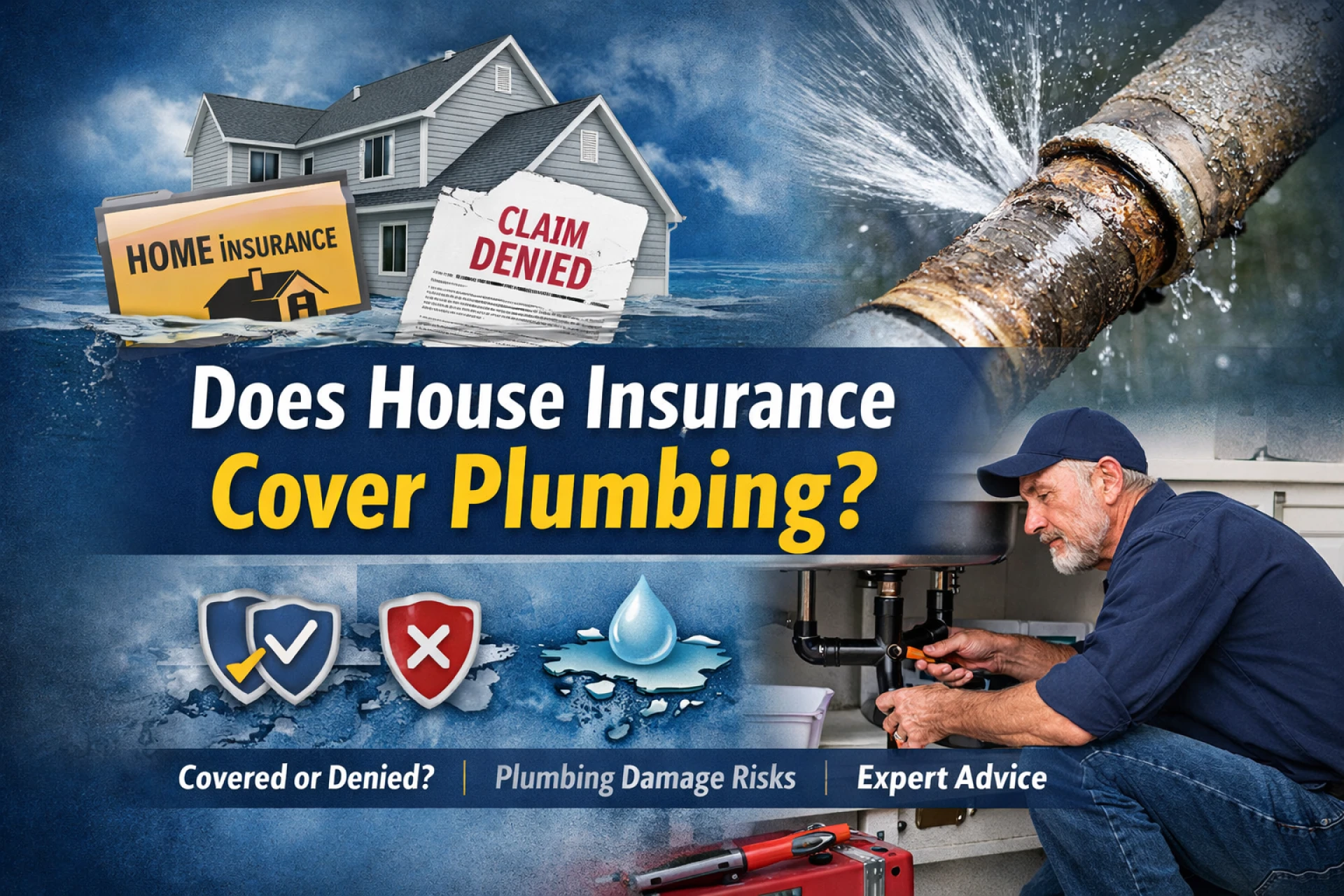
Does House Insurance Cover Plumbing?
Home insurance can cover plumbing damage, but only under certain conditions. Most standard homeowners insurance policies cover sudden and accidental water damage caused by plumbing failures. This means the insurance company may pay for damage to floors, walls, cabinets, and personal belongings.
However, the policy usually does not pay to repair the plumbing system itself unless the damage came from a covered event. For example, if a pipe bursts and floods a room, the damage to the home may be covered. The cost to repair or replace the broken pipe may still fall on the homeowner.
Insurance providers also review whether the plumbing system was properly maintained. If the issue developed slowly over time, the claim is often denied.
When Plumbing Damage Is Usually Covered by Insurance
Some plumbing situations are commonly approved under homeowners insurance policies. These cases involve unexpected failures that cause immediate damage inside the home.
Sudden Pipe Bursts
A sudden pipe burst is one of the most common plumbing emergencies covered by insurance. This usually happens during freezing temperatures when water expands inside pipes and causes them to crack or split.
Once the pipe bursts, water can spread quickly through walls, ceilings, and floors. Insurance policies often cover the structural damage caused by the water. However, the homeowner may still need to pay for replacing the damaged pipe itself.
Accidental Water Damage from Plumbing
Insurance coverage often applies when water escapes unexpectedly from plumbing fixtures or appliances. Examples include a washing machine hose failure, a toilet supply line breaking, or a pipe connection coming loose.
These incidents are considered accidental because the damage occurs suddenly. In many cases, insurance companies approve claims for repairing drywall, flooring, or cabinets damaged by the water.
Water Heater Failures That Cause Damage
Water heaters can also cause major water damage if the tank suddenly ruptures. Over the years, many plumbers have seen water heaters fail without warning after internal corrosion weakens the tank.
If a water heater bursts and floods the area, insurance policies may cover the resulting property damage. However, they typically do not cover the cost of installing a new water heater unless the policy includes equipment coverage.
Plumbing Problems That Insurance Usually Does Not Cover
Insurance companies rarely approve claims when plumbing problems develop slowly or result from poor maintenance. These issues are considered preventable.
Slow Leaks and Long-Term Water Damage
Small leaks inside walls or under sinks often go unnoticed for months. Over time, moisture can cause mold, rot, and structural damage. Insurance companies usually deny these claims because the problem developed gradually.
From a plumbing standpoint, slow leaks often start with worn seals, loose fittings, or aging pipes. Regular inspections can usually catch these issues before they create serious damage.
Lack of Maintenance
Insurance policies require homeowners to maintain their plumbing systems. If pipes corrode, fixtures deteriorate, or plumbing components fail due to age, the damage is often classified as a maintenance issue.
For example, an old pipe that finally breaks after years of corrosion is unlikely to qualify for insurance coverage. Insurance companies expect homeowners to replace aging plumbing components before they fail.
Sewer Line Backups Without Additional Coverage
Sewer backups can cause major damage inside homes, especially in basements or lower-level bathrooms. However, most homeowners insurance policies do not automatically cover sewer line backups.
Additional water backup coverage is usually required for these types of claims. Without that extra protection, homeowners often need to pay for cleanup and repairs themselves.
What Types of Plumbing Damage Are Most Common in Homes
After years of working in residential plumbing, several types of damage appear repeatedly in homes. Burst pipes during winter are among the most common emergencies, especially in older homes with uninsulated plumbing lines.
Another frequent issue involves leaking supply lines under sinks and behind toilets. These small hoses carry pressurized water, and when they fail, the leak can quickly flood cabinets and flooring.
Water heater failures also appear regularly in service calls. Tanks that reach ten to fifteen years of age often develop internal corrosion, which increases the risk of sudden leaks or ruptures.
How Insurance Companies Evaluate Plumbing Claims
Insurance companies usually start with a detailed inspection when a plumbing claim is filed. Adjusters look for signs that indicate whether the damage occurred suddenly or developed over time.
They often check for corrosion, mineral buildup, or long-term moisture damage around the plumbing system. Evidence of mold, rust, or rotting materials may suggest that the problem existed for months.
Insurance companies may also review maintenance records or photographs taken after the incident. These details help determine whether the damage qualifies under the policy.
What Homeowners Should Do After a Plumbing Leak or Burst Pipe
The first step after a plumbing leak is to shut off the main water supply. This prevents additional water from spreading through the home. Quick action can reduce damage and lower repair costs.
After stopping the water, homeowners should document the damage with photos and videos. Insurance companies often request visual evidence when reviewing claims.
Calling a licensed plumber should come next. A professional inspection identifies the source of the leak and prevents the problem from continuing after cleanup.
How to Prevent Plumbing Problems That Insurance May Not Cover
Preventive maintenance plays a major role in avoiding plumbing damage. Many insurance claims could be avoided if plumbing systems were inspected regularly.
Replacing aging supply lines, checking water heater condition, and insulating pipes in cold areas can significantly reduce the risk of sudden failures. Homeowners should also watch for warning signs such as reduced water pressure, unusual noises, or damp spots around plumbing fixtures.
Routine plumbing inspections help detect small issues before they turn into expensive water damage.
When It Is Better to Call a Plumber Instead of Filing a Claim
Not every plumbing issue requires an insurance claim. Minor leaks, small pipe repairs, or fixture replacements often cost less than the insurance deductible.
In many situations, calling a plumber immediately can solve the issue faster and prevent larger damage. Experienced plumbers can identify the root cause of the problem and recommend repairs before the situation escalates.
Avoiding unnecessary insurance claims can also prevent future premium increases.
Final Thoughts
Home insurance can cover plumbing damage, but coverage depends on how the problem occurs. Sudden events like burst pipes or accidental water leaks often qualify for claims. Gradual leaks, poor maintenance, and aging plumbing systems usually fall outside standard coverage.
A well-maintained plumbing system reduces the risk of unexpected damage and denied insurance claims. Regular inspections and quick repairs remain the best way to protect a home from costly water damage.
About Girg Plumbing
Girg Plumbing provides professional plumbing services for homes and businesses in Aurora and nearby Colorado communities. The company handles a wide range of plumbing work, including leak detection, pipe repairs, water heater installation, sump pump services, toilet repairs, and fixture replacements. Property owners who need experienced plumbers in Aurora often rely on trained technicians who understand local plumbing systems and common water issues found in the area.
Plumbing problems can quickly turn into expensive repairs when ignored. Early inspections and proper maintenance help prevent burst pipes, water damage, and hidden leaks inside walls or floors. Skilled plumbers in Aurora at Girg Plumbing focus on accurate diagnosis and long-term solutions so plumbing systems continue to work safely and efficiently. Homeowners and businesses can schedule service whenever plumbing issues require professional attention.


























Sign in to leave a comment.