
Does nanoplasty involve the use of harsh chemicals?
As of my last knowledge update in January 2023, "nanoplasty" refers to a hair treatment technique designed to restore and rejuvenate damaged hair. Unlike traditional chemical treatments like perms or relaxers that can contain harsh chemicals, nanoplasty is often promoted as a more gentle and less damaging option for hair repair and enhancement.
Nanoplasty, also known as nanokeratin treatment, utilizes nano-sized particles of keratin—a natural protein found in hair—to penetrate the hair cuticle and fill in gaps and damaged areas. The primary aim is to strengthen and smoothen the hair, making it more manageable, frizz-free, and healthier-looking. Unlike some chemical treatments that break the hair's natural bonds and alter its structure, nanoplasty focuses on repairing and nourishing the hair without causing significant structural changes.
One of the key selling points of nanoplasty is its claim to be free from harsh chemicals commonly found in traditional hair treatments. While formulations can vary between brands, nanoplasty treatments typically avoid or minimize the use of strong chemicals such as formaldehyde, ammonia, and thioglycolates—common culprits known for causing damage, irritation, and allergic reactions in some individuals.
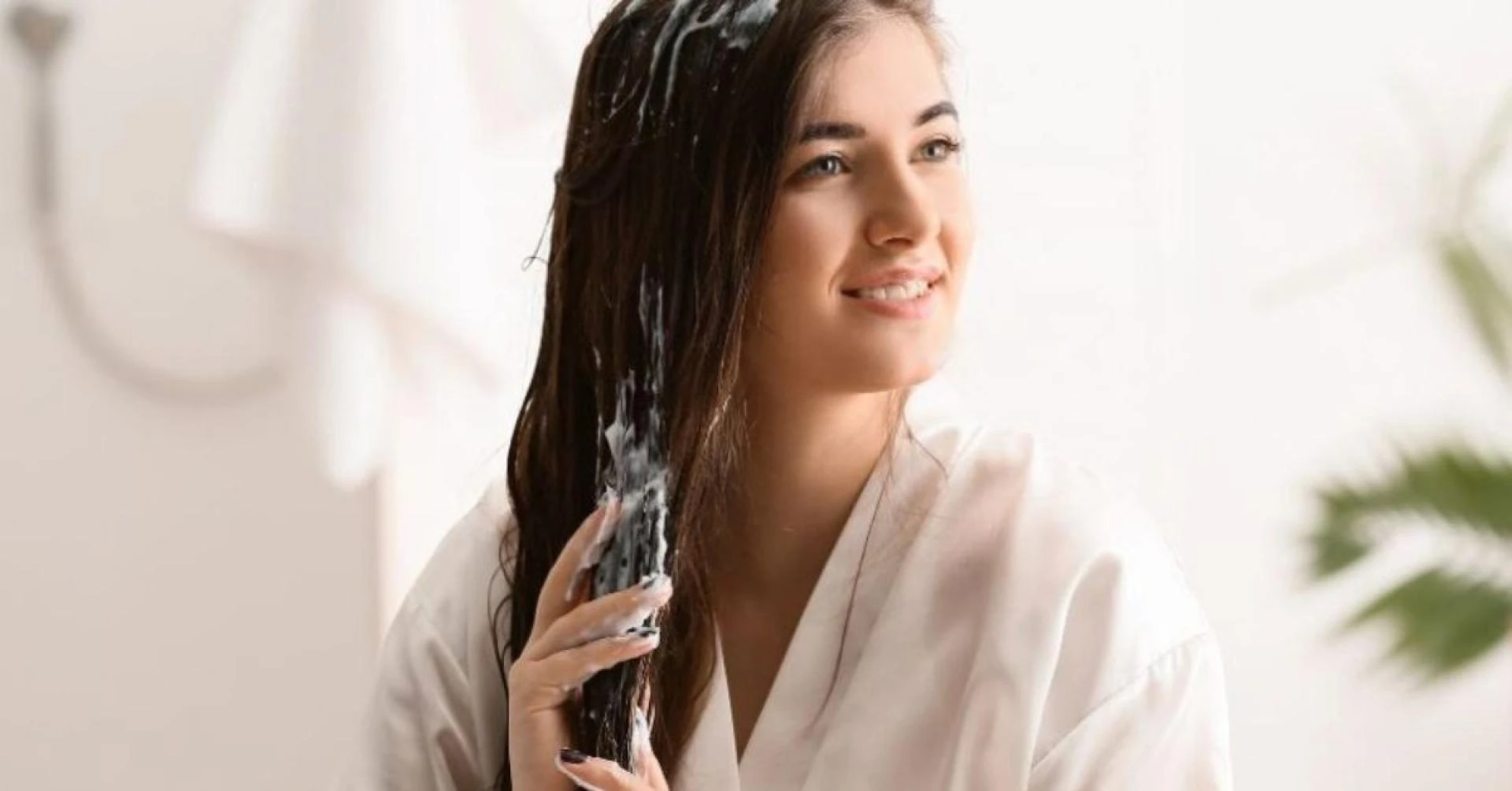
The process involves several steps. First, the hair is cleansed to remove impurities and product buildup. Then, the nanoplasty solution, often containing keratin particles, amino acids, vitamins, and other nourishing ingredients, is applied to the hair and sealed in using heat from a straightening iron or blow dryer. This sealing process helps the keratin particles bond to the hair structure, promoting smoother and healthier-looking strands.
Advocates of nanoplasty claim that its use of smaller keratin particles allows for deeper penetration into the hair shaft without causing damage or altering the hair's natural state. It is often marketed as a customizable treatment suitable for various hair types, including color-treated or chemically processed hair, as it aims to enhance hair quality without compromising its integrity.
However, it's essential to note that individual reactions to hair treatments can vary. While nanoplasty is generally advertised as a safer alternative to traditional chemical treatments, it's advisable for individuals to undergo a patch test before a full treatment to check for any adverse reactions, especially for those with sensitive skin or known allergies.
In summary, nanoplasty is a hair treatment technique that focuses on restoring and rejuvenating damaged hair using nano-sized keratin particles. Unlike many chemical treatments, nanoplasty is often marketed as a milder and less damaging option, aiming to improve hair health and appearance without relying on harsh chemicals. However, as with any cosmetic procedure, understanding the specific ingredients used and considering individual sensitivities is crucial before undergoing nanoplasty treatment.










Sign in to leave a comment.