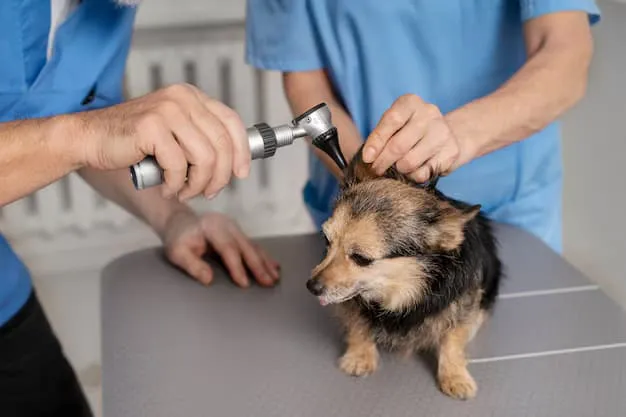

Keeping dogs safe from parasites is a responsibility that extends throughout the entire year. Fleas and ticks are not limited to a single season, and they can pose serious health risks if left untreated. A proper dog tick flea treatment routine helps ensure pets remain comfortable, healthy, and free from infestations. Understanding how these parasites work and how to prevent them is essential for every dog owner who wants to provide long term care.
Understanding Fleas and Ticks
What Are Fleas and Why Are They Harmful
Fleas are tiny, wingless insects that survive by feeding on the blood of animals. They reproduce quickly, making even a small infestation difficult to control if not addressed early. Once they settle on a dog, they can cause intense itching, irritation, and discomfort. Dogs may scratch excessively, leading to skin damage and potential infections.
Beyond irritation, fleas can also transmit diseases and parasites such as tapeworms. A severe flea infestation can even lead to anemia, especially in puppies or smaller dogs. This makes early detection and proper dog tick flea treatment essential. Preventing fleas is far easier than eliminating a full blown infestation.
What Are Ticks and Their Health Risks
Ticks are external parasites that attach themselves to a dog’s skin and feed on blood. Unlike fleas, ticks are larger and easier to spot, but they can still go unnoticed if hidden in thick fur. They are commonly found in grassy or wooded areas and can latch onto a dog during walks or outdoor play.
Ticks are known carriers of serious diseases that can affect both pets and humans. Conditions like Lyme disease and other infections can develop after a tick bite. Regular inspection and consistent dog tick flea treatment routines help reduce the risk of these harmful complications.
Importance of Year Round Protection
Why Seasonal Treatment Is Not Enough
Many people believe flea and tick treatments are only necessary during warmer months. However, fleas and ticks can survive indoors and in mild climates year round. Central heating systems and sheltered environments allow them to thrive even during colder seasons.
Skipping treatment during certain months can create gaps in protection, allowing parasites to return quickly. A continuous dog tick flea treatment plan ensures that pets remain protected regardless of seasonal changes. Consistency is key to maintaining a parasite free environment.
Continuous Prevention for Long Term Health
Year round protection is not just about avoiding discomfort. It is about safeguarding a dog’s overall health. Parasites can weaken the immune system, spread diseases, and cause long term complications if ignored.
By maintaining a regular dog tick flea treatment routine, dog owners can prevent infestations before they start. This proactive approach reduces the need for more aggressive treatments later. It also ensures that pets enjoy a higher quality of life without constant irritation or health concerns.
Types of Dog Tick Flea Treatment Options
Topical Treatments
Topical treatments are applied directly to a dog’s skin, usually between the shoulder blades. These treatments spread across the skin’s surface and provide protection against fleas and ticks for several weeks. They are easy to apply and widely used by pet owners.
One advantage of topical treatments is their long lasting effectiveness. They kill parasites on contact and help prevent future infestations. Regular application is necessary to maintain consistent protection. Following proper dosage and timing is essential for the best results.
Oral Medications
Oral treatments come in the form of chewable tablets or pills that dogs can consume easily. These medications work from within the dog’s system to eliminate fleas and ticks. They are particularly useful for dogs that may have sensitive skin or reactions to topical solutions.
Oral treatments often act quickly and can provide protection for extended periods. They are convenient and reduce the risk of residue on the dog’s coat. Consistent use as part of a dog tick flea treatment routine ensures effective and reliable protection.
Collars and Sprays
Flea and tick collars are designed to release active ingredients over time, offering long term protection. They are simple to use and can remain effective for several months. Collars are a convenient option for busy pet owners who want a low maintenance solution.
Sprays, on the other hand, provide immediate relief by killing parasites on contact. They can be used during active infestations or as an additional layer of protection. Combining different methods can enhance the effectiveness of a dog tick flea treatment plan when used correctly.
Natural and Preventive Approaches
Maintaining a Clean Environment
A clean living space plays a significant role in preventing fleas and ticks. Regular vacuuming of carpets, furniture, and pet bedding helps remove eggs and larvae. Washing bedding frequently ensures that parasites do not multiply in hidden areas.
Outdoor spaces should also be maintained to reduce the risk of ticks. Keeping grass trimmed and removing debris can limit the environments where ticks thrive. A clean environment supports any dog tick flea treatment routine and enhances its effectiveness.
Grooming and Regular Inspections
Regular grooming allows dog owners to detect fleas and ticks early. Brushing the dog’s coat helps identify any unusual signs such as redness, bumps, or visible parasites. Early detection makes treatment easier and prevents larger infestations.
Bathing with appropriate products can also help keep parasites at bay. Routine inspections after walks, especially in grassy areas, are essential. Combining grooming with dog tick flea treatment ensures comprehensive protection for pets.
Signs That a Dog Needs Treatment
Behavioral Changes
Dogs often show clear signs when they are dealing with fleas or ticks. Excessive scratching, biting, or licking certain areas of the body may indicate an infestation. Restlessness and discomfort are also common behavioral changes.
Some dogs may become more irritable or anxious due to constant itching. Observing these changes can help identify the need for immediate dog tick flea treatment. Early intervention prevents further complications and improves the dog’s comfort.
Physical Symptoms
Physical signs of fleas include small dark specks on the skin, commonly known as flea dirt. Red or irritated skin and hair loss in certain areas may also occur. Ticks may appear as small bumps attached to the skin.
In more severe cases, dogs may develop infections or show signs of illness. Regular checks and timely dog tick flea treatment can prevent these symptoms from worsening. Addressing physical signs early ensures quicker recovery.
Choosing the Right Treatment Plan
Considering the Dog’s Lifestyle
Every dog has a unique lifestyle that influences its risk of exposure to fleas and ticks. Dogs that spend more time outdoors or in wooded areas are at higher risk. Indoor dogs are not completely safe either, as parasites can be brought inside.
Selecting a dog tick flea treatment should take these factors into account. Active dogs may require stronger or more frequent protection. Tailoring the treatment plan ensures better results and long lasting protection.
Consulting Professionals for Guidance
Professional advice can help determine the most suitable treatment for a dog. Factors such as age, breed, health condition, and sensitivity should be considered. A well informed decision ensures that the chosen method is both safe and effective.
Following expert recommendations and maintaining consistency is crucial. A proper dog tick flea treatment plan developed with guidance can significantly reduce the chances of infestations. This approach provides peace of mind for pet owners.
Preventing Reinfestation
Treating the Home and Surroundings
Eliminating fleas and ticks from a dog is only part of the solution. The home environment must also be treated to prevent reinfestation. Carpets, furniture, and outdoor areas can harbor eggs and larvae.
Using appropriate cleaning methods and maintaining hygiene reduces the chances of parasites returning. A combined approach strengthens the effectiveness of any dog tick flea treatment. Prevention is always more effective than repeated treatment.
Consistency and Monitoring
Consistency is essential when it comes to parasite control. Skipping treatments or delaying applications can lead to recurring infestations. Monitoring the dog’s condition regularly helps ensure that the treatment is working effectively.
Keeping track of treatment schedules and observing any changes in behavior or health is important. A consistent dog tick flea treatment routine provides long term protection and minimizes risks. Regular monitoring ensures that pets remain safe and healthy.
Conclusion
Ensuring year round protection from fleas and ticks is a vital part of responsible pet care. A consistent and well planned dog tick flea treatment routine helps prevent discomfort, disease, and long term health issues. By understanding the risks, choosing the right treatments, and maintaining a clean environment, dog owners can provide their pets with a safe and comfortable life. Professional grooming and regular care also play a crucial role in early detection and prevention. Mobile Dog Grooming, LLC supports pet owners by offering convenient and thorough grooming services that help maintain cleanliness and reduce the risk of parasite infestations. With proper attention and care, dogs can enjoy a healthier and happier life free from fleas and ticks.


























Sign in to leave a comment.