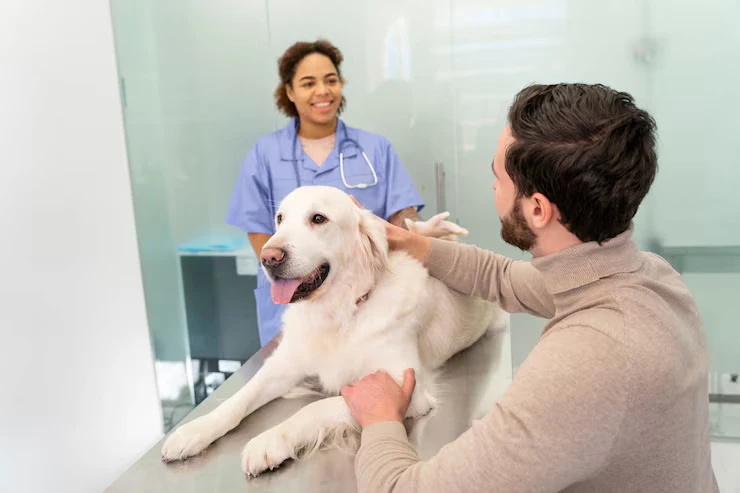

Your dog's health needs change dramatically from their first weeks of life through their golden years. A dog veterinary hospital provides specialized care tailored to each life stage, ensuring your companion receives appropriate medical attention whether they're teething, thriving, or slowing down. Understanding what services matter most at different ages helps you make informed decisions about your pet's healthcare.
Essential Puppy Care Services (Birth to 12 Months)
Puppies need frequent veterinary attention during their first year. Their immune systems are developing, and their bodies grow at remarkable speeds.
Vaccination schedules start as early as six weeks. Your puppy receives a series of shots spaced three to four weeks apart. These protect against distemper, parvovirus, hepatitis, and parainfileovirus. Rabies vaccination typically happens around 16 weeks.
Deworming begins immediately. Most puppies carry intestinal parasites from their mother. Your veterinarian will run fecal tests and provide treatment protocols. This process usually requires multiple visits to ensure complete elimination.
Growth monitoring catches developmental issues early. Regular weight checks and physical examinations help identify problems with bone development, heart function, or nutritional deficiencies. Early detection makes treatment more effective and less costly.
Spay and neuter consultations happen around six months. Your veterinarian will discuss the ideal timing based on your dog's breed, size, and health status. Larger breeds often benefit from waiting slightly longer than smaller breeds.
Behavioral guidance prevents future problems. Your veterinarian can address house training challenges, socialization needs, and early signs of anxiety or aggression. Professional advice during this critical period shapes your dog's temperament for life.
Adult Dog Healthcare (1 to 7 Years)
Adult dogs typically enjoy their healthiest years, but preventive care remains crucial.
Annual wellness examinations establish baseline health data. Your veterinarian performs nose-to-tail assessments, checking teeth, ears, eyes, skin, heart, lungs, and abdomen. These visits catch subtle changes before they become serious conditions.
Vaccination boosters maintain immunity. While your adult dog won't need shots as frequently as puppies, certain vaccines require regular updates. Your veterinarian creates a schedule based on lifestyle factors like boarding, grooming, or dog park visits.
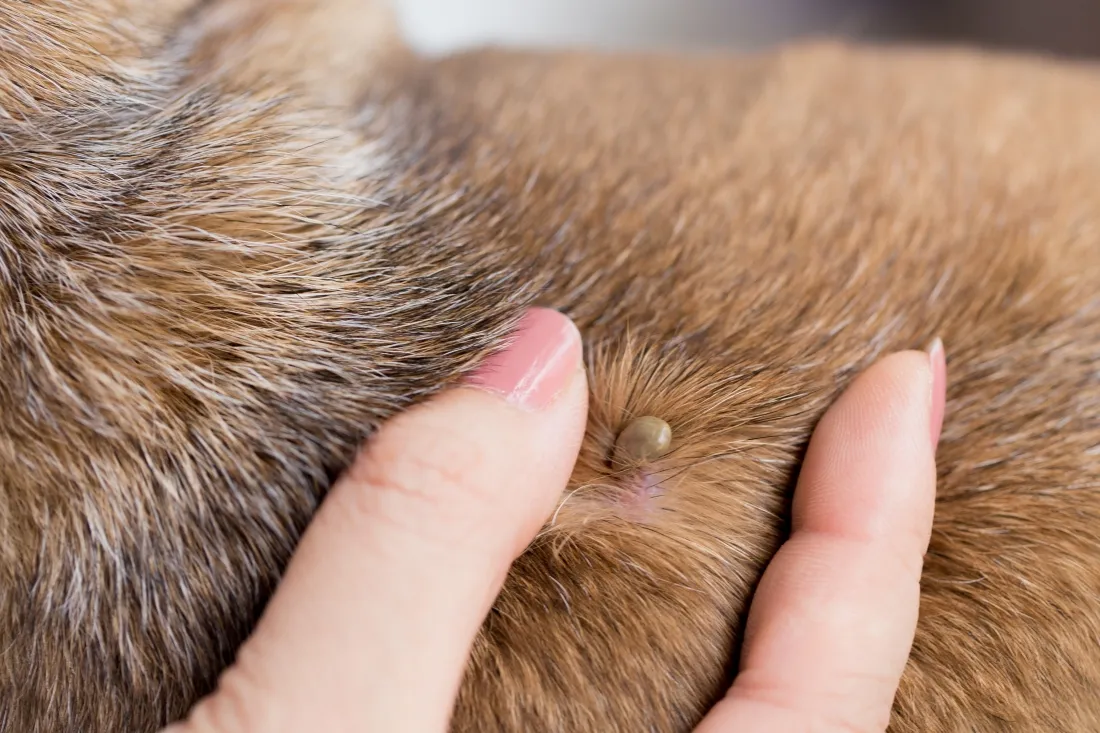
Parasite prevention runs year-round. Heartworm, fleas, and ticks pose constant threats regardless of season. Monthly preventive medications protect your dog and prevent infestations in your home.
Dental cleanings preserve overall health. Dental disease affects more than just teeth. Bacteria from infected gums enter the bloodstream and damage heart valves, kidneys, and liver. Professional cleanings under anesthesia remove tartar below the gum line where brushing can't reach.
Blood work screens for hidden diseases. Annual testing reveals early kidney dysfunction, liver problems, diabetes, or thyroid issues. Treatment works best when started before symptoms appear.
Weight management prevents chronic conditions. Obesity shortens lifespan and worsens arthritis, diabetes, and heart disease. Your veterinarian provides specific feeding guidelines and exercise recommendations for your dog's breed and activity level.
Senior Dog Medical Support (7+ Years)
Aging dogs require more frequent monitoring and specialized attention.
Bi-annual examinations become standard. Health changes accelerate after age seven. Seeing your veterinarian every six months allows for closer tracking of age-related conditions.
Comprehensive blood panels expand. Senior screening includes more extensive kidney and liver function tests, blood sugar measurements, and thyroid hormone levels. These tests detect changes that respond well to early intervention.
Arthritis management improves quality of life. Joint pain develops gradually. Your veterinarian can prescribe medications, recommend supplements, or suggest physical therapy before mobility becomes severely limited.
Vision and hearing assessments identify sensory decline. Many dogs adapt remarkably well to gradual loss, but knowing about these changes helps you modify your home environment and training approaches.
Cognitive function monitoring catches dementia signs. Senior dogs can develop confusion, altered sleep patterns, or house-training lapses. Medical interventions and environmental modifications can slow progression.
Cancer screenings increase in frequency. Older dogs face higher cancer risks. Your veterinarian will carefully examine lumps, check lymph nodes, and recommend imaging if anything seems suspicious.
Quality of life discussions become important. Your veterinarian helps you recognize when your dog experiences more bad days than good. Having these conversations early, before crisis moments, allows for thoughtful decision-making about end-of-life care.
Emergency and Urgent Care Services
Medical emergencies don't follow business hours. Knowing when to seek immediate help can save your dog's life.
Breathing difficulties require instant attention. Choking, severe coughing, or gasping indicates a life-threatening situation. Don't wait to see if it improves.
Trauma from accidents needs immediate evaluation. Vehicle strikes, falls, or dog attacks can cause internal injuries not visible externally. Even if your dog seems fine initially, hidden damage may be present.
Sudden collapse or seizures demand urgent care. Loss of consciousness, uncontrolled shaking, or inability to stand indicates serious neurological or metabolic problems.
Toxin ingestion becomes critical quickly. Common household items like chocolate, grapes, antifreeze, or certain plants can be fatal. Call ahead while transporting your dog so staff can prepare treatment.
Severe vomiting or diarrhea leads to dangerous dehydration. If your dog can't keep water down or has bloody stools, immediate intervention prevents organ damage.
Bloat kills rapidly. Large-breed dogs showing restless behavior, unsuccessful vomiting attempts, and distended abdomens need surgery within hours to survive.
Eye injuries require same-day treatment. Scratched corneas, sudden blindness, or eye discharge with squinting can result in permanent vision loss without prompt care.
Diagnostic Technology and Treatment Options
Modern veterinary medicine offers sophisticated tools for accurate diagnosis and effective treatment.
Digital radiography provides immediate imaging. X-rays reveal broken bones, foreign objects, bladder stones, and heart enlargement. Results appear within minutes instead of the hours required by traditional film processing.
Ultrasound examinations visualize soft tissues. This non-invasive technology shows organ structure, detects tumors, identifies pregnancy, and guides biopsy procedures.
In-house laboratory testing delivers fast results. Blood work, urinalysis, and other tests process on-site, eliminating delays from sending samples to external labs. Quick answers mean faster treatment starts.
Advanced surgical capabilities handle complex procedures. Modern anesthesia monitoring, sterile surgical suites, and specialized instruments make previously impossible surgeries routine and safe.
Preventive Care Programs and Wellness Plans
Structured preventive care makes comprehensive healthcare more affordable and ensures nothing gets missed.
Bundled services reduce overall costs. Wellness plans combine examinations, vaccines, parasite prevention, and blood work into monthly payments. This approach eliminates surprise bills and encourages regular care.
Scheduled reminders prevent lapses in care. Automatic notifications ensure you don't miss vaccine due dates or recommended screening tests.
Consistent veterinary relationships improve outcomes. Seeing the same team allows for better communication and deeper understanding of your dog's individual needs and history.
Choosing the Right Veterinary Partner
Your choice of healthcare provider affects your dog's entire life.
Location matters for emergencies. Staying within five miles of your home means faster access when minutes count.
Facility cleanliness reflects overall standards. Well-maintained examination rooms, organized reception areas, and clean kennels indicate attention to detail throughout all aspects of care.
Staff communication style impacts your experience. Veterinarians who explain conditions clearly, answer questions patiently, and involve you in treatment decisions create better outcomes.
Making Healthcare Work for Your Budget
Quality veterinary care doesn't require unlimited funds if you plan strategically.
Preventive care costs less than emergency treatment. Regular checkups and early intervention prevent expensive crisis situations.
Pet insurance works best when started young. Coverage before any health problems develop ensures maximum benefit throughout your dog's life.
Payment plans make major procedures manageable. Many hospitals offer financing options that spread costs over several months.
Your Dog Deserves Expert Care at Every Age
Your dog counts on you for health decisions they can't make themselves. Finding a dog veterinarian hospital that understands life-stage-specific needs ensures your companion receives appropriate care from playful puppy energy through dignified senior years. Silverado Veterinary Hospital serves South Calgary families with comprehensive services designed for dogs at every age, combining modern medical technology with compassionate, personalized attention your pet deserves.
Frequently Asked Questions
How often should I take my puppy to the veterinarian?
Puppies need visits every three to four weeks until they complete their vaccination series around 16 weeks old. After that, you'll return at six months for spay or neuter discussions, then annually for adult wellness care.
What's included in a senior dog wellness exam?
Senior examinations include complete physical assessment, comprehensive blood work checking kidney and liver function, urinalysis, blood pressure measurement, and discussions about mobility, cognitive function, and quality of life. These visits happen twice yearly for dogs over seven years old.
When should I go to an emergency veterinary hospital instead of waiting?
Seek immediate care for difficulty breathing, severe bleeding, inability to stand, seizures, suspected poisoning, bloat symptoms, eye injuries, or trauma from accidents. Call ahead while transporting your dog so staff can prepare.
Do wellness plans actually save money?
Wellness plans bundle annual examinations, vaccines, parasite prevention, and blood work into monthly payments. Most families save 15-20% compared to paying for each service separately, plus you avoid unexpected bills throughout the year.
At what age does my dog become a senior?
Most dogs reach senior status around seven years old, though giant breeds age faster and may be considered senior at five or six. Small breeds often don't show aging signs until eight or nine. Your veterinarian recommends increased monitoring based on your dog's specific breed and size.

























Sign in to leave a comment.