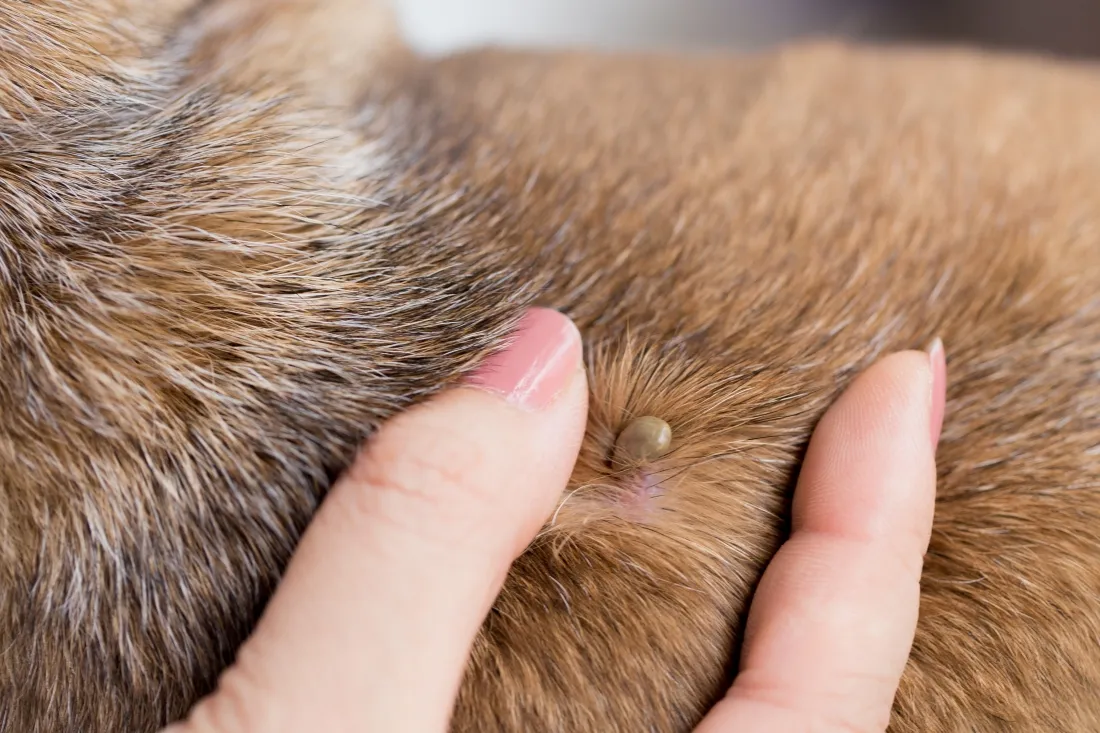

Rising Cases of Lyme Disease in Pets: What Every Pet Owner Should Know
Over the past few years, veterinarians and pet parents have observed a clear and concerning pattern: the increasing spread of Lyme disease in pets worldwide. What was once limited to specific geographic regions is now becoming a widespread health issue, particularly for dogs and, in rare cases, cats. Knowing why this rise is happening and how to safeguard your pet is crucial for responsible pet care.
What’s Causing the Increase in Lyme Disease?
1. Climate Change and Expanding Tick Habitats
Warmer global temperatures and increased humidity are creating ideal conditions for ticks to survive and multiply. As a result, ticks are spreading into regions that were previously too cold, exposing more pets to Lyme disease.
2. Growth of Urban Green Spaces
Modern cities are incorporating more parks, gardens, and green zones. While these spaces are great for exercise and recreation, they can also become breeding grounds for ticks, increasing the risk during everyday walks.
3. Wildlife Movement and Population Changes
Animals such as deer, rodents, and birds are natural carriers of ticks. As their populations grow and migration patterns shift, they introduce ticks into new environments bringing Lyme disease along with them.
4. Limited Awareness Among Pet Owners
Many people still associate Lyme disease primarily with humans. This misunderstanding often leads to missed preventive care and delayed diagnosis in pets, increasing the risk of complications.
How Lyme Disease Affects Pets
Dogs are the most commonly affected, and symptoms can be subtle in the early stages. Keep an eye out for:
- Fever and low energy
- Reduced appetite
- Joint pain or limping
- Swollen lymph nodes
If left untreated, Lyme disease can lead to serious health issues, including kidney complications.
Effective Lyme Disease Prevention for Pets
The good news is that Lyme disease is largely preventable with consistent care:
Regular Tick Inspections
After outdoor activities, carefully check your pet’s fur, ears, and paws for ticks.
Use Vet-Recommended Preventatives
Products like Bravecto Chew for Dogs or NexGard Chewables offer long-lasting protection and are widely recommended by veterinarians.
Maintain a Tick-Free Environment
Keep your lawn trimmed, remove leaf litter, and reduce shaded, damp areas where ticks thrive.
Limit Exposure to High-Risk Areas
During peak tick seasons, avoid dense grass, wooded trails, and areas known for heavy tick presence.
Routine Veterinary Check-Ups
Regular vet visits help detect early signs of illness and ensure your pet stays protected year-round.
Why Responsible Pet Care Matters
At PetCareClub, we believe prevention is always better than cure. Using trusted products and staying informed about emerging health risks like Lyme disease can make a significant difference. Combining expert advice with reliable preventatives helps ensure your pet stays safe in an evolving environment.
Final Thoughts
The rise of Lyme disease in pets is a growing global concern, but it’s manageable with the right approach. Awareness, prevention, and timely medical care can make all the difference in keeping your pet healthy and happy.
If your pet shows unusual symptoms or you suspect a tick bite, consult your veterinarian without delay. Early action is key to protecting your pet’s health.




























Sign in to leave a comment.