
Transporting a bike or car from one city to another in India has become increasingly common. Job transfers, student relocations, vehicle resale, and long-distance moves often make driving the vehicle yourself impractical. This is where door-to-door vehicle transportation services come into play — offering a convenient way to move vehicles safely without adding travel stress.
If you’ve never used such a service before, the process might seem complicated. In reality, professional bike or car transportation in India follows a structured system designed to keep the experience simple and organized.
Here’s a clear explanation of how door-to-door bike and car transportation works across India
What Does Door-to-Door Vehicle Transportation Mean?
Door-to-door transportation means your vehicle is picked up from your current location and delivered directly to your new address or the nearest accessible point.
Unlike terminal-based shipping, you don’t need to drop or collect your vehicle from warehouses or transport hubs. Movers handle pickup, transit coordination, and delivery logistics.
This service is widely used for:
- Intercity relocations
- Corporate transfers
- Students moving between cities
- Online vehicle purchases
- Seasonal relocation or long-term travel
Step-by-Step Process of Vehicle Transportation
1. Booking and Requirement Sharing
The process begins when you share basic details with the transporter:
- Pickup and delivery cities
- Vehicle type (bike or car)
- Preferred shifting date
- Vehicle condition
- Doorstep accessibility
Based on this information, transporters provide an estimated quotation and expected delivery timeline.
2. Vehicle Inspection and Documentation
Before pickup, the transporter verifies vehicle details and prepares documentation.
Typical checks include:
- Existing scratches or dents
- Fuel level confirmation
- Odometer reading
- Photograph documentation
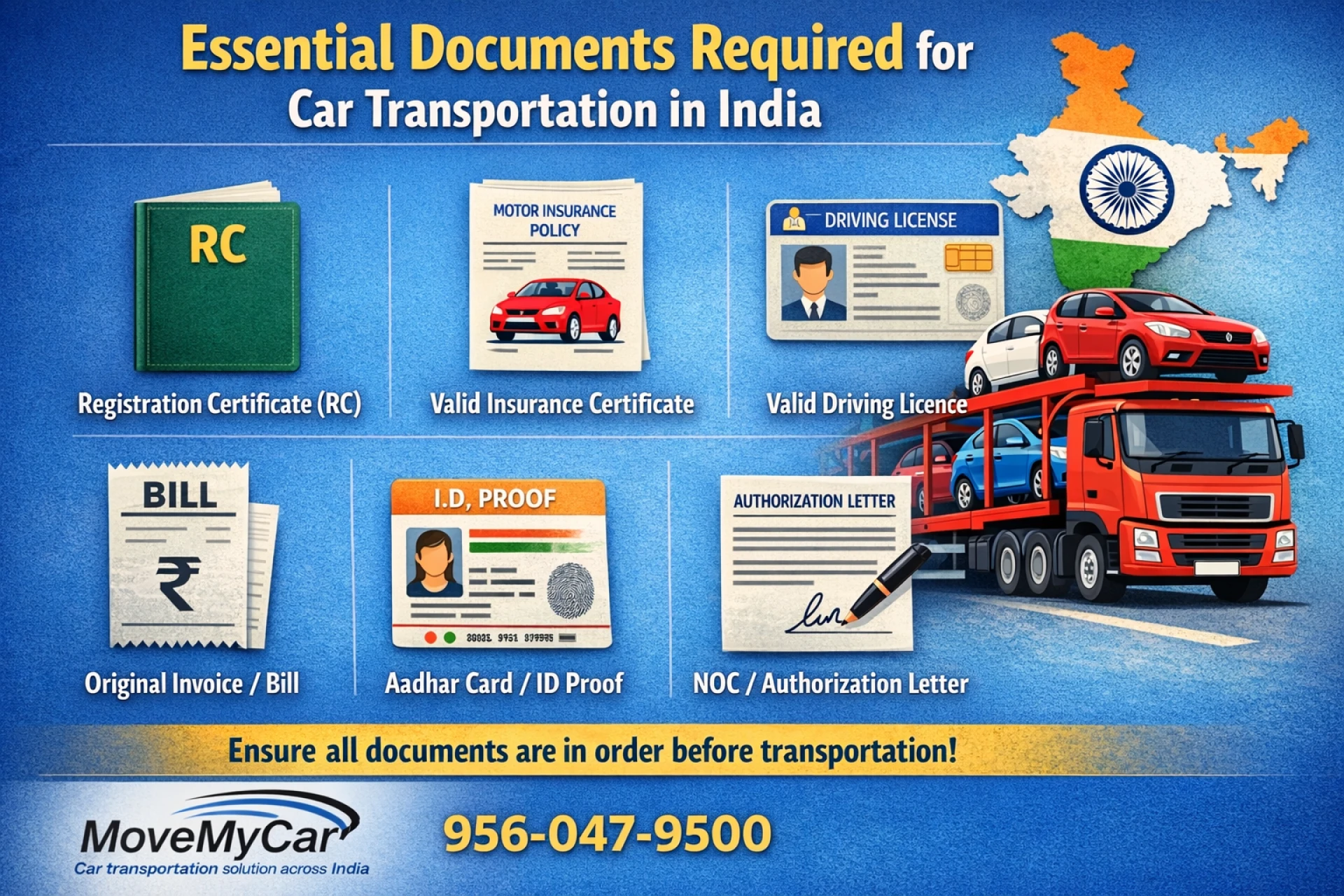
Customers are usually asked to provide:
- Vehicle RC copy
- Government ID proof
- Authorization letter (if required)
This step ensures transparency and avoids disputes after delivery.
3. Pickup from Your Location
On the scheduled date, the logistics team arrives at your doorstep or nearby accessible point.
For bikes:
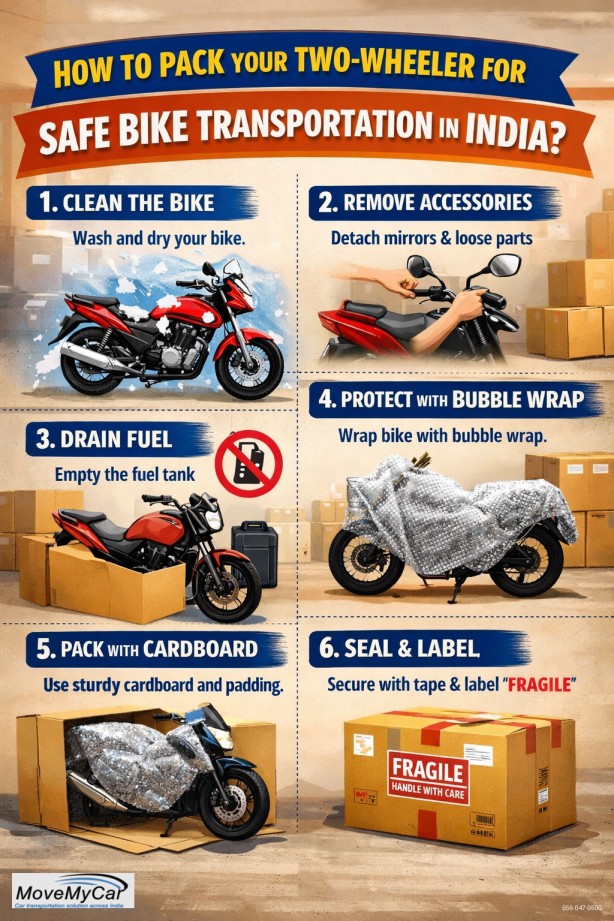
- Protective wrapping using bubble wrap or foam sheets
- Handle and mirror protection
- Secure tying for stability
For cars:
- Inspection checklist confirmation
- Loading onto a car carrier using hydraulic ramps
The vehicle is then transported to the main carrier truck if required.
Types of Vehicle Transportation Used
Open Carrier Transport
- Most economical option
- Multiple vehicles transported together
- Common for standard relocations
Enclosed Carrier Transport
- Covered container trucks
- Extra protection from dust and weather
- Preferred for premium or luxury vehicles
Customers can choose based on budget and vehicle value.
4. Transit and Tracking
Once dispatched, the vehicle travels through planned highway routes connecting major logistics hubs across India.
During transit:
- Vehicles remain fixed using wheel locks and straps.
- Drivers follow scheduled rest and safety protocols.
- Updates are shared through customer support or tracking assistance.
Transit time depends on distance, route conditions, and carrier availability.
Average Delivery Timelines
- 300–700 km: 2–4 days
- 700–1,500 km: 4–7 days
- 1,500+ km: 7–12 days
These timelines are approximate and may vary slightly.
5. Delivery at Destination
Once the vehicle reaches the destination city, the transporter schedules final delivery.
At delivery:
- Vehicle condition is inspected again.
- Photos may be compared with pickup records.
- Customer signs delivery confirmation.
If doorstep delivery is not accessible due to narrow roads or restrictions, vehicles are handed over at the nearest reachable location.
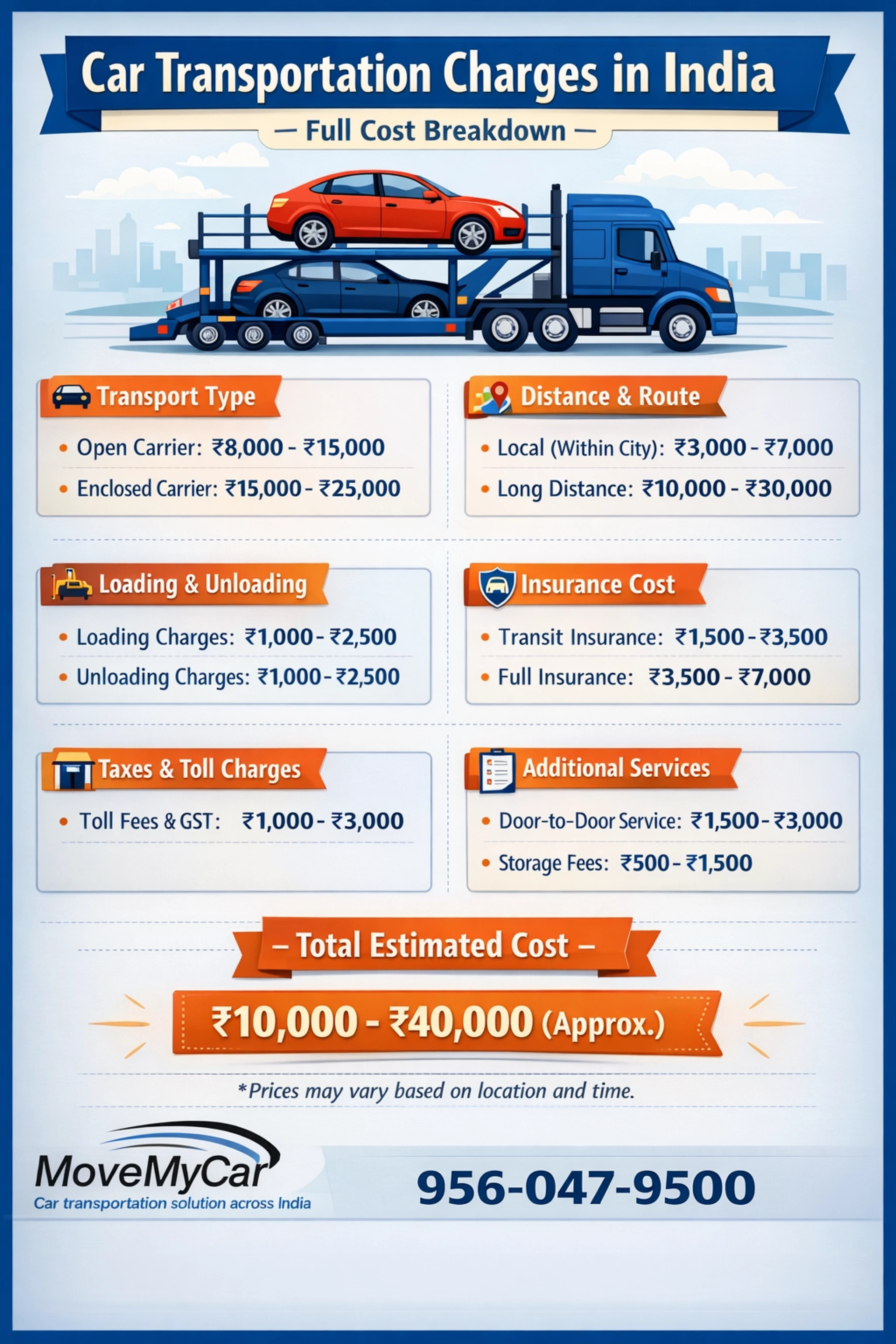
Approximate Cost Range
| Vehicle Type | Short Distance | Long Distance |
| Bike | ₹3,000 – ₹6,000 | ₹6,000 – ₹12,000 |
| Hatchback Car | ₹6,000 – ₹10,000 | ₹10,000 – ₹18,000 |
| Sedan/SUV | ₹8,000 – ₹14,000 | ₹14,000 – ₹25,000 |
Final quotations depend on operational requirements.
Safety Measures Followed by Professional Transporters
Reliable vehicle movers follow standardized safety practices:
- Multi-layer protective packing (for bikes)
- Wheel locking and belt securing
- Professional loading equipment
- Transit insurance options
- Route planning for minimal handling
These steps reduce risks during long-distance transportation.
Tips Before Handing Over Your Vehicle
To ensure a smooth experience:
- Remove personal belongings from the vehicle.
- Keep fuel level low (usually under 25%).
- Take clear photos before pickup.
- Disable alarms or FASTag auto-recharge if required.
- Keep spare keys ready for verification.
Small preparations help avoid delays and confusion during transit.
Why Door-to-Door Transportation Is Becoming Popular
Driving long distances across India involves fuel costs, toll expenses, fatigue, and potential wear on the vehicle. Door-to-door transport eliminates these concerns while saving time and effort.
Customers increasingly prefer this service because it offers:
- Convenience without travel stress
- Professional handling
- Predictable delivery planning
- Reduced vehicle wear and tear
Conclusion
Door-to-door car or bike transportation in India may sound technical at first, but the process is actually straightforward when handled by professional movers. From inspection and packing to secure transit and final delivery, every stage follows a structured workflow designed for safety and convenience.
Understanding how the process works helps you plan better, choose the right transport option, and confidently move your vehicle anywhere across the country without unnecessary complications.

Sign in to leave a comment.