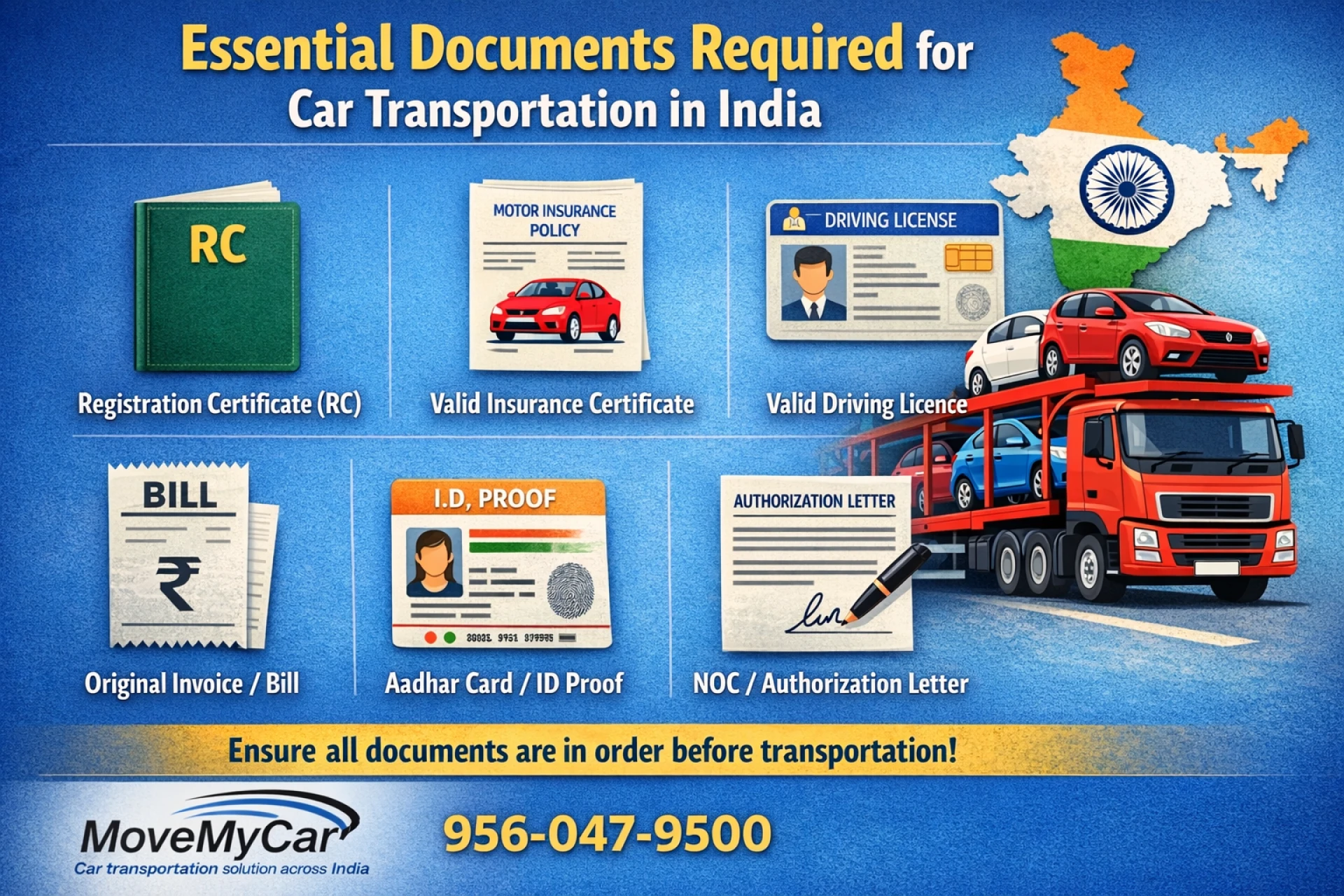

Transporting a car from one city to another in India has become increasingly common due to job relocations, education moves, and long-distance transfers. While professional car transport services simplify logistics, many vehicle owners overlook one crucial aspect — documentation. Proper paperwork is not just a formality; it ensures legal compliance, smooth interstate movement, and protection against disputes during transit.
Understanding which documents are required before car transportation in India can prevent delays, penalties, or last-minute complications. This guide explains the essential documents, why they matter, and how to prepare them correctly for hassle-free vehicle transportation.
Why Documentation Matters in Car Transportation
Car transportation involves moving a registered vehicle across state borders, which brings regulatory checks into the process. Transport carriers must comply with regional transport authority rules, highway inspections, and insurance requirements.
Documents verify vehicle ownership, confirm legal registration, and ensure that the car being transported is not stolen or under dispute. Without proper paperwork, carriers may refuse shipment or vehicles may face delays at interstate checkpoints.
Additionally, documentation protects customers by creating an official record of the vehicle’s condition and ownership during transit.
Essential Documents Required for Car Transportation in India
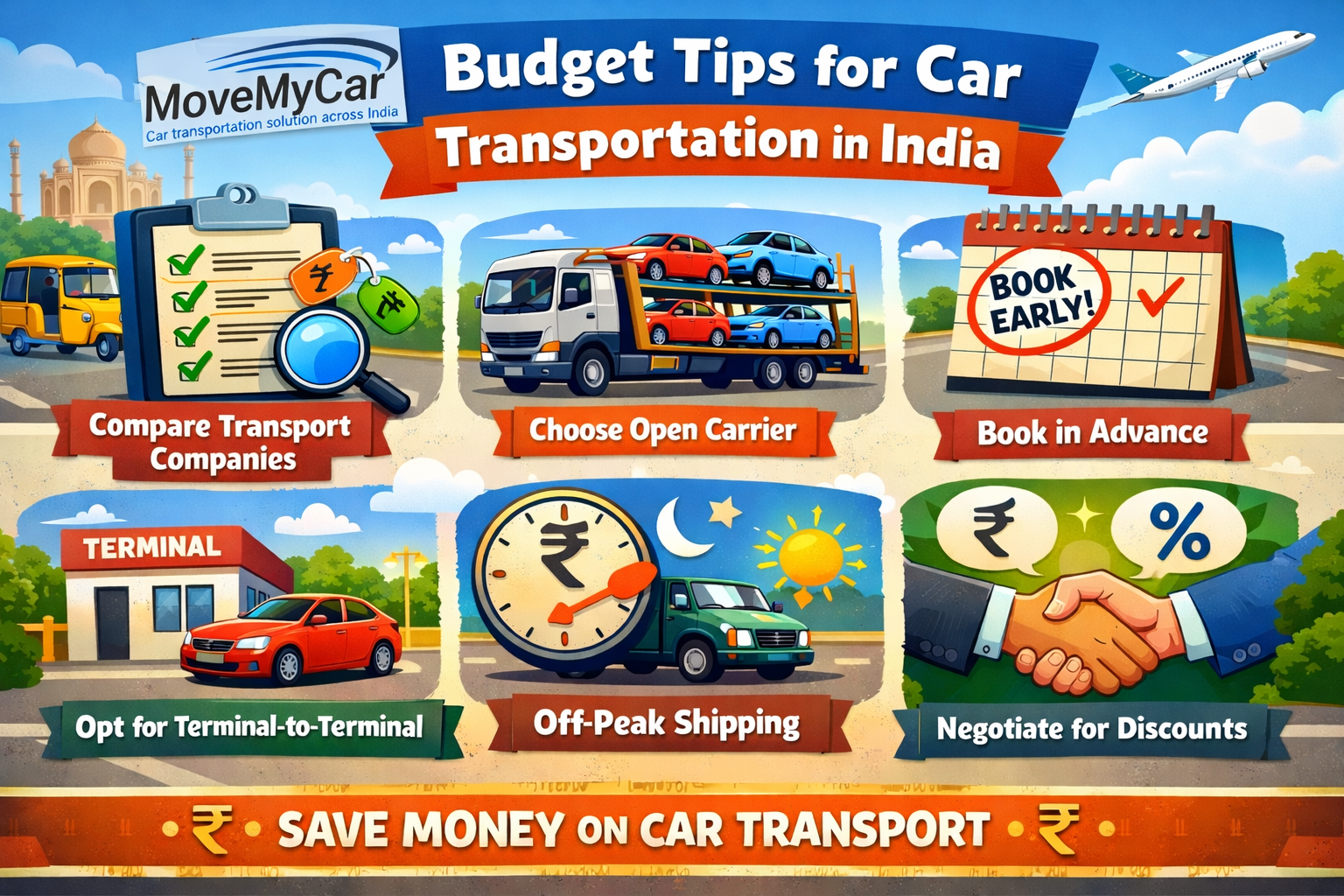
1. Registration Certificate (RC)
The Registration Certificate is the most important document required for vehicle transport. It proves legal ownership and registration under the Regional Transport Office (RTO).
Transporters typically request:
- A copy of the original RC (smart card or digital copy)
- Clear and readable details of registration number and owner name
Digital RC copies from DigiLocker or mParivahan are often accepted by transport companies.
2. Valid Insurance Certificate
A valid motor insurance policy is mandatory during transportation. Insurance ensures financial protection if accidental damage occurs while the vehicle is in transit.
Before shipping, confirm:
- Insurance validity dates
- Coverage type (third-party or comprehensive)
- Policy copy shared with transporter
Some logistics providers also offer additional transit insurance for long-distance moves.
3. Government ID Proof of Owner
Transporters require identity verification to confirm the vehicle owner’s authorization for shipment.
Accepted ID proofs usually include:
- Aadhaar Card
- Driving License
- Passport
- Voter ID
The name on the ID should match the RC details to avoid verification issues.
4. Authorization Letter (If Someone Else Is Handling Shipment)
If a friend, employee, or relocation company manages the transportation on your behalf, an authorization letter may be required.
This letter grants permission to hand over and receive the vehicle, preventing legal complications during pickup or delivery.
5. Pollution Under Control (PUC) Certificate
Although not always strictly checked during transport booking, a valid PUC certificate is recommended because interstate highway inspections may verify emission compliance.
Keeping this document updated avoids potential delays at checkpoints.
Additional Documents Sometimes Required
Depending on relocation type and state regulations, transporters may request additional paperwork:
- No Objection Certificate (NOC): Needed for permanent relocation or re-registration in another state.
- Loan NOC from Bank: Required if the vehicle is financed or under hypothecation.
- Delivery Challan or Transport Receipt: Issued by transporter for shipment tracking and proof.
These documents are usually clarified during booking discussions.
Digital Documents vs Physical Copies
With the adoption of digital vehicle records in India, many transporters now accept soft copies stored in government-approved apps like DigiLocker. However, keeping printed copies is still recommended for smoother verification during transit or delivery.
Maintaining both formats ensures flexibility if internet access is unavailable at checkpoints.
Common Mistakes to Avoid While Preparing Documents
Many transportation delays happen due to small documentation errors. Avoid these common mistakes:
- Sharing unclear or incomplete document copies
- Expired insurance or PUC certificates
- Name mismatch between RC and ID proof
- Forgetting authorization letters for third-party handling
- Submitting documents at the last minute
Preparing documents at least a few days before pickup helps transporters schedule shipments without interruption.
Conclusion
Yes, documents are absolutely required for car or bike shifting in India — not just for legal compliance but also for your own security and peace of mind. Proper paperwork ensures smooth interstate movement, protects against disputes, and helps transporters deliver vehicles without unnecessary delays.
By keeping essential documents ready — RC, insurance, ID proof, and supporting paperwork — you can make the entire car transportation process organized, safe, and stress-free from pickup to final delivery.




























Sign in to leave a comment.