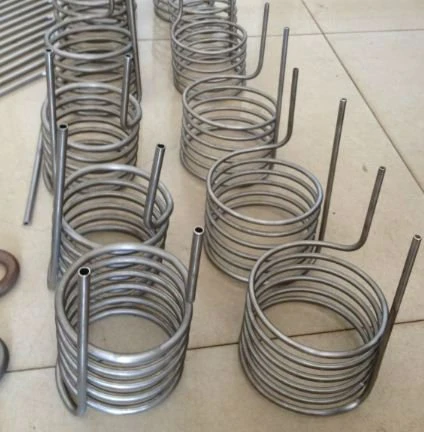

In the HVAC industry, not all jobs play by a particular rulebook. Whether it's space limitations, unusual environmental demands, or custom system needs, sometimes the best way to experience peak performance is to go bespoke. That's where custom coils enter the scene — designed solely to deliver under the demands off-the-shelf products can't.
In this ultimate guide, we'll discuss what custom coils are, when and why you'll need them, how they're made, and what to keep in mind to get the perfect fit for your HVAC system.
 ?
?
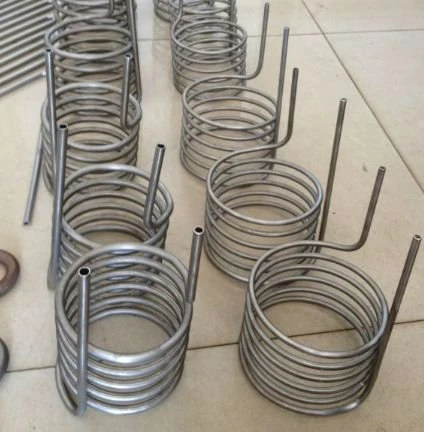
Special coils are heat exchangers produced and fabricated to precise requirements instead of nominal sizes or arrangements. They are generally utilized in niche HVAC applications where standard coils fail to provide the physical or performance characteristics necessary.
They can perform a variety of functions:
Cooling (Chilled Water or DX)
Heating (Hot Water, Steam, or Electric)
Dehumidification
Reheat or Condenser applications
From industrial process equipment to air handling units, custom coils provide the versatility to solve almost any problem.
Why Select Custom Coils?
????️ Retrofits & Replacements
Non-standard or older HVAC systems, for instance, tend to need exact-fit replacements. Custom coils enable you to duplicate existing dimensions and performance ratings, eliminating costly ductwork or housing modifications.
???? Special Operating Conditions
Severe temperatures, corrosive exposures, or very high humidity requirements demand special constructions and materials. Special coils may be constructed of stainless steel, epoxy-coated copper, or even exotic metal alloys such as titanium for this type of usage.
???? Space Requirements
In closely spaced mechanical spaces or small rooftop units, real estate is paramount. Custom coils are designed for maximum performance using available space to ensure both looks and functionality.
⚙️ Specific Performance Needs
Require a specific temperature reduction? High-pressure operation? Minimum air resistance? Custom designs enable you to optimize coil capacity, tube arrangement, fin density, and other attributes to achieve precise performance objectives.
Design Features of Custom HVAC Coils
All custom coils start with meticulous engineering and specification. Here's what usually goes into the design process:
1. Tube Material & Size
Most widely used: Copper due to its superior thermal conductivity.
Alternatives: Aluminum, stainless steel, cupronickel, or other materials depending on corrosion resistance and cost.
Common sizes: 3/8", 1/2", or 5/8" OD tubes.
Plain or grooved tubes, depending on heat transfer efficiency desired.
2. Fin Type & Density
Aluminum or copper fins are stacked to increase surface area.
Fin spacing (measured in FPI – fins per inch) affects airflow and heat transfer.
Zigzag, straight, and corrugated designs are options.
3. Coil Rows & Circuiting
More rows = more heat transfer but higher pressure drop.
Circuiting is designed to accommodate fluid flow rate and temperature control.
4. Construction of Frame
Frames may be constructed from galvanized steel, aluminum, stainless steel, or brass.
Fitted to closely insert within AHUs, fan coils, or ductwork.
5. Coatings & Protection
In harsh environments (e.g., coastal, chemical plants), coils may be epoxy-coated or coated with polyurethane or baked phenolic coatings.
Typical Applications of Custom Coils
Hospitals & Laboratories – Critical temperature and humidity control
Data Centers – Powerful cooling in minimal space
Pharmaceuticals – Cleanroom requirements and drying
Food Processing Plants – Special corrosion-resistant materials
Retrofit Projects – Duplication of original systems for efficient integration
Tips for Long-Term Maintenance and Reliability
Custom coils, similar to standard coils, need regular maintenance to work effectively year after year:
✅ Periodic Cleaning
Dust, grease, and biological growth can reduce heat transfer efficiency. Clean coils at least twice a year using appropriate cleaners.
???? Leak & Corrosion Checks
Inspect for signs of pinholes, green oxidation (on copper), or rust. Address early to prevent performance drops.
???? Monitor Airflow & Pressure Drop
A clogged or damaged coil will increase pressure drop. Regular checks ensure your system isn’t being overworked.
????️ Use Protective Coatings in Harsh Environments
Use epoxy or other anti-corrosive paint if coils will be exposed to salt air, chemicals, or water.
Dealing with a Custom Coil Fabricator: What to Provide
To create the proper coil, fabricators will generally request the following:
Height, width, depth
Material and size of tube
Number of rows
Fin material and FPI
Operating conditions (airflow, fluid type, temperature in/out)
Mounting or casing specifications
Environmental factors (corrosive conditions, humidity)
Delivering precise information guarantees your proprietary coil works perfectly as soon as it's installed.
Conclusion: One Size Fits None – And That's Just Fine
With today's sophisticated HVAC environment, flexibility rules. Whether you're upgrading a vintage coil, constructing a high-efficiency system, or coping with environmental extremes, custom coils deliver the accuracy, reliability, and efficiency you require.
When stock coils are inadequate, custom solutions guarantee that your system operates precisely as needed—no exceptions.










Sign in to leave a comment.