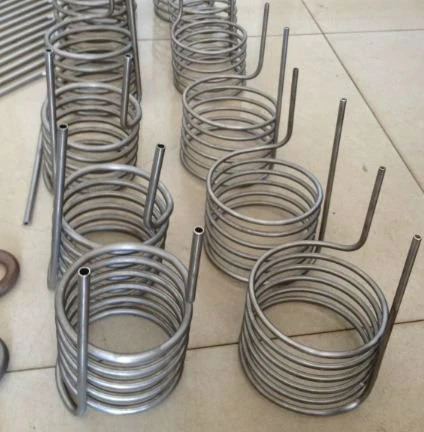

In the modern HVAC world, performance, efficiency, and flexibility are more crucial than ever. Although standard coils can satisfy basic system needs, there are numerous occasions when off-the-shelf options just don't cut it—literally or metaphorically. That's where custom HVAC coils enter the picture.
Custom coils are created to meet specific challenges, whether space is a concern, there's a particular thermal load, it's corrosive conditions, or it's retrofits on older systems. Here in this guide, we'll outline all that you need to know about custom HVAC coils—how they work, when to use them, and how they can revolutionize the performance of your HVAC system.
Custom HVAC coils are specially ordered heat exchangers that are crafted to meet special specifications and operating conditions. In contrast to generic coils that fit into a standard size and material set, custom coils are constructed from scratch according to the particular requirements of your project.
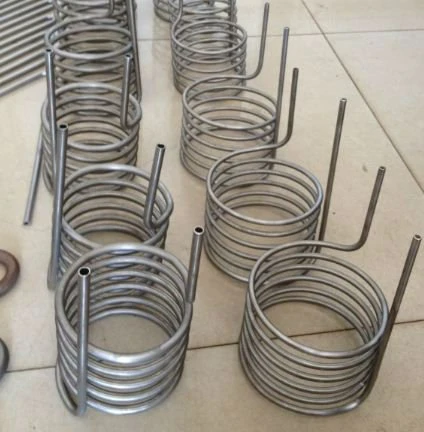
They can be made to fit a vast variety of shapes, sizes, materials, tube configurations, and fin patterns to satisfy the specific needs of your application—be it a compact rooftop unit, an industrial air handler, or a legacy system with out-of-date dimensions.
Why Use Custom Coils?
There are numerous reasons to choose the custom approach:
???? 1. System Compatibility
Discontinued or older equipment tends to have non-standard coil sizes. Using custom coils lets you replace or retrofit without changing the entire system.
????️ 2. Sensitive Performance Requirements
From extreme temperature gradients to high humidity applications, custom coils are tailored to enhance heat transfer and air handling for your specific needs.
???? 3. Limited Space
Mechanically tight rooms or small packages can require coils with special footprints. Special coils can be constructed to achieve optimal performance without occupying excessive space.
???? 4. Environmental Conditions
Special coils can be made from special coatings or materials (e.g., cupro-nickel, stainless steel, epoxy coatings) to be used in marine, coastal, or chemical environments where corrosion resistance is desired.
???? 5. Energy Efficiency
A well-designed custom coil can enhance airflow, lower compressor load, and save energy—particularly in year-round operating systems.
Important Design Factors for Custom Coils
Designing a custom coil is not merely selecting a size—it's about achieving the ideal balance between thermal performance, airflow, longevity, and maintenance.
Here's what manufacturers usually evaluate:
✅ Tube Size and Layout
Typical diameters: 3/8", 1/2", 5/8"
Tube material: Copper, stainless steel, aluminum
Grooved or smooth tubes based on heat transfer requirements
✅ Fin Type and Density
Material: Aluminum, copper, epoxy-coated aluminum
Fin spacing (FPI): Affects airflow resistance and thermal capacity
Design: Zigzag for turbulence generation, straight for simplicity in cleaning
✅ Coil Rows and Face Area
Greater number of rows = greater capacity, but also greater resistance. Balance to get maximum surface area with minimal pressure drop.
✅ Circuiting and Flow Patterns
Interlaced, full-face, or face-split circuiting designs
Designed for uniform fluid flow and avoiding hot spots or freezing
✅ Frame and Mounting Options
Frames are made to order to allow for trouble-free mounting. The materials are chosen according to the operating conditions.
Uses of Custom HVAC Coils
Custom coils find application in a wide range of industries:
???? Commercial complexes – Offices, malls, and hotels with custom HVAC loads
???? Industrial plants – Factories, refineries, or warehouses with stringent specs
???? Labs and hospitals – Where temperature control and air cleanliness are paramount
????️ Retrofit jobs – Replacing old or discontinued equipment
???? Ship and coastal uses – Corrosion-resistant coils for salt-air environments
Tips for Maintaining Custom Coils
After installation, keeping your custom coil maintained is the secret to long-term performance:
Frequent cleaning of fins to clear dirt, debris, and mold
Visual inspection for corrosion, scale, or leakage
Careful filter replacement to avoid blocking coils
Verify airflow and refrigerant pressures on a regular basis to prevent freezing of the coil
Utilize fin combs to repair bent fins and maintain airflow
A well-cleaned and well-maintained coil will last years more and function 30% more efficiently compared to a dirty coil.
Conclusion: Custom Coils, Customized Efficiency
Custom HVAC coils aren’t just about fitting into a tricky space—they’re about designing smarter solutions for better performance, energy savings, and long-term durability. Whether you’re replacing a coil in an old AHU, designing a high-performance cooling system, or dealing with an aggressive environment, a custom coil can elevate your system’s potential.
With the proper partner, the process of designing and installing a custom coil is easy, accurate, and well worth the cost.











Sign in to leave a comment.