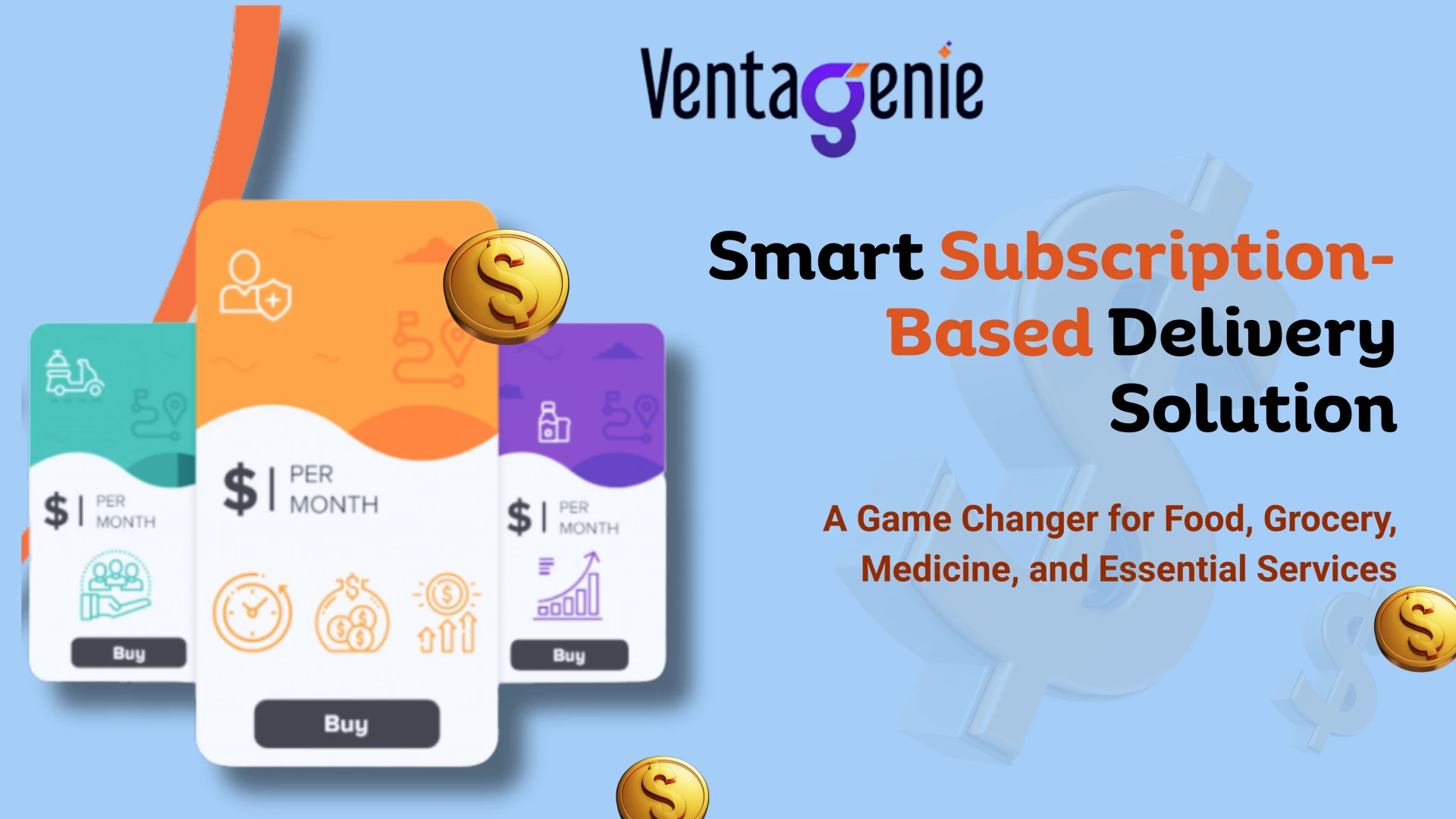

In a world that values convenience and consistency, subscription-based delivery models are reshaping how businesses deliver food, groceries, medicines, and other essentials. From startups to established enterprises, this model is proving to be a game-changer across industries.
This article dives into how subscription delivery apps work, why they’re gaining momentum, and how you can build one to stay ahead in 2025 and beyond.
🔄 What is a Subscription-Based Delivery Model?
A subscription-based delivery model allows customers to receive products or services at regular intervals—daily, weekly, or monthly—by paying a recurring fee.
Think of it as Netflix, but for groceries, medicines, and meals.
Popular examples include:
- Weekly organic vegetable deliveries
- Monthly meal kits
- Medicine refills on auto-pilot
- Daily milk or newspaper drop-offs
📱 How Does a Subscription Delivery App Work?
A subscription delivery app automates the recurring ordering process. Here's a simple breakdown of how it works:
- Customer Sign-Up – Choose products, select a delivery frequency, and subscribe.
- Payment Setup – Secure recurring payments via integrated gateways.
- Order Management – Automated order generation as per the schedule.
- Real-Time Tracking – Users track deliveries and receive notifications.
- Flexibility – Pause, skip, or cancel subscriptions easily.
✅ Example: A user subscribes to a weekly grocery box. Every Sunday, the app auto-generates the order, notifies the user, and schedules the delivery – all without extra effort.
💡 Industries Benefiting from Subscription Models
- Food & Meal Delivery – Pre-set weekly meal plans, custom diets.
- Grocery & Essentials – Milk, bread, vegetables, toiletries.
- Medicine & Health – Prescription refills, supplements.
- Pet Supplies – Food, grooming, and hygiene products.
- Cleaning Products – Dishwashing liquids, laundry detergents, etc.
🚀 Why Businesses Are Shifting to Subscription Models
Benefit How It Helps
📈 Predictable Revenue Stable cash flow via recurring payments
🛒 Customer Retention Build long-term relationships
⏱️ Convenience Reduces friction in repeat purchases
💰 Cost-Efficient Less marketing spend for repeat sales
🔁 Data-Driven Personalized offers via order history & behavior
🔍 Key Features of a Subscription Delivery App
Here’s what every top-tier subscription app should include:
- Recurring Payment Gateway Integration
- Customizable Subscription Plans
- Order Rescheduling & Pause Options
- Real-Time Delivery Tracking
- Push Notifications & Alerts
- Admin Dashboard for Business Control
- Analytics & Reports
🌍 Global Trends Driving Subscription-Based Apps
- Over 50% of millennials in the UK and USA prefer subscriptions over one-time purchases.
- The global subscription economy is projected to reach $1.5 trillion by 2025.
- Businesses offering subscriptions see up to 40% higher customer lifetime value.
📊 Stat: Companies that switch to subscription-based models grow their revenue 5x faster than those using traditional models.
🔧 Build Your Own Subscription Delivery App
Whether you’re launching a new venture or enhancing an existing one, a custom subscription delivery app is essential.
At Ventagenie, we build cutting-edge delivery app solutions tailored to your niche—food, grocery, medicine, logistics, and more.
✅ Real-time tracking
✅ Scalable multi-chain setup
✅ Route optimization
✅ Smart delivery scheduling
✅ Branded web & mobile apps
Subscription-based delivery models aren’t just a trend—they're the future of convenience-driven commerce. If you're in the food, grocery, medicine, or essential services sector, now is the perfect time to tap into this powerful business model.
💬 Need help launching your own subscription-based delivery app? Let’s build it together—custom, scalable, and future-ready.
📞 Schedule a Free Consultation
📚 FAQs
Q: What’s the difference between a subscription app and an on-demand delivery app? A: A subscription app delivers at regular intervals automatically. On-demand apps require users to place a new order each time.
Q: Can I customize subscription cycles?
A: Yes. With modern delivery apps, users can choose daily, weekly, bi-weekly, or monthly subscriptions.
Q: Is this model profitable for small businesses?
A: Absolutely. It reduces customer churn and provides predictable revenue streams.





















Sign in to leave a comment.