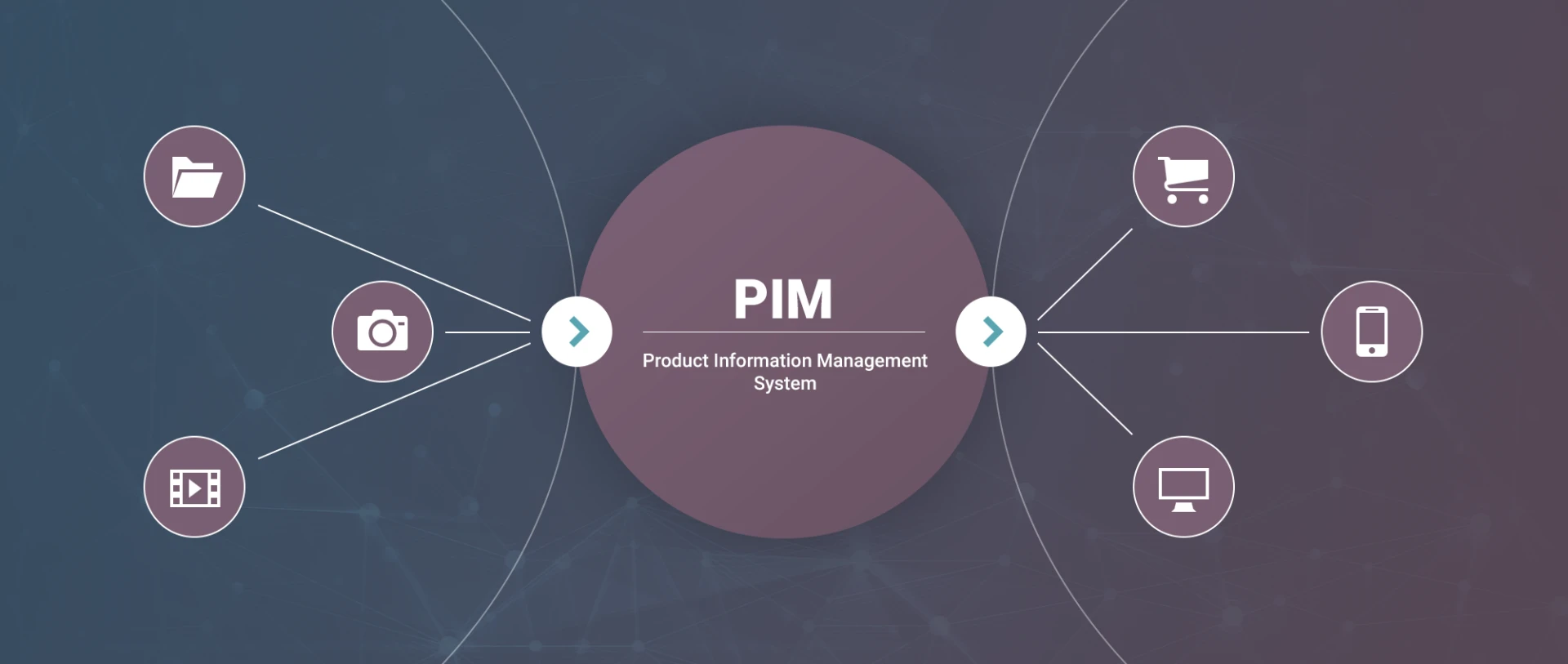

For product-focused businesses, accurate information and consistent quality are vital. But when the PIM (Product Information Management) system and the QMS system (Quality Management System) are disconnected, key data becomes fragmented. This disconnect leads to errors, delays, and risks across the entire product lifecycle.
This article outlines the operational, compliance, and commercial costs of separating PIM and QMS and why integration matters.
Compliance Risks from Data Gaps
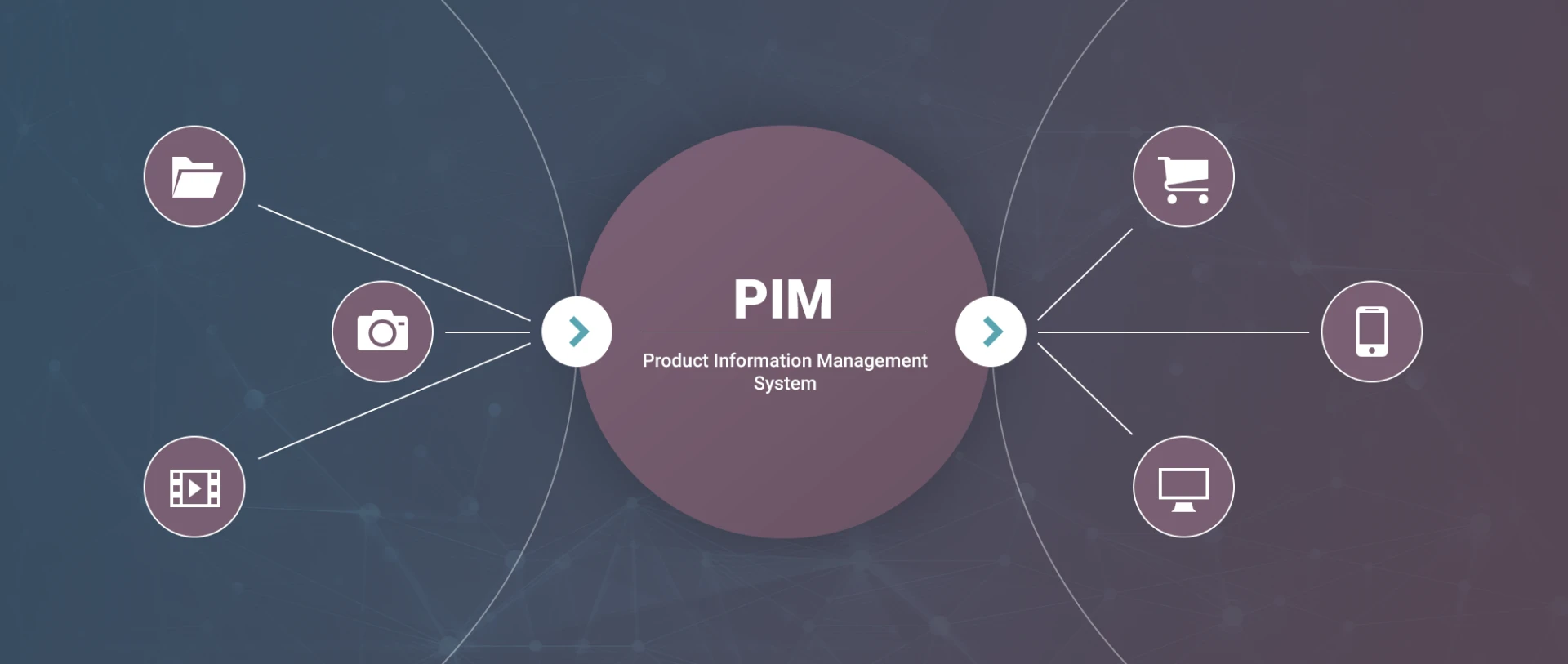
When a product goes to market, both regulatory compliance and internal quality standards must be met. The QMS system handles documentation for audits, product testing, CAPAs (Corrective and Preventive Actions), and version control. Meanwhile, the PIM system manages product specs, labels, packaging information, and descriptions distributed across sales channels.
If the systems aren’t connected:
● The PIM may display outdated product specs or safety information.
● Compliance teams may lack visibility into what customers are being shown or sold.
● Regulatory audits can be failed due to inconsistent or missing product documentation.
For regulated industries (medical devices, electronics, etc.), this disconnect can result in warnings, fines, or forced product recalls.
Delays in Product Launches
Time-to-market is a competitive metric in every product-driven business. But when the PIM system is missing critical updates from the QMS system, marketing teams may hold off on promotions or launch materials while waiting for accurate specs or certification data.
Take a product update, for example. If a key material change is approved through a CAPA process in the QMS, and that update isn’t reflected in the PIM, the team handling packaging or online descriptions might keep using outdated information. That means packaging redesigns are delayed, digital storefronts display incorrect specs, and customers are confused, or worse, misled.
In high-speed markets, even a two-week delay can cost valuable sales, create excess inventory, and open the door for competitors.
Breakdown in Cross-Team Alignment
Accurate product delivery relies on cross-functional teams having access to the same data. Disconnected systems mean:
● Engineering uses approved specs from the QMS.
● Sales and eCommerce use outdated data from the PIM system.
● Customer service handles complaints based on incomplete or inconsistent information.
This results in confusion, internal friction, and a higher volume of preventable support issues. When both systems operate independently, it’s unclear which version of the data is correct. Teams make assumptions or rely on manual checks, increasing the chance of error.
Impact on Customer Trust and Brand Reputation
When product information is inaccurate, trust erodes. Common issues include:
● Incorrect dimensions or performance specs online
● Safety instructions missing updated warnings
● Packaging not aligned with the approved quality standard
These issues are often the result of PIM not receiving the latest updates from the QMS. Customers notice inconsistencies, and in some cases, experience product failures or safety concerns. The result is damage to brand reputation and an increase in returns or complaints.
Increased Operational Costs
When PIM and QMS aren’t integrated, teams must manually update and verify product data across platforms. This slows workflows and increases the risk of errors. Quality teams may repeat reviews due to outdated specs, while marketing or packaging relies on incorrect product details. Each disconnect creates extra work like tracking changes, correcting documents, re-communicating updates which waste hours across departments. Over time, this adds up to higher labor costs, delayed projects, and reduced operational efficiency.
Why Integration Matters
Solving this isn’t just about efficiency. It’s about enabling reliable, consistent product delivery across the board.
When your PIM and QMS are integrated, every change, be it a compliance approval, a supplier update, or a non-conformance action, can automatically reflect across all relevant product records. This ensures that the data used by marketing, sales, procurement, and operations is accurate, up to date, and consistent with the product’s actual state.
Integration reduces the manual effort of keeping systems in sync, lowers the risk of human error, and empowers teams to work with confidence. It also creates a unified source of truth, where quality data and product information coexist and reinforce each other.
Conclusion
Disconnected systems create more than just inefficiencies, they introduce risk at every stage. The cost of misaligned product and quality data is seen in failed audits, launch delays, and lost customer confidence.
Aligning your product information management system with your QMS is a strategic move. It removes silos, improves data accuracy, and enables teams to operate at the speed modern markets demand.



























Sign in to leave a comment.