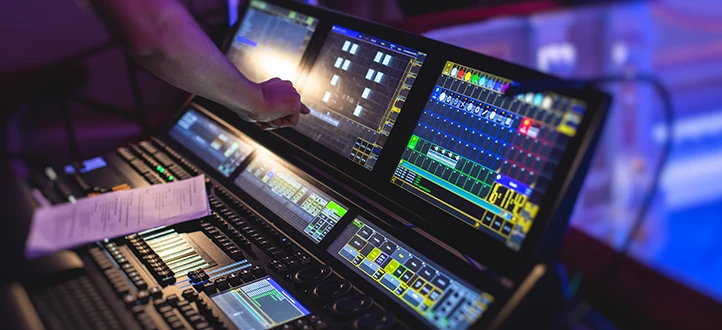

Creating a captivating light show is a complex process that requires a blend of artistic vision, technical expertise, and strategic planning. Light shows enhance the mood and amplify the overall experience for concerts or corporate galas, leaving audiences in awe. Here’s a look at the concepts, designs, and industry secrets for setting up a professional light show.
Conceptualizing the Vision
Every great light show begins with a vision. The event’s theme, audience, and purpose drive this creative process. For example, a high-energy concert demands vibrant, pulsating lights synchronized to the music, while a corporate event might require subtle, elegant lighting to highlight key speakers or products. If you are hosting an event in Houston, collaborating with a lighting company Houston can give you access to creative designers who can translate these ideas into reality.
Important questions during this phase include:
- What mood should the lighting convey?
- How can lights enhance the event’s key moments?
- What type of fixtures and effects best suit the venue?
Answering these questions provides the foundation for a cohesive and impactful lighting design.
Designing the Setup
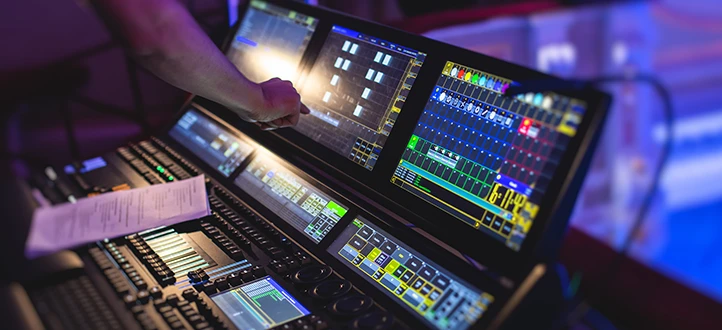
Once the vision is clear, the design phase begins. This involves mapping out the placement of lighting fixtures, programming sequences, and planning to integrate other audiovisual elements. A professional company offering AV equipment rental Houston will likely rely on specialized software to create detailed lighting plots and simulations.
1. Fixture Selection
The type of fixtures used depends on the event’s needs. Common options include:
- Spotlights: Focused beams to highlight performers or speakers.
- Wash Lights: Broad beams that illuminate large areas.
- Moving Heads: Versatile fixtures capable of dynamic movements.
- LED Strips: Energy-efficient options for colorful effects.
Each fixture plays a specific role, from setting the ambiance to creating dramatic effects.
2. Color and Effects
Colors evoke emotions and set the tone for events. Designers use color theory to choose combinations that match the event’s mood. Effects like strobe lights, gobo patterns, and laser beams add excitement, especially for live performances.
3. Timing and Synchronization
Timing is everything in a light show. Synchronizing lights with music or other audiovisual elements ensures a stellar experience. Advanced controllers and software make it possible to pre-program intricate sequences, allowing for precision and consistency.
Industry Secrets for Stunning Light Shows
Behind every dazzling light show are trade secrets professionals use to create unforgettable effects. Here are some insider tips:
1. Layering
Layering different types of lights adds depth and dimension to a show. For instance, combining moving heads with static washes creates a dynamic, multi-dimensional look.
2. Use of Negative Space
Strategic use of darkness can be as powerful as light. Periodically dimming the lights draws attention to specific moments or builds anticipation.
3. Customization
Custom gobo patterns or LED displays tailored to the event theme elevate the experience. Working with a lighting company in Houston can give you access to these specialized options.
4. Testing and Adjustments
Thorough testing is crucial to identify potential issues. An expert company that offers AV equipment rental in Houston will conduct multiple rehearsals to fine-tune the setup and address last-minute changes.
Overcoming Challenges
Setting up a light show comes with its challenges. These include:
- Venue Limitations: Different venues have unique constraints, such as ceiling height or power availability. Professionals adapt their designs to suit these conditions.
- Technical Failures: Backup systems and skilled technicians ensure the show goes on, even if equipment malfunctions.
- Last-Minute Changes: Flexibility and quick thinking are essential for accommodating unexpected adjustments.
Real-World Applications
Specialized lighting or light shows will likely play a role in any major event you attend – including music festivals and corporate conferences. For example:
- Concerts: Dynamic lighting synchronized with music amplifies the energy of live performances.
- Corporate Events: Subtle lighting highlights products, logos, and speakers, creating a professional atmosphere.
- Weddings and Galas: Soft, romantic lighting sets the mood for elegant celebrations.
Conclusion
Setting up a light show is an art form that involves technical skills and combines creativity, precision, and problem-solving. Every step, from initial concepts to the final performance, plays a crucial role in creating memorable events. Event organizers can transform their vision into reality by partnering with industry experts. The result? A stunning display that leaves audiences talking long after the lights go out.























Sign in to leave a comment.