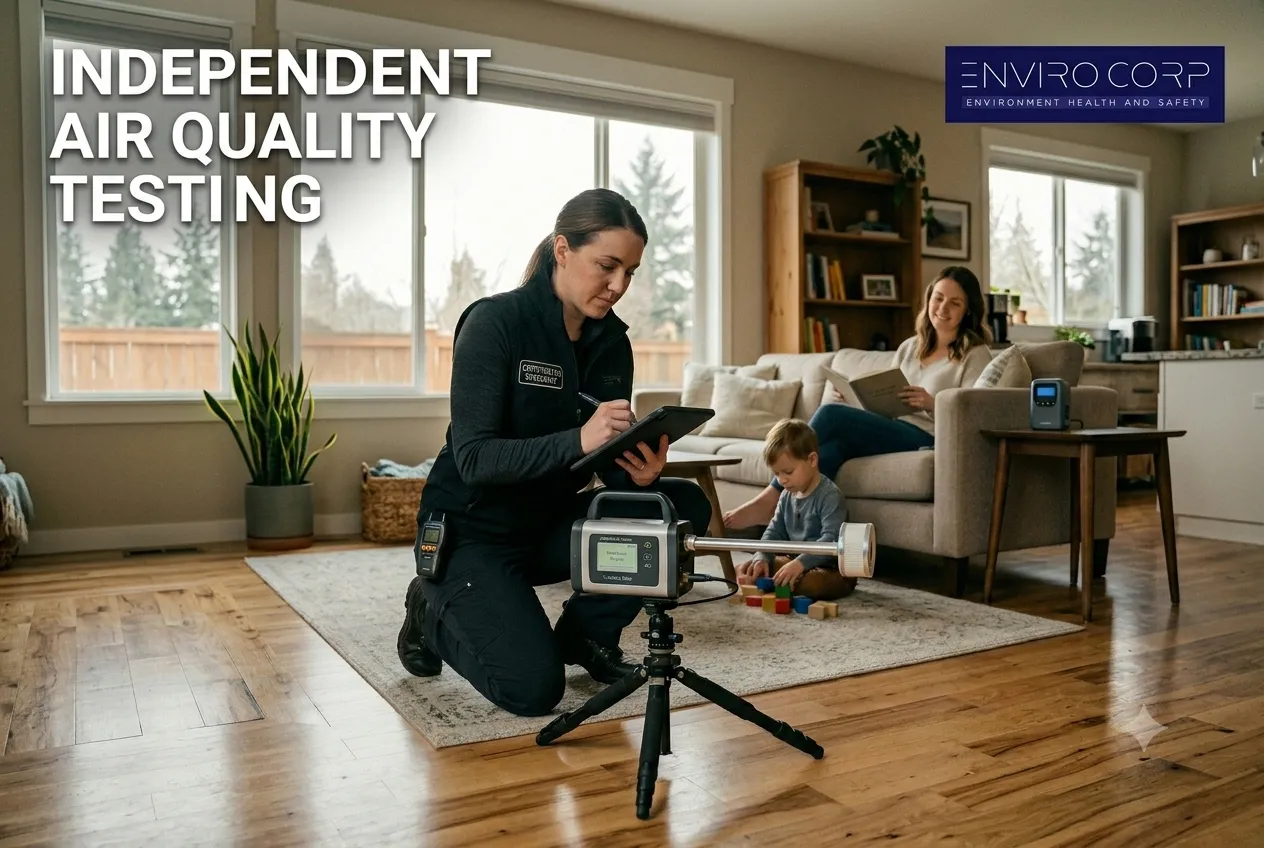

We spend a massive portion of our lives indoors, whether we are relaxing at home, working in an office, or shopping in local businesses. Yet, while we quickly notice dust on a table or a spill on the floor, the microscopic elements floating in our indoor air remain completely invisible. When health issues arise or strange smells linger, many people turn to independent air quality testing to find unbiased answers and ensure their environment is safe. This comprehensive guide answers the most critical questions surrounding professional air assessments, helping you understand how to achieve clean indoor air without falling for common industry sales traps.
Understanding The Core Concepts
What is independent air quality testing?
Independent air quality testing is an unbiased, scientific evaluation of the indoor air within a residential or commercial building. This assessment is performed by a certified environmental specialist who does not have an economic interest in the outcome.
The word independent serves as the most important pillar of this service. It guarantees that the provider is solely paid to gather data and deliver facts. They do not sell air purifiers, they do not offer air duct cleaning services, and they do not run a mold remediation business. This structural separation ensures that you receive completely objective information without any pressure to buy expensive follow-up services.
Why should I choose an independent tester over a traditional restoration contractor?
Hiring a company to both diagnose an indoor air issue and perform the cleanup creates an immediate, undeniable conflict of interest. A restoration or remediation company makes its profit by finding substantial problems that require costly physical labor to fix.
True consumer protection relies on a strict separation of duties. An independent environmental professional acts like a doctor who diagnoses an illness, while a remediation contractor acts like the pharmacy filling a specific prescription. You should never let the person selling the cure perform the diagnosis. By utilizing an independent specialist, you gain an advocate who can tell you if a problem is minor or severe. This keeps remediation contractors honest, preventing them from inflating the scope of their work or recommending thousands of dollars in unnecessary renovations.
Why can I not just purchase a cheap DIY air testing kit from a local store?
It is incredibly common for property owners to try saving money by picking up a retail testing kit. While these retail products seem convenient, leading environmental professionals rarely recommend them due to several major flaws.
First, most store-bought kits utilize open-air settling plates. These dishes easily collect common, harmless ambient dust particles during regular handling, leading to alarming results that cause unnecessary panic. Second, a DIY kit cannot evaluate indoor air against a local outdoor control sample. Without understanding the surrounding outdoor environment, it is scientifically impossible to determine if an indoor reading is actually hazardous or completely normal. Finally, a retail kit typically monitors only one specific environmental threat at a time, completely missing hidden chemical emissions, gaseous hazards, and microscopic particulate accumulation that could be causing your discomfort.
Identifying Needs & Recognizing Triggers
What are the main warning signs that indicate I need an indoor air inspection?
Many property owners struggle to decide when it is time to invest in a professional assessment. You should consider booking a walkthrough if you notice common environmental red flags like unexplained health symptoms. This includes experiencing frequent headaches, watery eyes, sinus irritation, chronic coughing, or unusual lethargy that worsens when you spend time indoors but improves significantly when you leave the building.
Persistent or unusual odors are another major trigger. You might detect musty, earthy, or damp scents that hint at hidden moisture issues, or deal with sharp chemical odors after bringing in new furnishings, cabinetry, or flooring materials. Structural clues also provide warning, such as observing unusual moisture condensation on windows, discovering unexpected discolored patches along drywall or baseboards, or noticing heavy dust buildup despite maintaining a rigorous cleaning schedule. Many people also schedule tests during significant property milestones, such as navigating a real estate transaction, preparing a nursery for a newborn, or finalizing a major structural renovation project.
How does indoor air quality impact long-term personal health?
The air inside a building can carry a complex mixture of microscopic elements that impact human well-being. When sub-par air is continuously inhaled, invisible particles can bypass natural respiratory defenses and cause ongoing physical strain.
Over extended periods, breathing compromised indoor air can trigger severe allergic reactions, aggravate pre-existing asthma, and cause ongoing sinus inflammation. It can also lead to chronic fatigue, recurring headaches, and heightened sensitivity to ordinary everyday materials. Addressing these issues early prevents minor environmental irritants from turning into long-term wellness challenges.
Navigating The Onsite Assessment
What exactly happens during a professional air quality assessment visit?
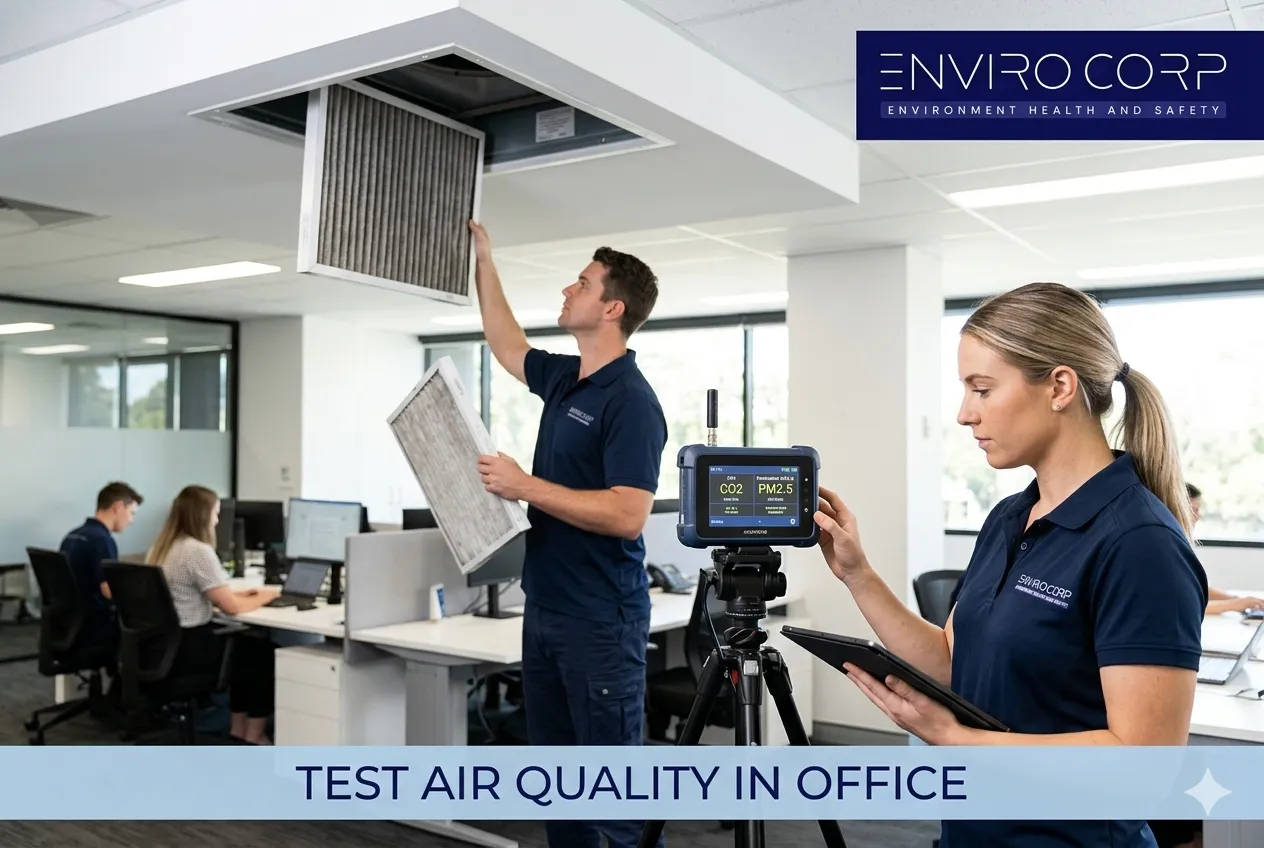
When an environmental specialist arrives at your property, they conduct a highly detailed, systematic evaluation of the entire indoor environment. Rather than relying on simple guesswork, the expert conducts a physical walkthrough to analyze building layout, observe structural dynamics, and measure overall airflow patterns across multiple rooms.
The inspector focuses heavily on identifying hidden moisture pathways, structural weak points, and ventilation deficiencies where hidden environmental issues typically thrive. By evaluating the property as a complete, interconnected system, the specialist ensures that all potential problem areas are accounted for before providing their professional conclusions.
How long does the onsite visit take, and when will I receive the final results?
The physical walkthrough and data collection process generally takes between one and three hours to complete, depending on the overall size and complexity of the building. Once the onsite work is finalized, processing the collected field data and generating the official documentation typically takes between two and five business days. This timeframe ensures that every detail is verified, resulting in a comprehensive, easy-to-read final assessment.
Empowering Consumers & Next Steps
How can I verify that an environmental company is genuinely independent?
Before signing any service agreements or paying an upfront deposit, safeguard your investment by asking the provider direct questions about their business model. Start by asking if they offer remediation, mold removal, structural repairs, or filtration equipment sales. The answer should be a definitive no.
Next, find out if their field findings are evaluated through an independent, accredited third-party laboratory, which should return a definitive yes. Finally, ask what specific industry credentials and professional certifications their inspectors hold. You want to look for recognised designations from trusted organisations like the American Council for Accredited Certification to ensure you are dealing with a qualified expert.
What should I do if my final assessment report reveals a significant issue?
If your official documentation indicates high concentrations of indoor pollutants, there is no reason to panic. Your independent inspector will provide an objective, step-by-step remediation protocol detailing exactly what needs to be corrected.
You can hand this precise document directly to licensed mitigation contractors in your area. Because the contractor will be following a strict blueprint created by an independent third party, they cannot inflate their repair bills or charge you for unnecessary work. Once the repairs are complete, you can bring your independent tester back to perform a post-clearance verification, ensuring the air is completely clean and safe to breathe once again.





















Sign in to leave a comment.