
Have you ever noticed how the energy shifts in your workplace as the day goes on? You start the morning feeling sharp, focused, and ready to tackle your to-do list. But by mid-afternoon, a wave of sluggishness settles over the room. People start rubbing their eyes, reaching for a third cup of coffee, or stretching to shake off a sudden headache. We almost always blame these moments on poor sleep, a heavy lunch, or everyday professional stress.
The real culprit, however, is often hanging right in front of our faces, completely unseen.
Because modern commercial offices are built like airtight boxes to maximise energy efficiency, stale oxygen cannot easily escape. Every breath your team takes, every new piece of furniture, and even the daily cleaning sprays alter the invisible chemistry of the room. When the air becomes heavy and stagnant, concentration levels drop, physical discomfort rises, and productivity slips away.
Choosing to test air quality in office environments is the single most effective way to protect your business from these silent operational strains. This comprehensive FAQ guide strips away the technical jargon to explain exactly how indoor air testing works, what it uncovers, and how you can establish a fresh, highly energised workspace for your team.
Understanding Office Air Dynamics
Why does indoor air quality drop so quickly during a busy work week?
Modern commercial properties rely entirely on mechanical heating, ventilation, and air conditioning systems to manage indoor climates. To save on energy costs, these systems often recirculate existing indoor air rather than bringing in fresh air from the outside. As dozens of people work closely together, carbon dioxide levels climb, moisture builds up, and microscopic dust particles settle into the shared space, creating a heavy atmosphere that strains human comfort.
What are the main invisible pollutants found inside an office?
An environmental building evaluation looks for several hidden factors that impact human health. This includes carbon dioxide from breathing, volatile organic compounds evaporating from new office furniture or carpets, fine particulate dust slipping past basic filter systems, and hidden mold spores triggered by unnoticed plumbing leaks or damp ceiling cavities.
How does bad air directly impact your team's daily performance?
When air quality drifts unchecked, it causes a physical strain often referred to as sick building syndrome. Staff members might experience persistent dry eyes, tickly throats, mystery headaches, and uncharacteristic mental fatigue. These symptoms drop off noticeably once they leave the facility for the weekend, proving the building environment is the primary trigger.
The Operational Testing Process
What actually happens during an on-site office air assessment?
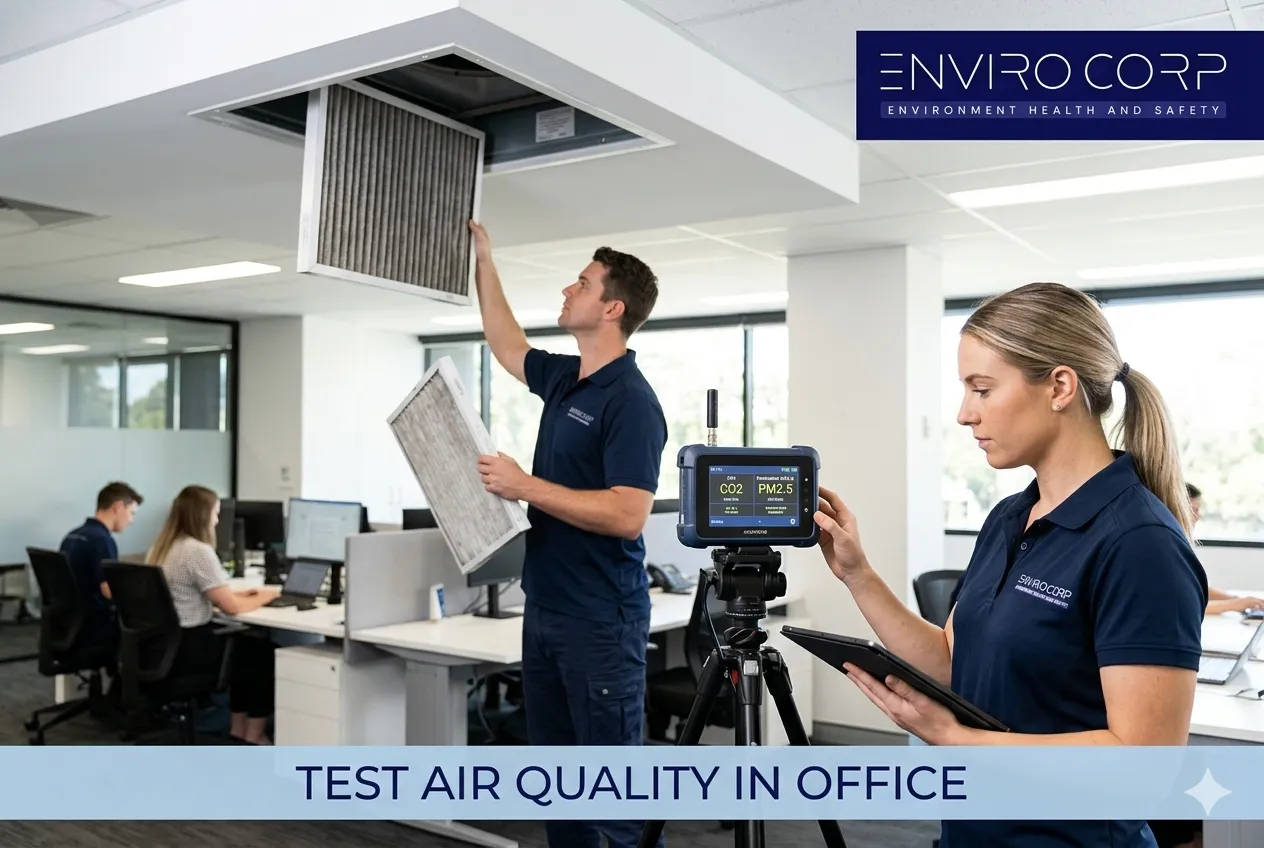
A qualified environmental technician will visit your workspace to set up specialised, quiet testing instruments. They place calibrated data loggers and air sampling pumps directly within active task zones, conference rooms, and near main ventilation vents. These devices continuously track shifts in moisture, temperature, chemical presence, and particulate counts while your business operates normally.
How long does it take to get verified results back?
Baseline metrics such as temperature, humidity, and carbon dioxide levels are available instantly on the technician's digital monitors during the initial walk through. For deeper environmental concerns, such as tracking specific mold strains or identifying complex chemical compounds, samples are processed efficiently in a laboratory, with a plain-English report delivered within a few working days.
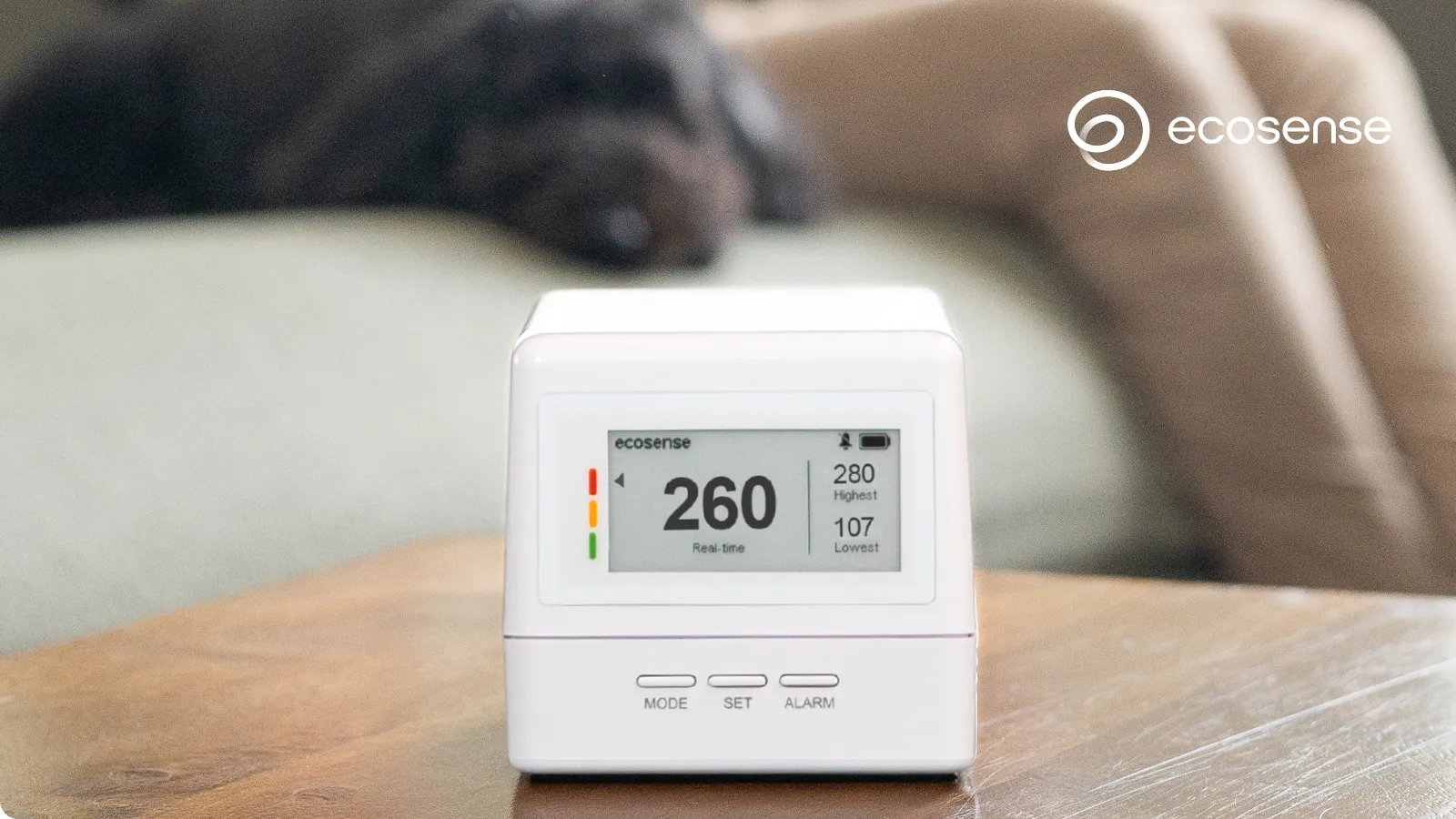
Can we just use a basic off-the-shelf dashboard monitor instead?
While consumer gadgets are fine for getting a rough estimate of conditions at home, they lack the precision needed for a commercial facility. Retail sensors easily lose calibration, cannot isolate specific toxic compounds, and their data will not stand up in a formal safety audit or a workers' compensation dispute. Professional instruments guarantee legally defensible accuracy.
Practical Workplace Solutions
What simple adjustments can we make to instantly freshen the air?
Improving your atmosphere does not require a massive structural overhaul. You can start by asking your maintenance team to upgrade standard ventilation filters to high-efficiency variants that capture fine allergens. Simultaneously, turning up the outdoor air intake settings on your main system flushes out heavy carbon dioxide, keeping the environment crisp and highly oxygenated.
How do we handle deep interior rooms where air naturally stagnates?
For closed meeting spaces or interior desks where natural airflow is restricted, incorporating standalone commercial air purifiers with activated carbon filters works beautifully. These units actively scrub odours, fine dust, and chemical vapours out of the room, ensuring uniform breathing comfort across the entire floor plan.
Who can help us establish a certified, healthy office environment?
The most effective way to secure absolute peace of mind is to collaborate with trusted regional specialists. The dedicated team at Envirocorp provides friendly, precise, and comprehensive air quality diagnostics tailored directly to the unique footprint of your commercial space, helping you protect your team and optimise your facility for the long term.
Knowing When to Test and the Long-Term Payoff
How regularly should a business test its indoor air quality?
Booking a professional check once a year is an excellent preventative standard to maintain workplace health. It is also wise to schedule an immediate assessment right after major office renovations, after resolving a building water leak, or if multiple staff members start reporting consistent respiratory irritation.
Does proper air testing provide long-term financial benefits?
Absolutely. Investing in clean air is a direct investment in your company's operational efficiency. Ensuring your air is freshly oxygenated reduces the frequency of short-term sick leave, prevents costly facility maintenance issues like hidden mold, and builds a vibrant, high-performance office culture where people feel safe and valued.
























Sign in to leave a comment.