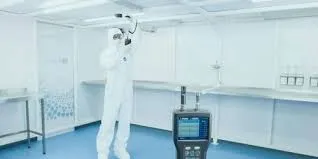

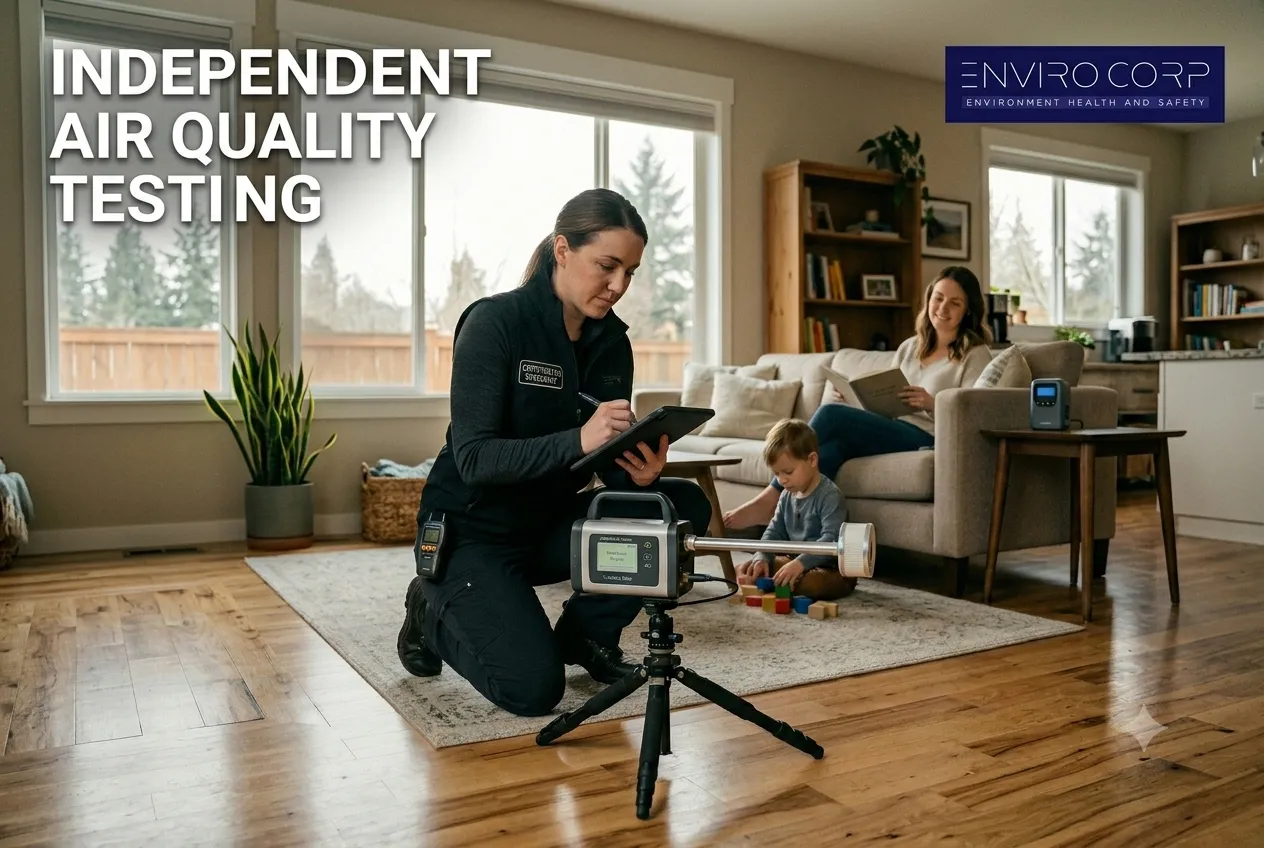
The air we breathe is the most fundamental resource for our health and vitality. While we often focus on outdoor smog or industrial emissions, the atmosphere inside our homes and offices is frequently more concentrated with pollutants than the air outside. This is why indoor air quality testing has become a vital practice for anyone concerned with long-term wellness. It is a scientific assessment designed to identify the invisible particles, gases, and biological agents that circulate within a confined space. By understanding the composition of our indoor environment, we can take proactive steps to ensure that the air we inhale is clean, safe, and life-sustaining.
Identifying Hidden Contaminants in the Air
Most indoor pollutants are entirely invisible to the naked eye and often have no detectable scent. Common culprits include volatile organic compounds or VOCs, which are gases emitted from everyday items like paints, cleaning supplies, and even new furniture. Without professional testing, these chemicals can accumulate to levels that cause subtle but persistent health issues. Other hidden threats include radon, a naturally occurring radioactive gas that can seep through foundations, and carbon monoxide, which can leak from faulty heating systems. Testing provides a clear inventory of these substances, allowing building owners to address specific threats before they lead to chronic exposure.
The Human Health Connection to Clean Air
The impact of air quality on human health cannot be overstated. When we live or work in spaces with poor circulation and high pollutant counts, our bodies often react with a range of symptoms collectively known as sick building syndrome. This can manifest as frequent headaches, dry eyes, persistent coughs, or a general feeling of lethargy that disappears once we leave the building. For individuals with existing respiratory conditions like asthma or severe allergies, the presence of mold spores or dust mites can be particularly debilitating. Regular indoor air quality testing helps to isolate these triggers, creating a foundation for an environment that promotes healing and energy rather than physical strain.
Biological Hazards and Moisture Management
One of the most common reasons for air quality assessments is the detection of biological hazards, specifically mold and mildew. These organisms thrive in damp, poorly ventilated areas like basements, crawlspaces, or behind drywall where leaks might have occurred. Mold releases spores into the air that can cause significant allergic reactions and respiratory distress. A professional air audit looks beyond the visible surfaces, measuring spore counts in the air to determine if a hidden colony is present. This is a crucial step in moisture management, helping to identify where excess humidity is trapped and where ventilation systems might be failing to keep the environment dry and stable.
Boosting Cognitive Function and Productivity
Recent scientific studies have shown a direct link between the level of carbon dioxide in a room and the cognitive performance of the people inside. High levels of CO2, which often build up in crowded meeting rooms or classrooms with poor ventilation, can lead to brain fog, poor decision-making, and reduced concentration. By utilizing indoor air quality testing, organizations can monitor these levels and adjust their HVAC systems to bring in more fresh outdoor air. The result is a sharper, more focused workforce. People are able to think more clearly and work more efficiently when their brains are fueled by high-quality, oxygen-rich air.
The Role of Modern Ventilation Systems
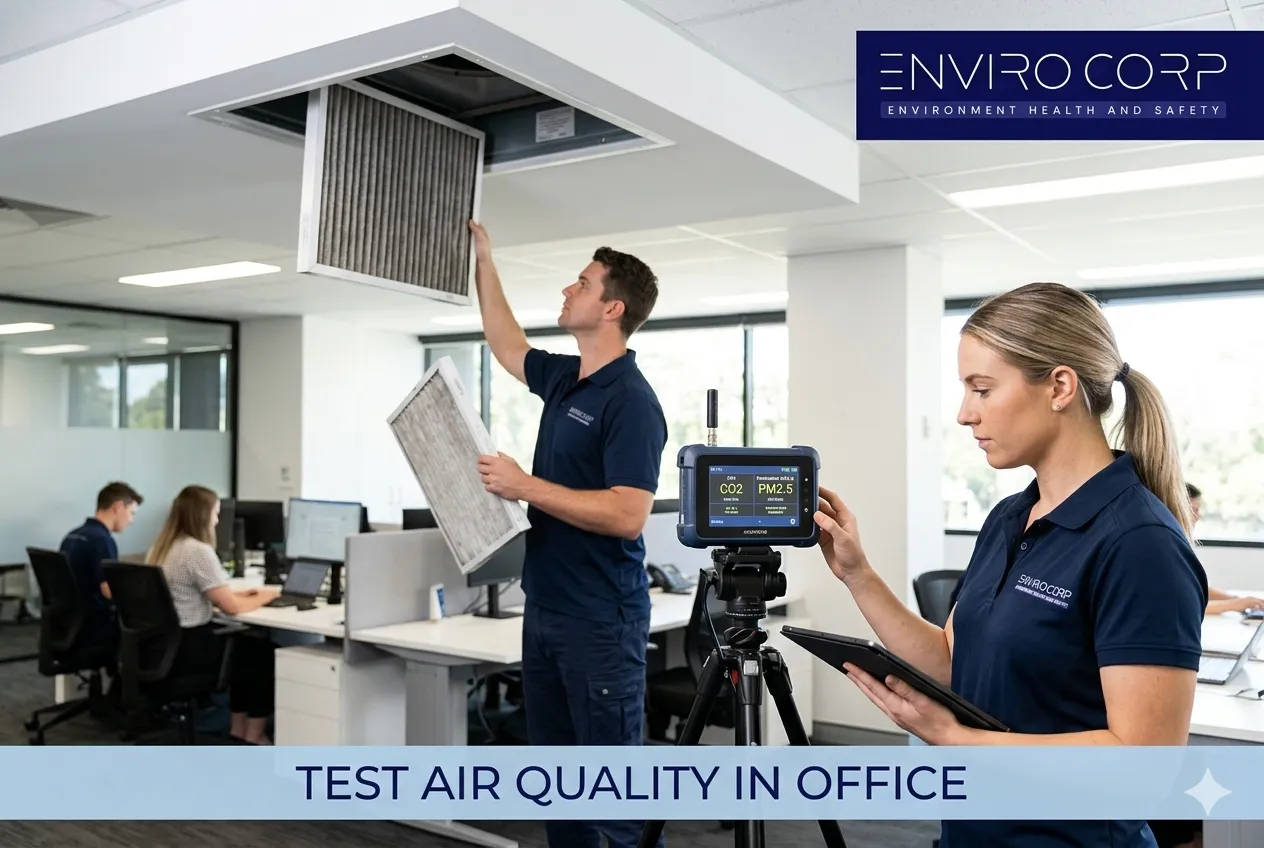
Modern buildings are designed to be airtight to improve energy efficiency, but this design can inadvertently trap stale air and pollutants inside. An air quality audit evaluates how effectively the existing ventilation system is refreshing the indoor atmosphere. It checks the performance of filters, the cleanliness of duct work, and the overall air exchange rate. If the system is merely recirculating dirty air, the test will highlight the need for upgrades such as HEPA filtration or Energy Recovery Ventilators. Ensuring that the mechanical lungs of a building are functioning correctly is the most sustainable way to maintain a healthy indoor climate over time.
Long Term Benefits for Property and Peace of Mind
Beyond the immediate health benefits, maintaining high air standards protects the physical integrity of a property. High humidity and mold can damage structures and decrease property value. Furthermore, there is an immense psychological benefit to knowing that your environment is safe. For parents, business owners, and facility managers, the data provided by an air quality report offers peace of mind. It transforms the invisible air into a manageable asset. Instead of wondering if a persistent smell or a round of office colds is caused by the building, you have the evidence needed to make informed decisions about maintenance and improvements.
Conclusion Investing in a Breath of Fresh Air
Ultimately, the goal of monitoring our indoor atmosphere is to create a space where people can thrive. We often take the air for granted because it is always there, but its quality defines the quality of our lives. Investing in indoor air quality testing is a commitment to the well-being of everyone who enters a building. It is a proactive, compassionate approach to health that recognise the deep connection between our environment and our physical state. By clearing the air of toxins and allergens, we pave the way for a healthier, more productive, and more comfortable future.
Frequently Asked Questions
What are the most common signs that I need air quality testing
Common indicators include persistent odours that do not go away, visible mold growth, or if occupants experience unexplained health issues like congestion and headaches that improve when they are away from the building.
How long does a typical air quality test take
The duration depends on the size of the building and the specific pollutants being measured. Most residential tests can be completed in a few hours, though lab results for mold or specialised chemicals may take several days to process.
What is the ideal humidity level for indoor air
For most indoor environments, a relative humidity level between 30 percent and 50 percent is ideal. This range is comfortable for humans while being low enough to inhibit the growth of mold and dust mites.
How can I improve my air quality after testing
Improvements often include increasing ventilation by opening windows, upgrading HVAC filters to higher MERV ratings, using portable air purifiers, and removing the source of pollutants like old carpets or chemical-heavy cleaners.



























Sign in to leave a comment.