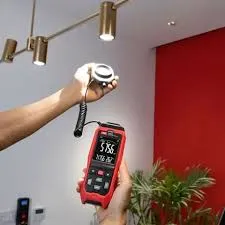

A well-lit environment is the silent backbone of a thriving office. While we often focus on ergonomic chairs or high-speed internet, the way light interacts with our workspace plays a profound role in how we feel and perform. Proper illumination does more than just prevent us from squinting; it influences our internal rhythms, mood, and long-term health. Conducting a professional lighting assessment in the workplace is a vital step toward creating an atmosphere where employees can truly flourish.
The Human Connection to Light
Human biology is deeply intertwined with the patterns of the sun. For centuries, our internal clocks—or circadian rhythms—have been guided by the shifting quality of natural light. In a modern office setting, where many spend the bulk of their daylight hours indoors, the absence of appropriate lighting can lead to a disconnect. This often manifests as chronic fatigue, irritability, or a lack of focus. A thoughtful evaluation looks beyond mere brightness; it considers how different light temperatures and intensities mimic natural cycles to keep the mind alert during the morning and calm during the late afternoon.
Understanding the Impact of Glare and Contrast
One of the most common issues uncovered during a professional review is the presence of glare. This happens when light reflects harshly off computer screens or polished surfaces, forcing the eyes to work much harder than necessary. Over time, this constant strain can lead to "Computer Vision Syndrome," characterised by blurred vision and persistent headaches. By analysing the placement of light sources relative to workstations, experts can suggest adjustments—such as diffuses or repositioning desks—that eliminate these visual obstacles. Balancing the contrast between a bright screen and a dark background is equally important for maintaining eye comfort throughout the day.
Enhancing Productivity Through Task Lighting
Not every job requirement is the same, and neither should be the light that supports it. While general ambient lighting is necessary for moving safely through a building, specific tasks often require more focused illumination. For instance, someone reviewing detailed architectural plans or intricate legal documents needs a higher level of clarity than someone engaged in a collaborative brainstorming session. A comprehensive lighting assessment in the workplace identifies these varied needs, recommending adjustable task lamps that allow individuals to customize their immediate environment. This level of personal control has been shown to boost job satisfaction and overall efficiency.
The Role of Natural Light and Windows
There is no substitute for the benefits of Vitamin D and the visual connection to the outside world. Natural light has a unique ability to lift spirits and reduce the feeling of being "boxed in." However, relying on windows alone can be tricky due to the movement of the sun, which can cause intense heat or blinding brightness at certain times of the day. A proper assessment evaluates how to best integrate daylight with artificial sources. This might involve using automated blinds or light-sensing technology that dims indoor bulbs when the sun is shining brightly, creating a seamless and energy-efficient transition between the two.
Safety and Compliance in Industrial Settings
In environments like warehouses, laboratories, or manufacturing floors, the stakes for proper illumination are even higher. Dimly lit corners or flickering bulbs can hide hazards, leading to trips, falls, or machinery accidents. Regulatory standards exist to ensure that every corner of a facility meets minimum safety requirements. Professional testing uses specialized tools called lux meters to verify that light levels are consistent and adequate for the specific hazards present. Ensuring that emergency exits and high-traffic corridors are brilliantly lit is not just a matter of convenience; it is a fundamental pillar of workplace safety.
Psychological Well-being and Mood Regulation
The color of light, often referred to as color temperature, has a direct psychological impact. Cool, blue-toned lights are excellent for high-concentration areas because they suppress melatonin and keep the brain "awake." In contrast, warmer, yellow-toned lights are better suited for breakrooms or lounge areas where the goal is relaxation and social connection. If an entire office is bathed in harsh, clinical white light, it can feel sterile and unwelcoming. An assessment helps strike a balance, ensuring that the visual "warmth" of the office aligns with the intended use of each specific zone.
Energy Efficiency and Modern Solutions
Beyond the human element, there is a significant environmental and financial component to consider. Older lighting systems often consume vast amounts of electricity and generate unnecessary heat. Moving toward LED technology and smart controls is a hallmark of a forward-thinking business. Motion sensors that turn off lights in unoccupied meeting rooms or "daylight harvesting" systems can drastically reduce a company’s carbon footprint. A technical audit provides the data needed to make these upgrades, often revealing that the initial investment pays for itself through lower utility bills and reduced maintenance costs over time.
Creating a Sustainable Visual Future
A workspace is a living, breathing entity that changes over time. As furniture is moved, teams grow, or office layouts are redesigned, the lighting must adapt as well. Making environmental assessments a regular part of the facility maintenance schedule ensures that the space never becomes stagnant or uncomfortable. By prioritising the visual health of employees, organisations send a clear message: they value the people behind the work. In the end, a well-lit office is more than just a place to see; it is a place where vision—both literal and metaphorical—can come to life.





















Sign in to leave a comment.