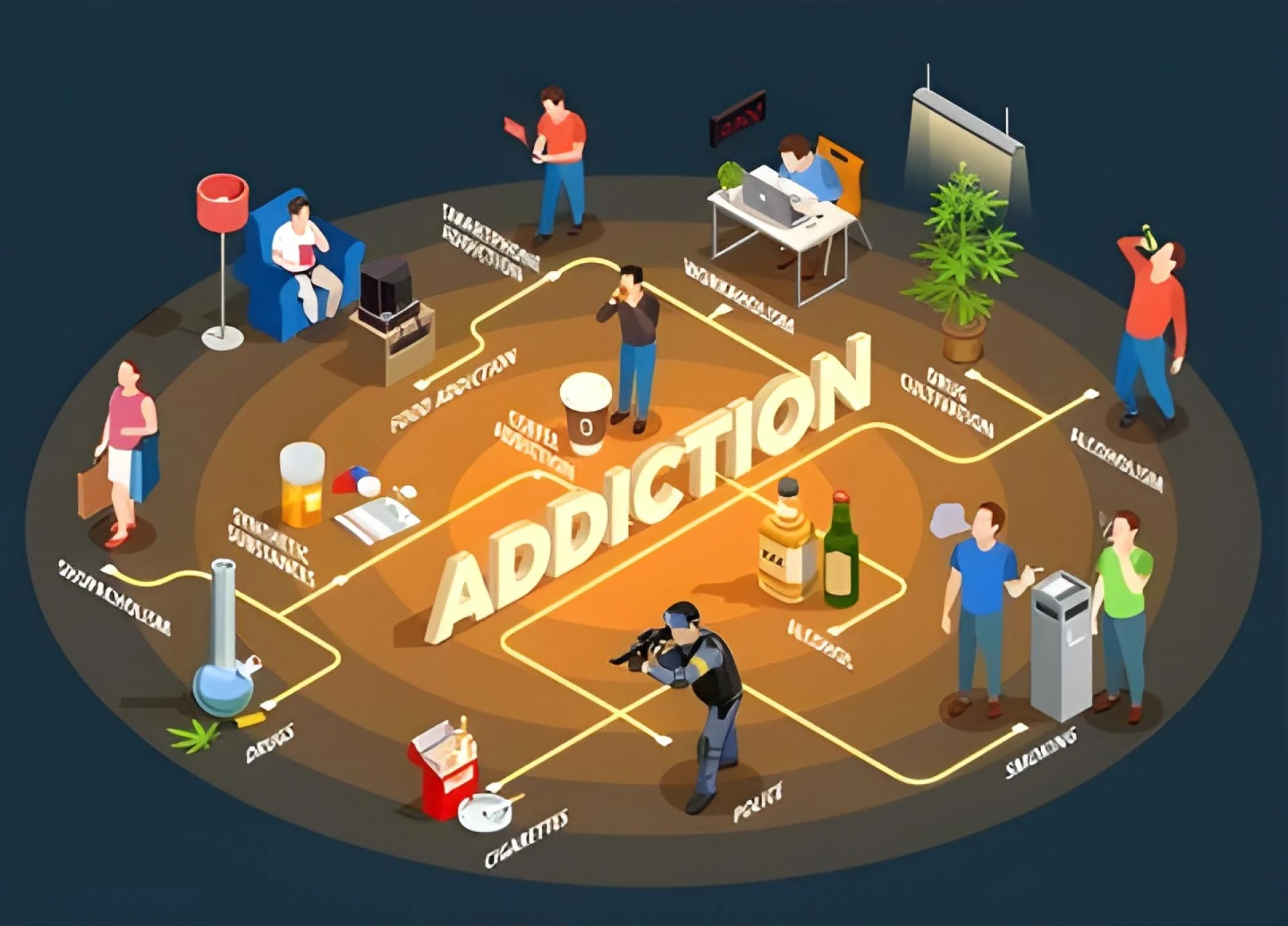
Recovery from addiction is not a one-time event, it's a lifelong journey. For many people, the idea of seeking help can feel overwhelming because recovery seems complicated or uncertain. However, understanding the stages of addiction recovery makes the process clearer and less intimidating. Each stage represents an important step toward lasting sobriety and a healthier, more fulfilling life.
In this blog, we’ll explain the different stages of recovery, what to expect in each phase, and how professional support from a rehabilitation center can guide individuals toward long-term healing.
Why Understanding the Recovery Stages Matters
Provides Clarity: Knowing the stages helps people see recovery as a process, not a single milestone.
Builds Confidence: Understanding what comes next makes it easier to stay committed.
Encourages Family Support: Families can better support their loved ones when they know what to expect.
Improves Success Rates: Following a structured recovery plan increases the chances of long-term sobriety.
Stage 1: Acknowledgment and Awareness
The first step in recovery is recognizing there’s a problem. Many people struggle with denial, believing they have control over their substance use. Awareness begins when a person admits that addiction is negatively impacting their life.
Signs of this stage include:
Feeling guilt or shame after using substances.
Realizing relationships, work, or health are suffering.
Admitting that stopping alone is too difficult.
Key Goal: Accepting the need for help.
Stage 2: Consideration and Preparation
Once awareness sets in, the individual begins thinking about change. They may research rehab programs, talk to loved ones, or explore treatment options.
What happens in this stage:
Gathering information about addiction treatment
Talking openly with family or close friends.
Setting small goals, such as cutting down on use.
Key Goal: Preparing mentally and emotionally to begin treatment.
Stage 3: Detoxification (Detox)
Detox is often the first formal step in professional addiction treatment. It focuses on safely removing harmful substances from the body under medical supervision.
Why detox is important:
It addresses withdrawal symptoms, which can be dangerous if unmanaged.
Provides a clean physical foundation for therapy and counseling.
Key Goal: Stabilization and physical readiness for recovery.
Stage 4: Rehabilitation (Inpatient or Outpatient Care)
After detox, individuals enter a structured treatment program. This stage focuses on addressing the root causes of addiction.
Types of Rehabilitation Programs:
Inpatient Rehab: 24/7 support in a residential facility.
Outpatient Rehab: Flexible care that allows patients to live at home while attending therapy sessions
What happens during rehab:
Individual and group therapy.
Learning coping strategies and life skills.
Identifying triggers and developing healthier routines.
Key Goal: Building a strong foundation for long-term sobriety.
Stage 5: Maintenance and Early Recovery
Once formal rehab is complete, recovery continues in daily life. This stage involves applying what was learned in treatment to real-world challenges.
Key aspects of this stage:
Attending support groups such as AA or NA.
Following relapse prevention strategies.
Staying connected with counselors or mentors.
Key Goal: Developing resilience and maintaining sobriety in everyday situations.
Stage 6: Long-Term Recovery and Growth
Recovery is not just about avoiding substances it’s about creating a healthier, more meaningful life. In this stage, individuals focus on personal growth, repairing relationships, and setting future goals.
Signs of long-term recovery:
Stronger relationships with family and friends.
Improved physical and mental health.
Stability in career, education, or personal goals.
A sense of purpose and fulfillment beyond addiction.
Key Goal: Achieving a balanced and rewarding lifestyle.
Common Challenges During Recovery
Recovery is not always a straight path. Relapse or setbacks can happen, but they don’t mean failure.
Challenges include:
Coping with stress and emotional triggers.
Pressure from social environments.
Fear of relapse.
How to overcome challenges:
Regular therapy sessions.
Ongoing family support.
Commitment to aftercare programs.
How Rehabilitation Centers Support Recovery
A professional rehabilitation center plays a vital role at every stage of recovery. Services may include:
Medical Detox: Safe withdrawal under supervision.
Therapy & Counseling: Addressing emotional and psychological needs.
Family Programs: Helping families understand addiction and recovery.
Aftercare Planning: Ensuring support continues beyond treatment.
Conclusion
Recovery is a journey with multiple stages of awareness, preparation, detox, rehabilitation, maintenance, and long-term growth. Each step builds on the previous one, guiding individuals toward a healthier, addiction-free life.
No matter where someone is in the process, seeking help is the most important step. With the right support, tools, and professional guidance, recovery is not only possible, it's sustainable.























Sign in to leave a comment.