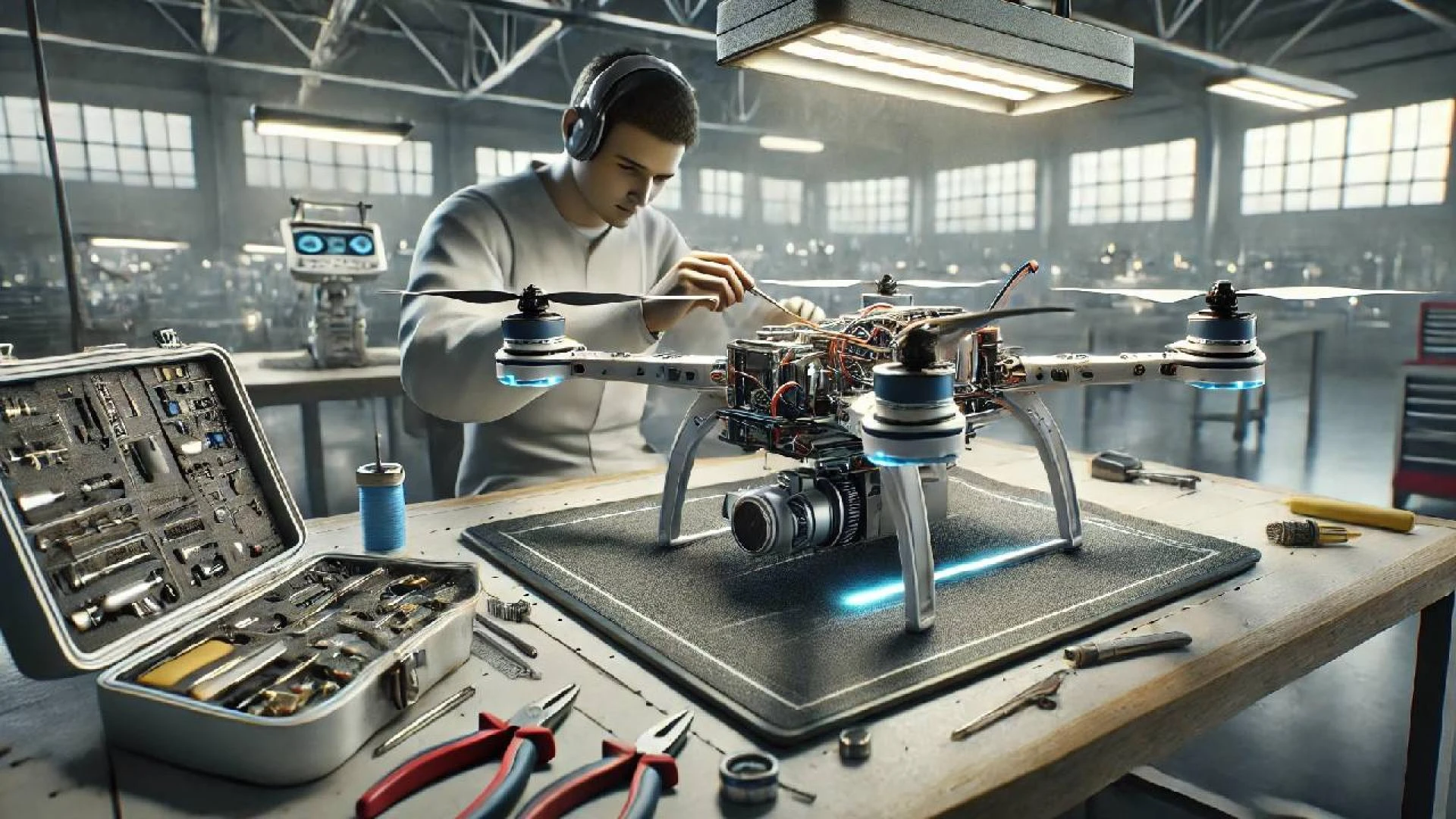

Flying a drone isn’t just about smooth takeoffs and stunning aerial shots—it’s about keeping your machine in top shape. One faulty component can ground your entire operation, costing you time, money, and in some cases, critical data or project deadlines.
Whether you're a beginner or a seasoned pilot, knowing how to handle drone wear and tear is a must. That’s why many professionals are now enrolling in Drone Maintenance Courses in India to sharpen their skills and make smarter repair-or-replace decisions when technical issues strike.
Why Does Drone Maintenance Matters?
Regular drone maintenance ensures not only optimal performance but also prevents minor issues from escalating into costly repairs. Whether you’re a hobbyist or a professional drone pilot, routine maintenance practices like checking propellers, cleaning sensors, and updating firmware can go a long way.
If you're looking to gain in-depth knowledge, there are several Drone Maintenance Courses that offer hands-on training and teach how to identify, diagnose, and resolve common drone issues before they become critical.
Understanding the Common Drone Failures
To make an informed decision on repair vs. replacement, you first need to understand the type and severity of the failure. Common drone component issues include:
- Propeller Damage: Cracks or chips may look minor but can affect flight stability. Minor damage can be repaired or buffed out, but in most cases, replacing propellers is inexpensive and safer.
- Motor Malfunctions: A buzzing sound or overheating might signal a motor issue. If cleaning doesn’t fix it, replacing the motor might be the best option.
- Battery Issues: Batteries degrade over time. If your drone isn’t holding charge or shows signs of swelling, replacing it is non-negotiable for safety reasons.
- Flight Controller Errors: These are more complex and often software-related. Sometimes recalibrating can solve the issue; if not, replacing the controller may be necessary.
- Gimbal or Camera Faults: If footage is shaky or the gimbal isn’t responding, minor alignment fixes might work. However, for hardware issues, replacing the gimbal or camera module is often the best route.
Cost vs Performance: Making the Right Call
The decision often comes down to a balance between cost and performance. Here are some guidelines to help:
Repair When:
- The issue is cosmetic or minor (scratches, loose wiring).
- The part is easily accessible, and you're confident doing it yourself.
- The drone is relatively new, and replacement parts are readily available.
Replace When:
- The component is critical to flight safety (like motors or batteries).
- The drone is outdated, and replacement parts are hard to find.
- The component has failed multiple times, indicating underlying issues.
If you're unsure whether to repair or replace, consider consulting with a certified drone technician. A second opinion can help you weigh your options, especially if you're facing an expensive or complex repair. Many drone service centers offer free diagnostics or low-cost assessments to help guide your decision.
The Role of Training and Certification
Making these decisions becomes easier when you have formal training. Drone Certification Courses, such as those offered by Indian Institute of Drone Technology, provide essential knowledge in drone hardware, safety, and troubleshooting, helping professionals make smarter maintenance decisions. These certifications not only boost your technical skills but also increase your credibility in the drone industry.
Advanced Knowledge Makes the Difference
Advanced skills in drone diagnostics, firmware handling, and component testing can drastically improve your decision-making. If you’re serious about drone technology and want to go deeper into the backend systems, Drone Programming in India is a growing field with institutions like Indian Institute of Drone Technology offering specialized training that combines software knowledge with real-world applications.
Conclusion
Drone maintenance isn't just about fixing problems—it's about preventing them. Knowing when to repair or replace a component helps you avoid costly downtime and ensures safe, smooth operations. Whether you’re managing a fleet or flying solo for aerial photography, making smart maintenance decisions is key to getting the most out of your investment. And remember: the more knowledge you gain through training and hands-on experience, the better equipped you'll be to handle any maintenance issue with confidence.






























Sign in to leave a comment.