“Will drone training really help me earn a stable income?” This is one of the most common concerns among students planning a career in aviation technology.
Many learners complete UAV Course Certification India programs with excitement, yet remain unsure about realistic salary expectations and career growth. The confusion often comes from mixed information online and unrealistic placement promises.
India’s drone ecosystem is expanding across agriculture, construction, infrastructure inspection, and smart city projects.
Students entering this field must understand that salary depends on specialization, industry exposure, and real technical skills. Certified UAV professionals earn more when they combine flying knowledge with data analytics and automation capabilities.
Understanding Entry Level Salary After UAV Certification
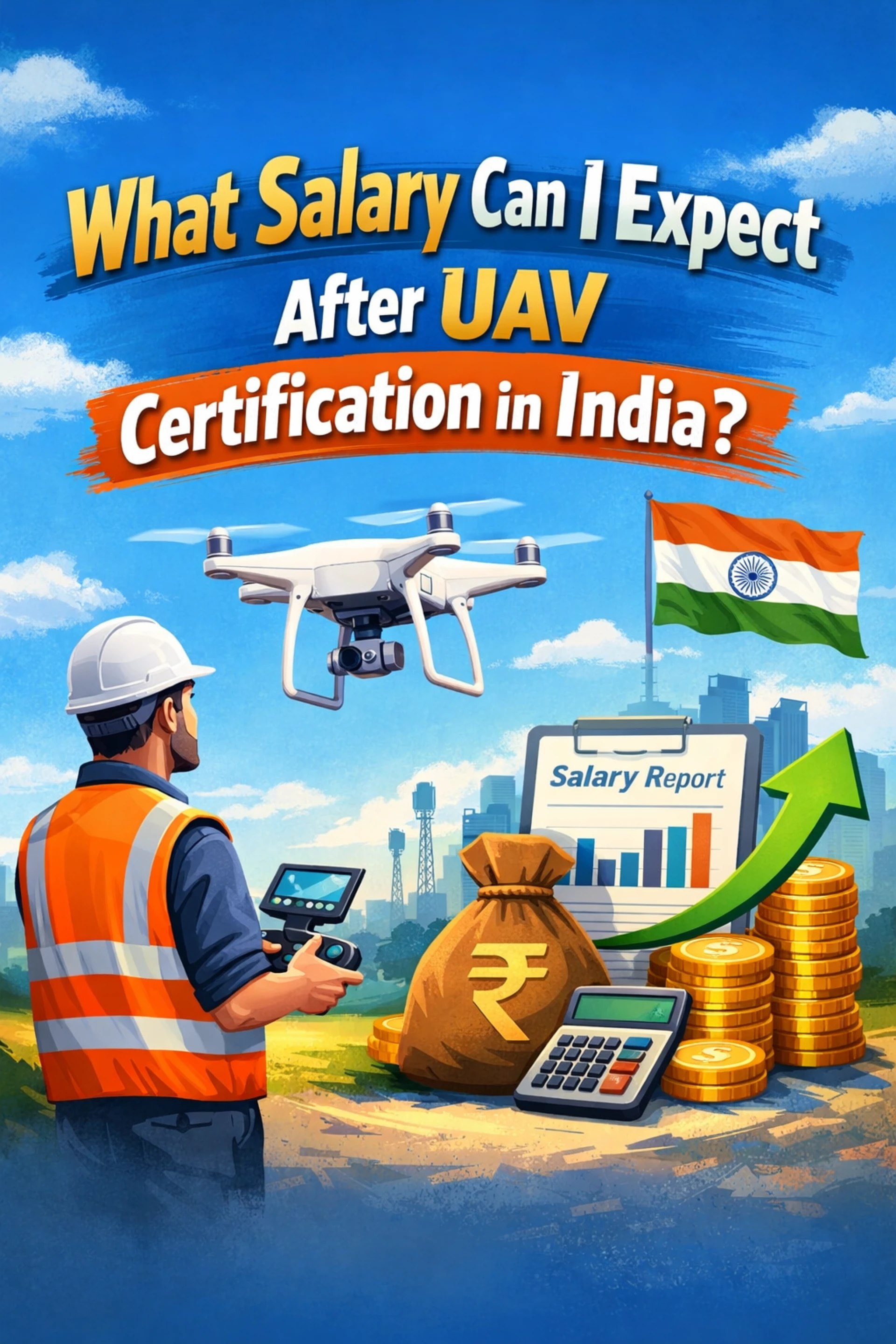
Most entry level UAV professionals earn between ₹18,000 and ₹45,000 monthly depending on their skill depth and project exposure.
The DGCA regulatory framework has standardized training and licensing across India, which has increased employer confidence in certified pilots. However, companies using platforms like DJI expect candidates to handle more than basic flying.
Most companies overlook that certification alone does not guarantee higher income. Employers prefer candidates who understand workflows such as surveying, inspection planning, and safety compliance.
- Beginner drone pilot roles typically range from ₹2.5L to ₹4.5L yearly
- Mapping or surveying assistants earn ₹3.5L to ₹6L yearly
- Freelance operators may charge ₹5,000 to ₹25,000 per project depending on complexity
According to a Training Head at a DGCA aligned institute, “Students who gain field exposure during training usually secure better starting salaries.”
Q. What is a beginner drone salary in India?
Most freshers start within ₹18,000 to ₹30,000 per month depending on specialization.
Q. How does DGCA certification help?
It builds legal credibility and improves hiring chances in regulated industries.
Why Specialization is Important for Higher Salary Growth?
Specialized skills like mapping, analytics, and automation increase salary faster than basic flying knowledge.
A 2026 trend analysis shows companies involved in infrastructure and smart city planning now rely heavily on drone data. Organizations collaborating with ISRO standards and AI workflows demand professionals who understand software and analytics.
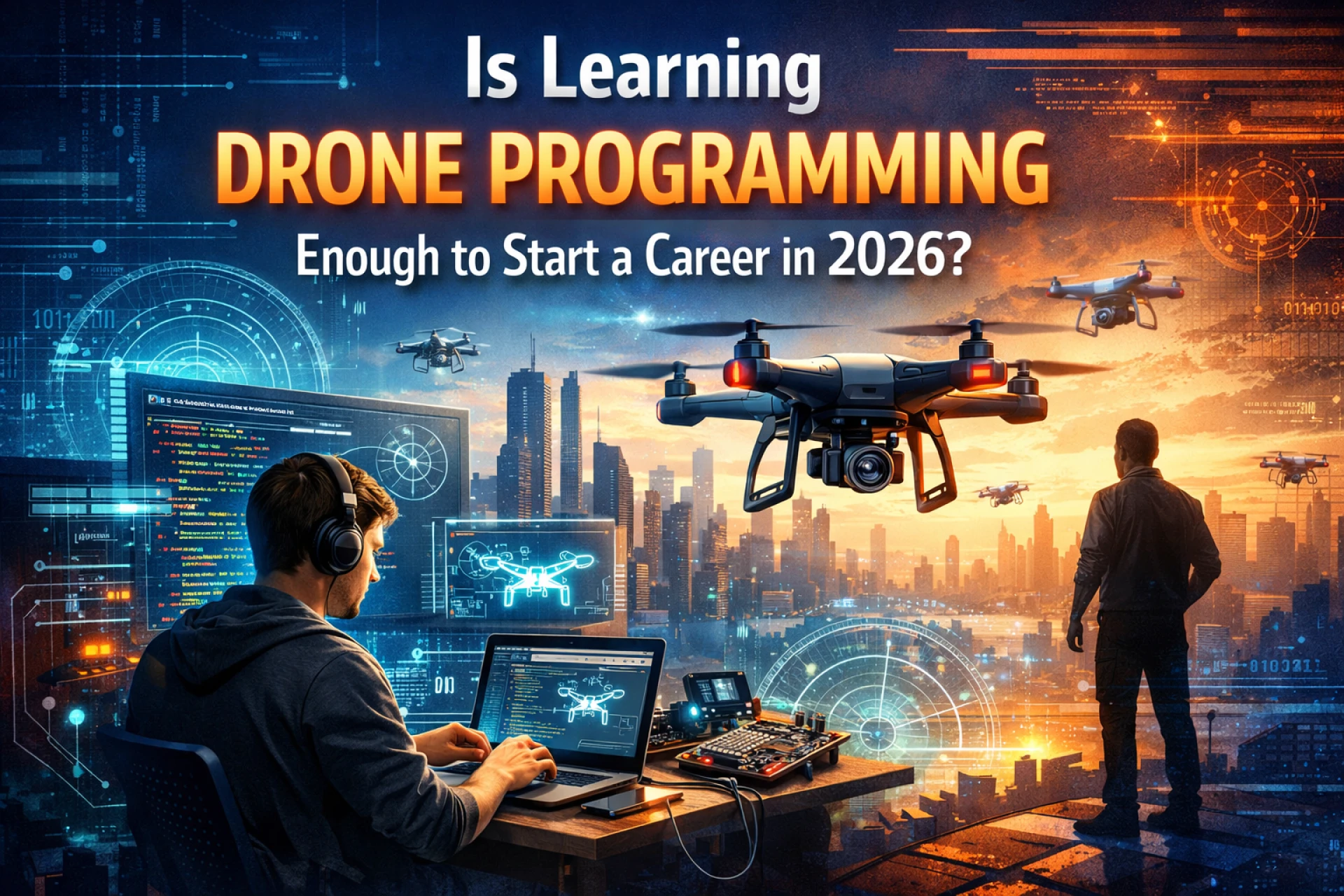
This is where Drone Programming in India becomes valuable. Advanced institutes such as Indian Institute of Drone Technology integrate Drone Programming in India into their curriculum to prepare students for automation driven projects.
Experts consider this a turning point where drone pilots evolve into drone technologists.
- AI powered analytics roles can reach ₹6L to ₹12L yearly within three years
- Automation skills increase freelance earnings by 30 to 50 percent
- Nvidia edge computing tools are now used in advanced drone data workflows
A Skill Development Advisor from an IITs innovation lab states, “Future drone professionals will be defined by data processing skills, not just flying ability.”
Q. Why is specialization important after certification?
Specialization opens opportunities in analytics, inspections, and enterprise projects.
Q. How does programming impact income?
Automation reduces manual work and increases project value, which leads to higher pay.
High Paying Career Paths After UAV Course Certification India
Survey specialists, drone data analysts, and automation engineers currently earn the highest salaries in the UAV industry.
Here’s what the numbers reveal: Infrastructure companies like Tata Projects and large EPC contractors increasingly outsource drone surveys for cost efficiency.
Therefore, professionals trained in advanced workflows move into leadership roles faster. According to 2026 reports, demand for drone analysts is rising faster than demand for basic pilots.
How Training Quality Influences Salary Outcomes?
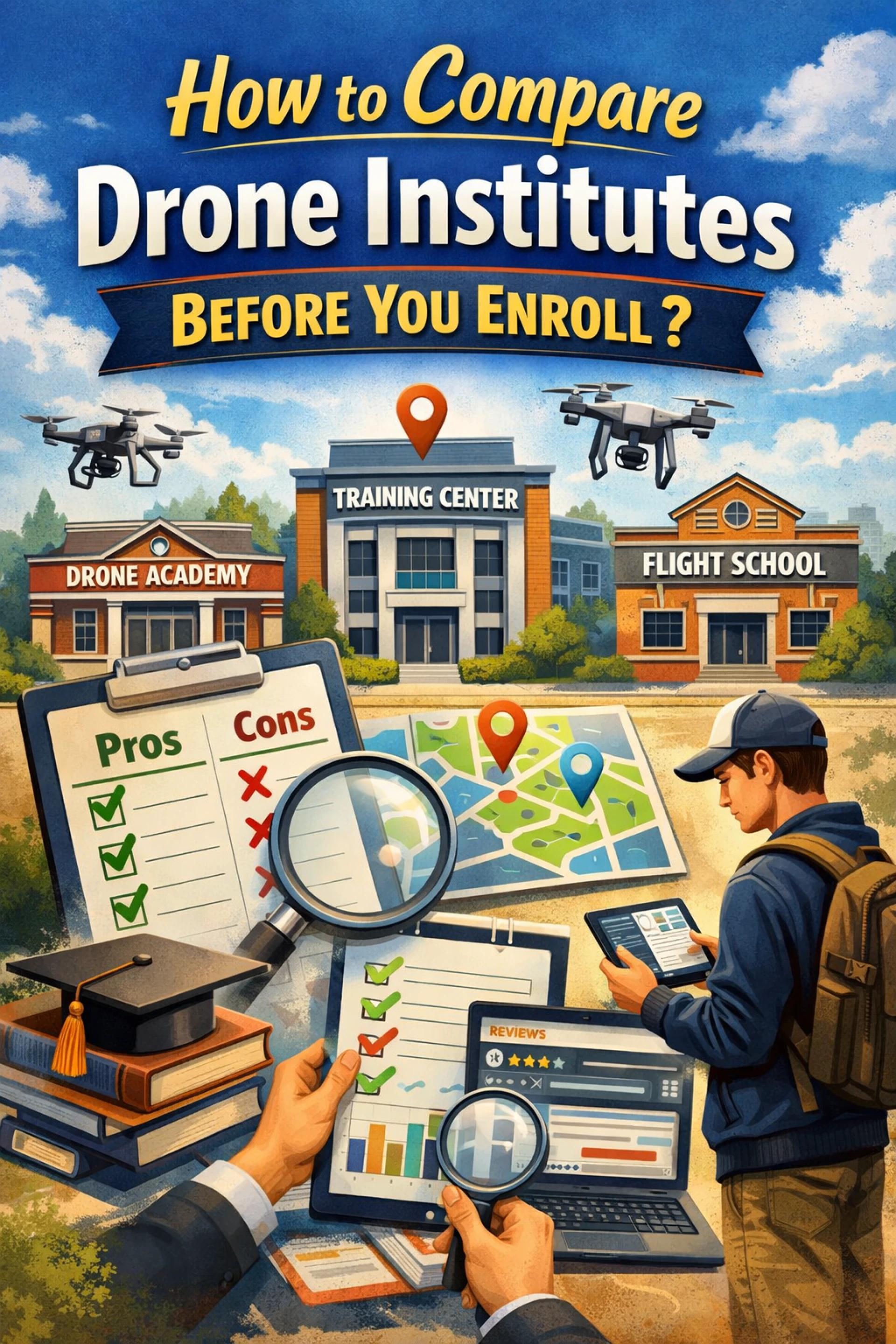
Choosing the Best Drone Training Institute in India directly affects placement quality, skill exposure, and earning potential. Students often compare institutes based only on price, but curriculum depth matters more. Institutions such as Indian Institute of Drone Technology emphasize real world projects and advanced software exposure rather than classroom theory.
According to 2026 reports, companies prefer candidates trained under structured programs aligned with DGCA standards and enterprise workflows.
Most companies overlook that training with real industry datasets prepares students for higher paying technical roles.
- Institutes offering live projects show higher placement success rates.
- Practical exposure increases starting salary by up to 20%.
- AI integrated training is becoming a core hiring preference.
A Workforce Development Consultant explains, “The institute you choose shapes your industry mindset, not just your certification.”
The Bottom Line
Drone careers in India are growing rapidly, but income depends on how you apply your skills after certification. Students who combine flying knowledge with data analytics, programming, and real project exposure move ahead faster. The industry is shifting from pilot based roles to technology driven problem solvers.























Sign in to leave a comment.