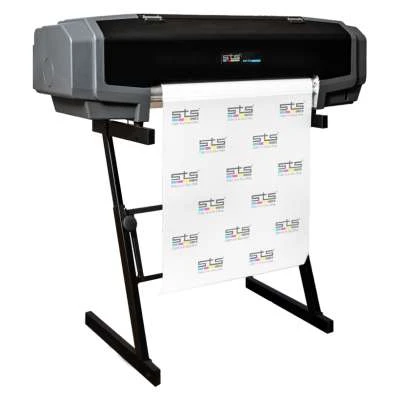

If you're just stepping into the world of garment printing, chances are you’ve heard of DTF printer but aren’t sure how they work, what makes them different, or if they're right for your business. Don’t worry—you’re not alone.
DTF (Direct to Film) printing is rapidly becoming one of the most popular and versatile printing methods in the apparel and custom merchandise industry. Whether you want to start a print-on-demand business or add garment printing to your existing services, learning the basics is essential.
In this article, we’ll cover the top 10 most common questions beginners ask about DTF printers, with easy-to-understand answers that can help you get started with confidence.
1. What Is a DTF Printer?
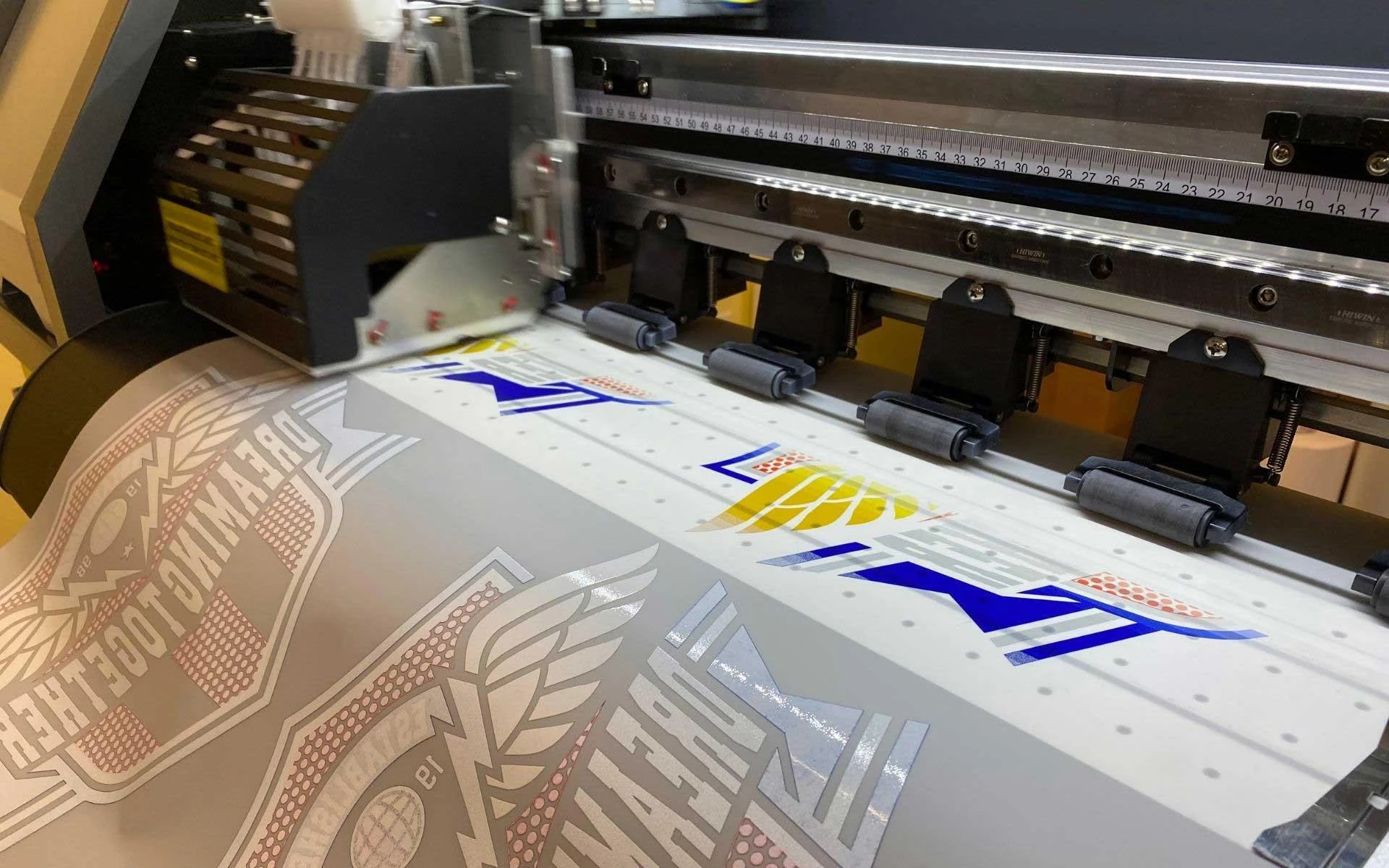
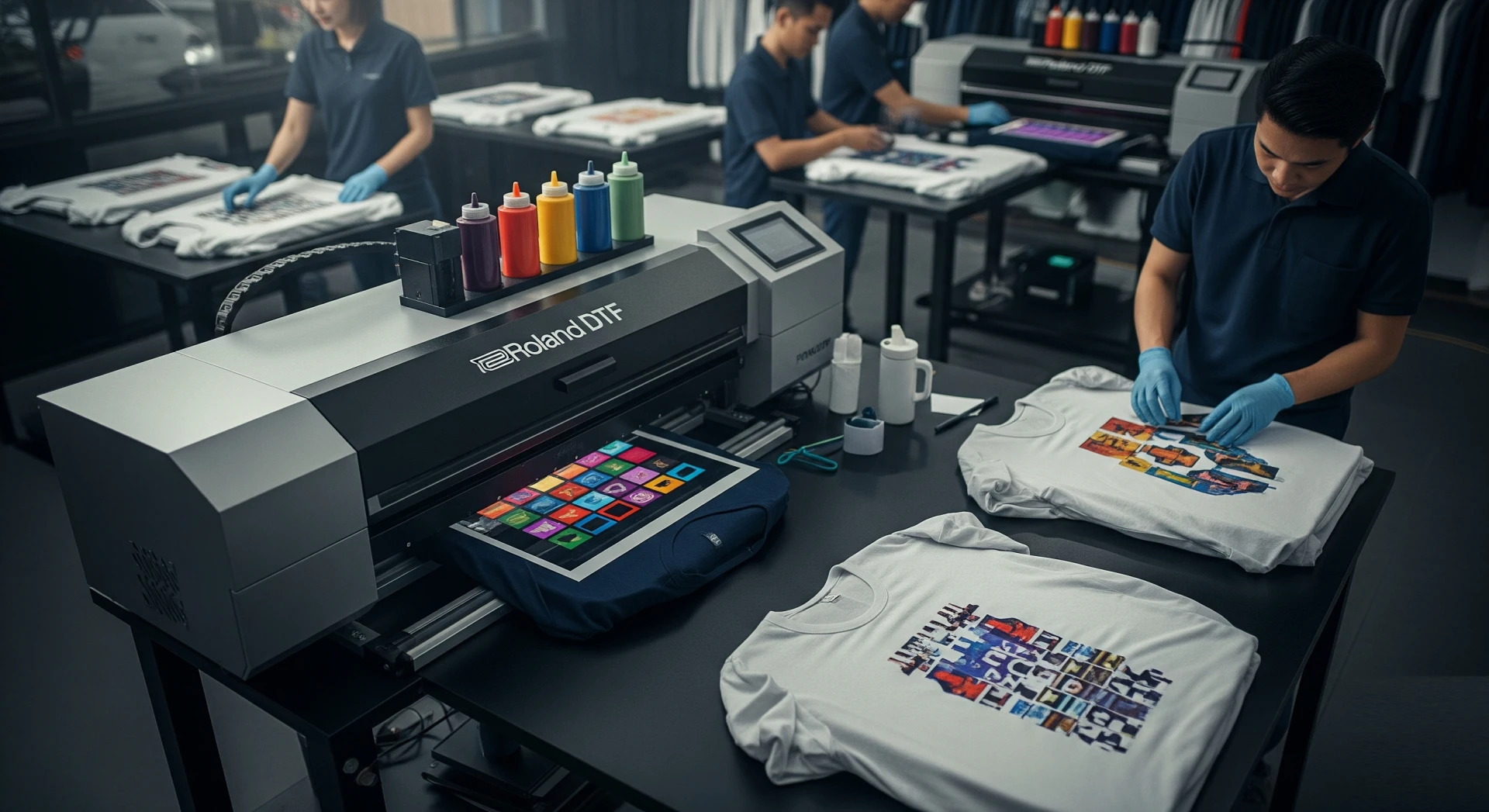
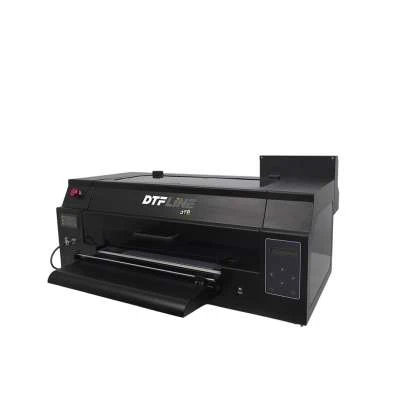
A DTF printer, or Direct to Film printer, is a digital printing machine that prints designs onto a special PET film using CMYK and white inks. After printing, hot-melt powder is applied to the printed film, cured, and then heat-pressed onto fabric.
Unlike other printing methods like DTG (Direct to Garment), DTF printing does not require pre-treatment and can be used on a wide range of fabrics, including cotton, polyester, blends, and more.
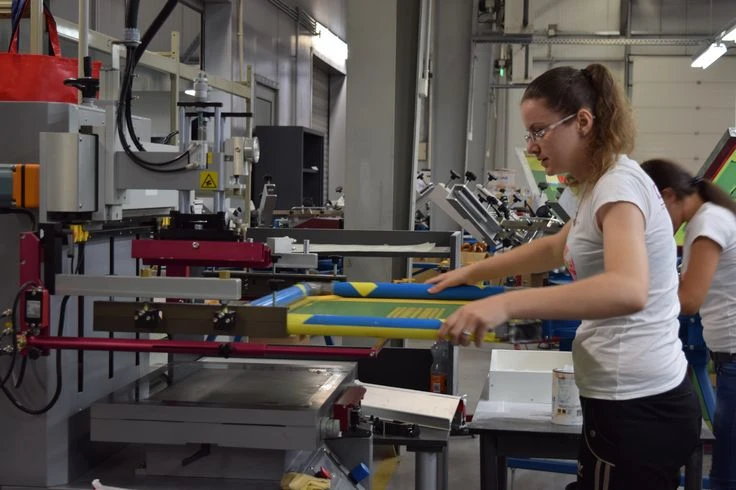
2. How Is DTF Printing Different from DTG or Screen Printing?
Here’s a quick comparison:
MethodFabric CompatibilityPre-Treatment NeededCostPrint QualityDTFCotton, polyester, nylon, blendsNoAffordableHighDTGCottonYesExpensiveVery highScreen PrintingAny (with screens)NoCost-effective in bulkHigh
DTF printing is more flexible than DTG and less labor-intensive than screen printing, especially for small batches or custom orders.
3. What Materials Do I Need to Start DTF Printing?
To start printing with a DTF printer, you'll need:
- DTF printer (dual-head recommended for white + color ink)
- PET film rolls or sheets
- DTF inks (CMYK + White)
- Hot-melt adhesive powder
- Heat press
- Curing oven or hover heat press
- RIP software (to manage color separation and print setup)
This setup is suitable for beginners and scalable for businesses.
4. What Fabrics Can I Print On Using a DTF Printer?
One of the biggest advantages of using a DTF printer is its fabric versatility. You can print on:
- 100% cotton
- Polyester
- Cotton-poly blends
- Denim
- Nylon
- Leather
- Canvas
- Spandex
DTF prints stick well to almost any fabric, including dark or light materials, without losing vibrancy or durability.
5. Is DTF Printing Durable? How Long Does It Last?
Yes, DTF prints are known for their excellent durability. When cured and applied correctly, a DTF print can withstand 40–50 washes without significant cracking or fading.
To ensure long-lasting results:
- Cure the adhesive powder properly.
- Use a heat press at the correct temperature and pressure.
- Wash garments inside out with cold water and avoid tumble drying.
6. Is a DTF Printer Easy to Maintain?
DTF printers do require regular maintenance, but it's manageable even for beginners. Daily and weekly cleaning routines prevent printhead clogs and ink buildup.
Basic maintenance includes:
- Shaking white ink daily to avoid settling.
- Performing nozzle checks before printing.
- Running cleaning cycles and wiping printheads.
- Keeping the work area dust-free.
Using good-quality ink and film reduces the chance of breakdowns.
7. How Much Does a DTF Printer Setup Cost?
Entry-level DTF printer bundles range from $2,500 to $7,000, depending on print size, brand, and whether the system includes a curing station or oven.
Here’s a rough breakdown:
- Printer (A3/A2 size): $2,000–$5,000
- Heat press: $300–$800
- RIP software: $100–$500 (some are bundled)
- Films, powder, ink: $200–$400 initial stock
For a complete small business setup, you can start under $5,000, which is significantly cheaper than a DTG system.
8. What Is the Printing Process Like?
The DTF printing process is quite straightforward:
- Create a design in graphic software (like Photoshop or CorelDRAW).
- Import it into RIP software and mirror the image.
- Print the design on PET film using a DTF printer.
- Apply hot-melt powder to the wet ink.
- Cure the powder using a heat press or curing oven.
- Heat-press the transfer onto the fabric (usually at 150–160°C for 15 seconds).
- Peel the film and perform a second press if needed.
9. Can I Use DTF Printing for My Online T-Shirt Business?
Absolutely! Many Etsy, Shopify, and Amazon sellers use DTF printers for their custom apparel businesses. DTF is perfect for on-demand printing, low MOQ orders, and personalization.
Benefits include:
- Fast turnaround time
- Low cost per print
- Customization on multiple fabric types
- No need to hold large inventory
You can even print transfers in advance and apply them when an order is placed.
10. Where Can I Buy a Reliable DTF Printer?
Reputable suppliers offer complete DTF printer kits online. For example, DTG PRO’s DTF Printer collection offers a wide range of options, including:
- Entry-level models
- Large-format systems
- Bundled packages with ink, powder, film, and software
Look for:
- Good customer support
- Warranty and repair service
- Easy availability of consumables
Always compare print speed, ink usage, and reliability before purchasing.
Final Thoughts
Getting started with a DTF printer may seem overwhelming at first, but it’s a user-friendly and scalable technology once you understand the basics. It’s cost-effective, versatile, and delivers excellent print quality across different fabrics. That’s why it’s one of the fastest-growing solutions in the custom apparel and promotional product industry.
If you're a beginner exploring the idea of launching your own printing business, DTF is an ideal starting point that offers high ROI, creative flexibility, and strong market demand.
Ready to Start DTF Printing?
Visit DTG PRO’s DTF Printer Collection to explore starter bundles, consumables, and helpful guides.
Whether you’re a startup or adding printing services to your existing brand, the right DTF printer can take your creativity and business to the next level.
























Sign in to leave a comment.