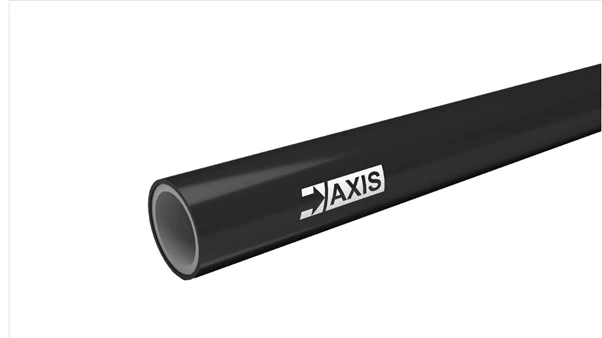

If you have ever worked in a wiring job, you may have questioned yourself: “Is this the right kind of heat shrink tubing?”
And does it really matter? Well, it does! Selecting the incorrect tubing can impact your system’s insulation strength, cable durability, and the lifespan of electrical installations.
Let us dive into how choosing the right tubing can improve your system's efficiency.
1. Dual-wall tubing seals better because of its adhesive lining
This is the biggest difference and the reason many technicians prefer dual-wall heat shrink for outdoor or industrial applications.
Single-wall tubing is just one layer of polyolefin that shrinks when heated. It insulates the cable well, but it does not create a moisture barrier.
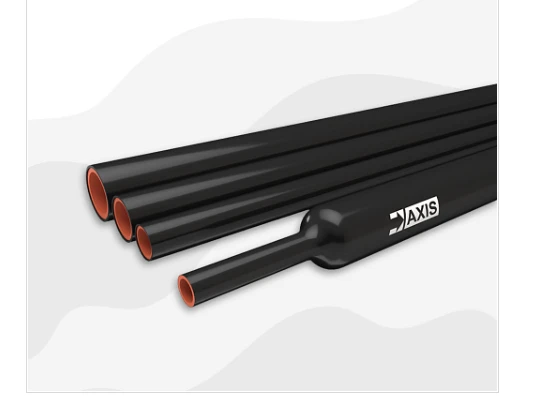
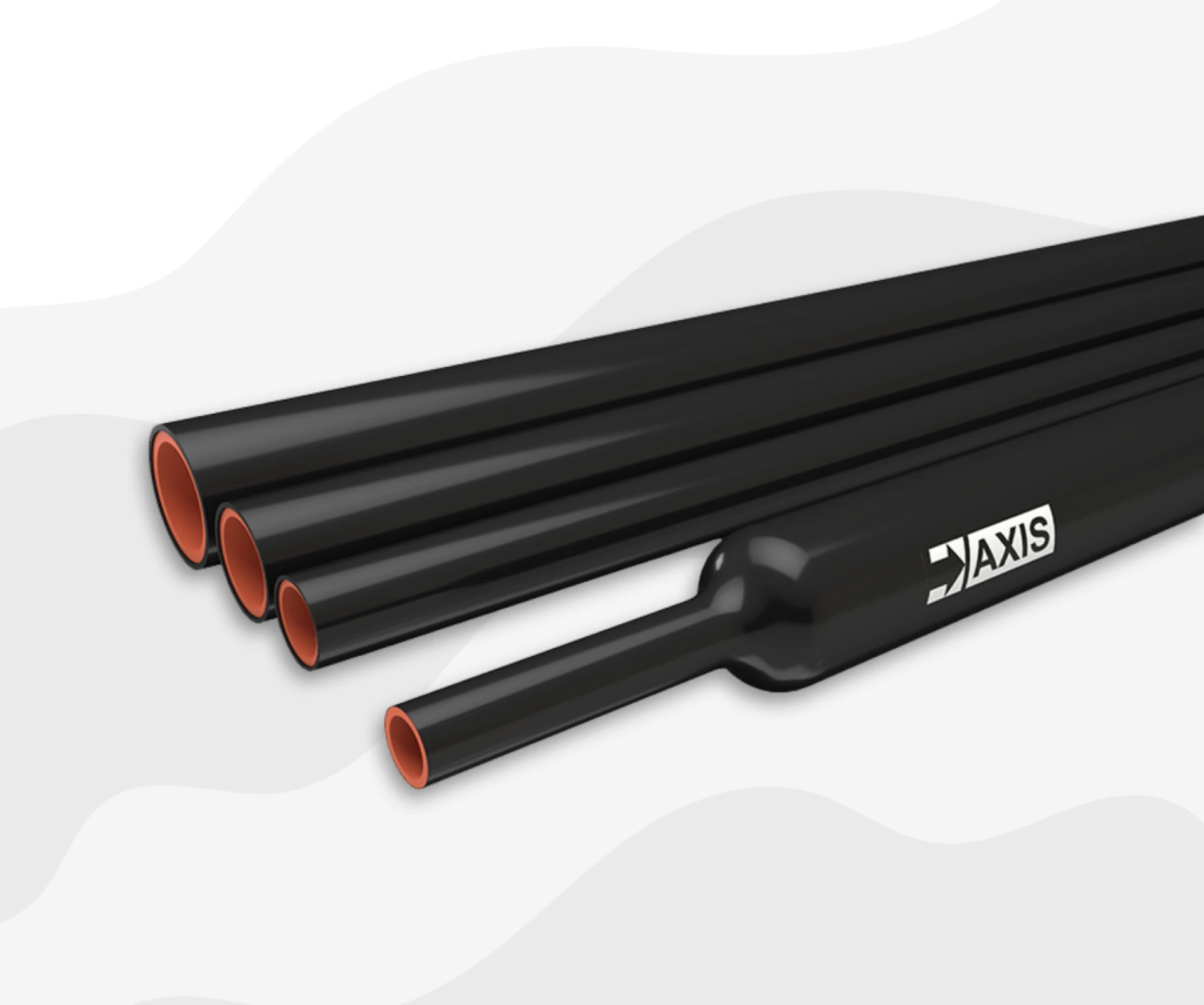
Dual-wall tubing consists of an inner adhesive that melts upon heating and forms a seal. thus preventing water, oil, dust, and other contaminants from entering the joint. This is why industrialists prefer dual-wall tubing for critical applications where reliability is crucial, such as heat-shrink termination kits.
2. It provides better mechanical strength than single-wall tubing
Dual-wall tubing works best if your installation involves cable joints or exposed wiring that might be subject to vibration, friction, or movement. It offers an adhesive layer that provides grip and support, resulting in a free joint.
Think of applications like a termination kit in a telecom tower, or wiring in an industrial machine. Single-wall tubing insulates, but dual-wall tubing reinforces. That difference becomes very important in demanding environments.
3. Dual-wall tubing is designed for outdoor environments
Wiring can be damaged over time by environmental factors such as salt, temperature, moisture, and sunlight. Dual-wall heat shrink is designed to resist these factors, especially in harsh environments.
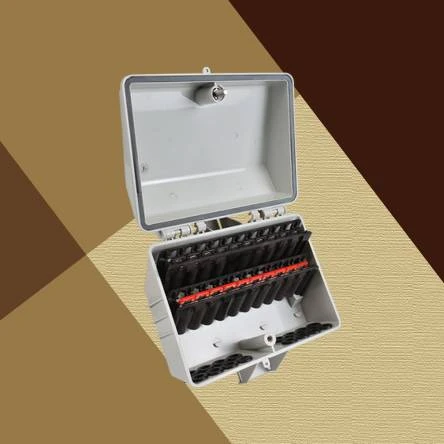
This makes it a perfect choice where long-distance cable runs require reliable environmental sealing, such as a straight-through joint kit. If your cables are outdoors, underground, or anywhere near water or oil, dual-wall tubing will simply last longer.
4. Single-wall tubing still has its place in simpler applications
Dual-wall tubing sounds superior, but single-wall tubing is the perfect choice for many everyday needs that are not exposed to moisture. Like: panel wiring, automotive interiors, electronic repairs, for any indoor setup. Single-wall tubing is easy to install, ideal for insulation, and the practical, economical choice.
5. Now, let us discuss the easiest way to decide: Depending on the environment
If your cable is working under heat, chemicals, moisture, stress, or dirt, dual-wall tubing is the one. And if the environment is controlled, single-walled tubing is sufficient for the job.
Dual-tubing becomes essential when installing heat-shrink tubing, especially when downtime is costly. Similarly, for outdoor telecom cables, solar installations, high-voltage joints, and underground connections, it is a crucial component.
Conclusion
Now, we know that both dual-wall and single-wall tubing are equally essential in the electrical world; all you need to do is select the right one for your needs. Dual-wall heat shrink offers sealing, strength, and long-term protection, while single-wall remains a convenient and efficient option for indoor wiring and basic insulation.
At Axis, quality and performance are non-negotiable. If you want dependable heat-shrink solutions for tough environments, explore our heat-shrink products today. Get the perfect tubing for your telecom, industrial, or electrical project and ensure your installations stay protected and high-performing from day one.
Contact us now.
Sign in to leave a comment.