
People working on a cable installation project often face the question: Should I choose heat shrink or cold shrink termination kits? Many think that they do the same job, but in reality, the difference matters, especially in demanding industrial and utility applications.
So which one is the right choice for your project?
The honest answer is that it depends on installation conditions, environment, and performance expectations. In this guide, we will discuss it in a clear and practical way. 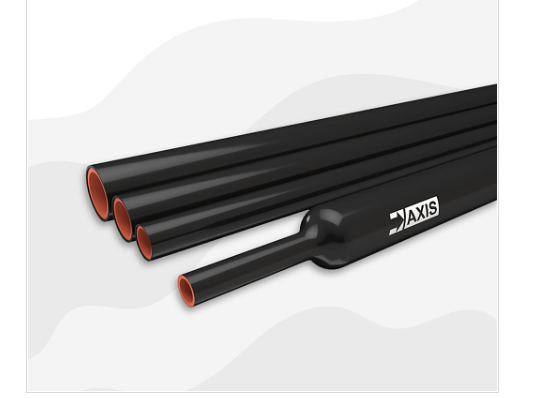
Installation process and on-site requirements
Do you know the biggest difference between a hot shrink and a cold shrink termination kit? It lies in how they are installed.
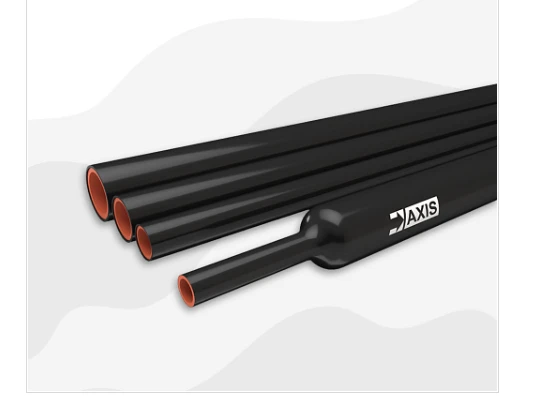
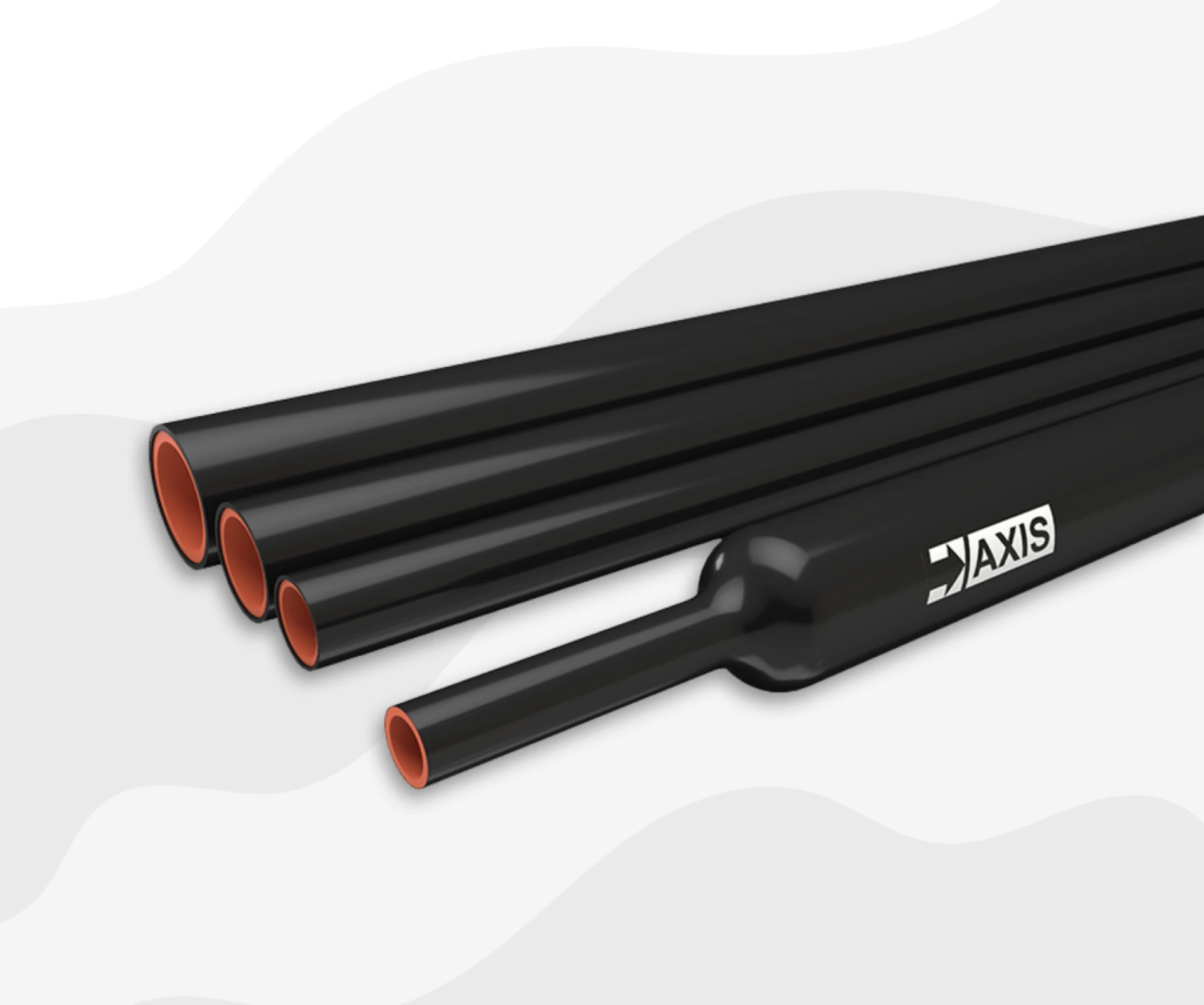
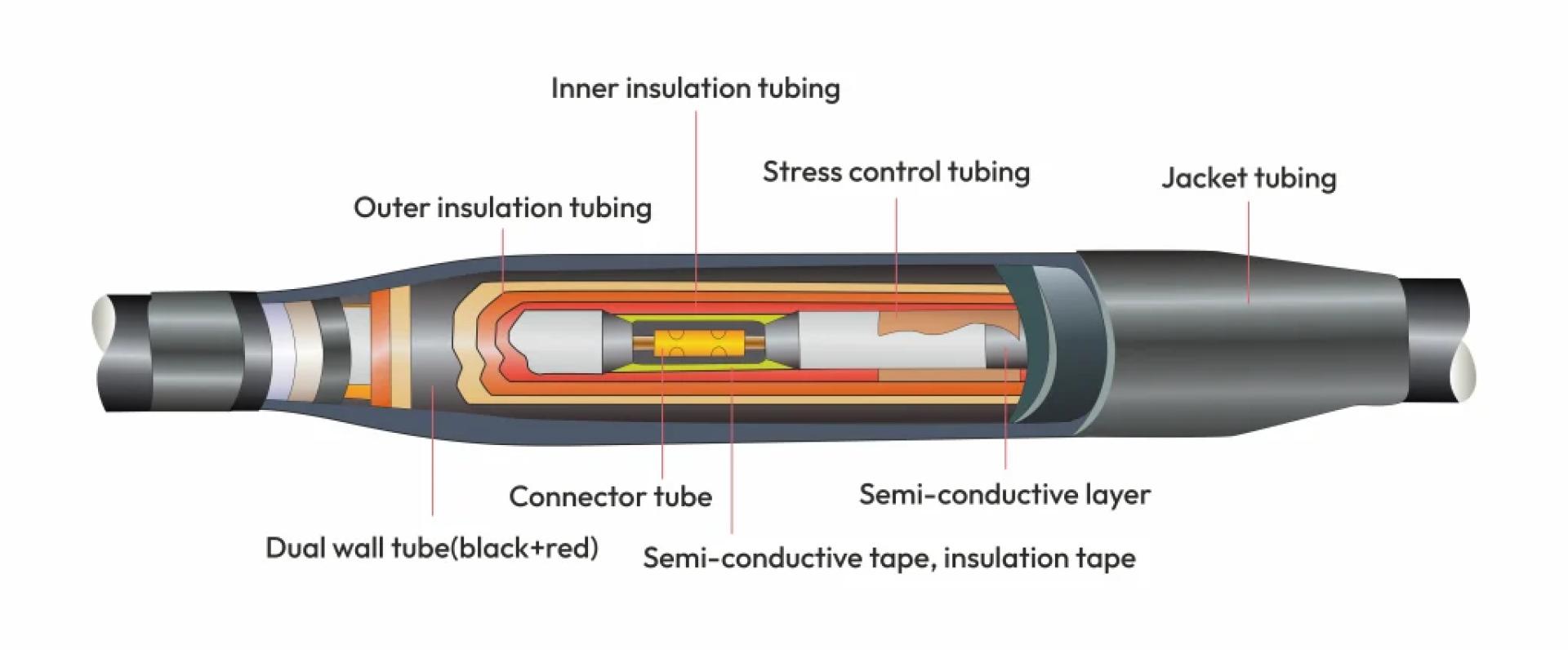
Heat shrink systems require a heat source. A heat shrink tube is placed over the cable and heated until it shrinks tightly around the insulation. This helps in creating a firm, sealed layer that conforms perfectly to the cable.
On the other hand, cold shrink systems consist of pre-expanded tubes mounted on a removable core. Once placed, the core can be pulled, and the tube shrinks naturally without heat.
In short, heat shrink is perfect for your system if it allows you to use a heat gun safely. While cold shrink can be used in hazardous spaces where open heat is not ideal.
Sealing performance and environmental protection
Heat shrink
These are well known for their reliability in terms of sealing strength. The material includes adhesive lining and grips the cable tightly, offering moisture protection. This makes heat shrink tubing particularly effective in outdoor and underground installations.
Cold shrink
They offer good environmental sealing, but a proper fit demands perfect installation and sizing. In industrial environments where dust, oil, and moisture are constant, heat shrink offers a more robust seal. That’s why heat shrink termination kits are widely used in industries.
Mechanical strength and long-term durability
Heat shrink produces a tight mechanical bond that resists vibration and mechanical stress. Whereas, cold shrink soulution rely on elastic pressure to maintain grip. While effective, cold-shrink systems may not provide the same level of rigid reinforcement as heat-shrink systems.
In applications like a termination kit for straight through joint kit, mechanical durability plays a crucial role in long-term reliability.
Performance in harsh industrial conditions
Today, industries demand solutions that withstand heat, humidity, UV exposure, and chemical contact. That’s where heat shrink systems come in. They are designed to work under such environmental stress.
On the other hand, cold shrink works in moderate environments, but in high-temperature environments, heat shrink is preferred by many industries due to its enhanced sealing and resistance properties.
Cost, maintenance, and project scale
Budget and scale are other important factors that affect the decision. Heat shrink kits are cost-effective and widely available. This is why they are preferred for large-scale installations.
Cold shrink kits eliminate heating and reduce installation time, but they can sometimes cost more. Thus, heat shrink often provides the best combination of performance and cost efficiency.
Final thoughts
So, which one to choose? Heat shrink or cold shrink?
Do your projects demand strong sealing and long-term durability in challenging environments? Then, heat shrink kits are the better choice.
But if installation speed and safety in heat-sensitive areas are your priority, cold shrink is the best fit.
Axis understands the challenges industries face. Thus, we offer high-quality heat shrink products that meet stringent performance standards.
If you are planning a new installation or considering upgrading an existing cable, explore Axis heat shrink solutions or connect with our experts today to make a confident choice.























Sign in to leave a comment.