

Involuntary churn is the cheapest churn to fix because the customer never decided to leave.
A card expired, a bank declined a foreign merchant, or a spending limit was hit. The dunning sequence is the set of messages that gets the payment through, and most brands are still running a default version they have never properly reviewed.
The strategic case for treating this as a retention priority rather than a billing task is covered in failed payment recovery. This post is the sequence itself.
Retries First, Emails Second
Before you write a single message, fix the retry schedule.
The payment processor retries on its own cadence, and the defaults are often wrong for subscription commerce: too fast, too clustered, and blind to the decline reason.
Space retries across a window that crosses both a payday and a weekend. A typical sequence might run on day zero, day three, day five, and day seven, while varying the time of day.
Where your processor supports intelligent retries based on decline reason, use them.
A hard decline and a soft decline deserve different treatment. A hard decline is unlikely to succeed through repeated retry attempts, so the customer should immediately receive a card-update request.
The Four Messages
Message one: same day as the first failure.
Keep it short, calm, and framed as a heads-up rather than a demand.
“We couldn't process your payment for [product]. We'll try again in two days. No action needed unless your card has changed.”
Include the update link anyway, because many customers will fix the issue immediately when the option is easy.
Message two: day three, after the second retry fails.
Now make the action explicit.
Name the consequence and include a date:
“Your next [product] shipment is scheduled for [date]. We need a working card by then.”
Use one button that leads directly to an authenticated card-update page.
Message three: day five or six.
Add the human element and give the subscriber another option.
Allow them to use a different payment method, or offer a pause if the issue is timing rather than the card itself.
This is where dunning and the cancel flow meet. A subscriber dealing with a short-term financial issue may be better served by a pause rather than a cancellation.
Message four: day seven to ten.
Send the final notice.
State the exact date the subscription will be cancelled and explain what the subscriber will lose, whether that is their current price, loyalty tier, reserved allocation, or another meaningful benefit.
Then follow through.
A deadline you repeatedly extend becomes a deadline subscribers learn to ignore.
The Link Matters More Than the Copy
The single biggest lever in a dunning sequence is often not the wording.
It is the number of taps between the message and a successfully updated card.
An authenticated one-click update page will generally create less friction than sending the subscriber through a login wall.
A customer dealing with a failed payment is already experiencing friction. Making them remember a password adds another reason to abandon the process.
Test the entire journey on a phone while logged out.
Click the link directly from the email. If it lands on a generic login page instead of a simple payment-update experience, your dunning sequence has a hole that copy alone cannot fix.
Add SMS to the Middle of the Sequence
Email can carry the first and final messages.
A text around day five, sent only to subscribers with the required marketing consent, can reach customers who are no longer opening your emails.
Keep the message factual and include a direct card-update link.
The consent and messaging rules that govern this are covered in the SMS compliance checklist.
What to Measure
Start with recovery rate as a percentage of failed payments, not as a percentage of retry attempts.
Then measure time to recovery.
A payment recovered on day two is more valuable operationally than the same payment recovered on day nine.
Finally, measure the 90-day retention of recovered subscribers.
That tells you whether you truly recovered the customer or simply delayed an eventual cancellation.
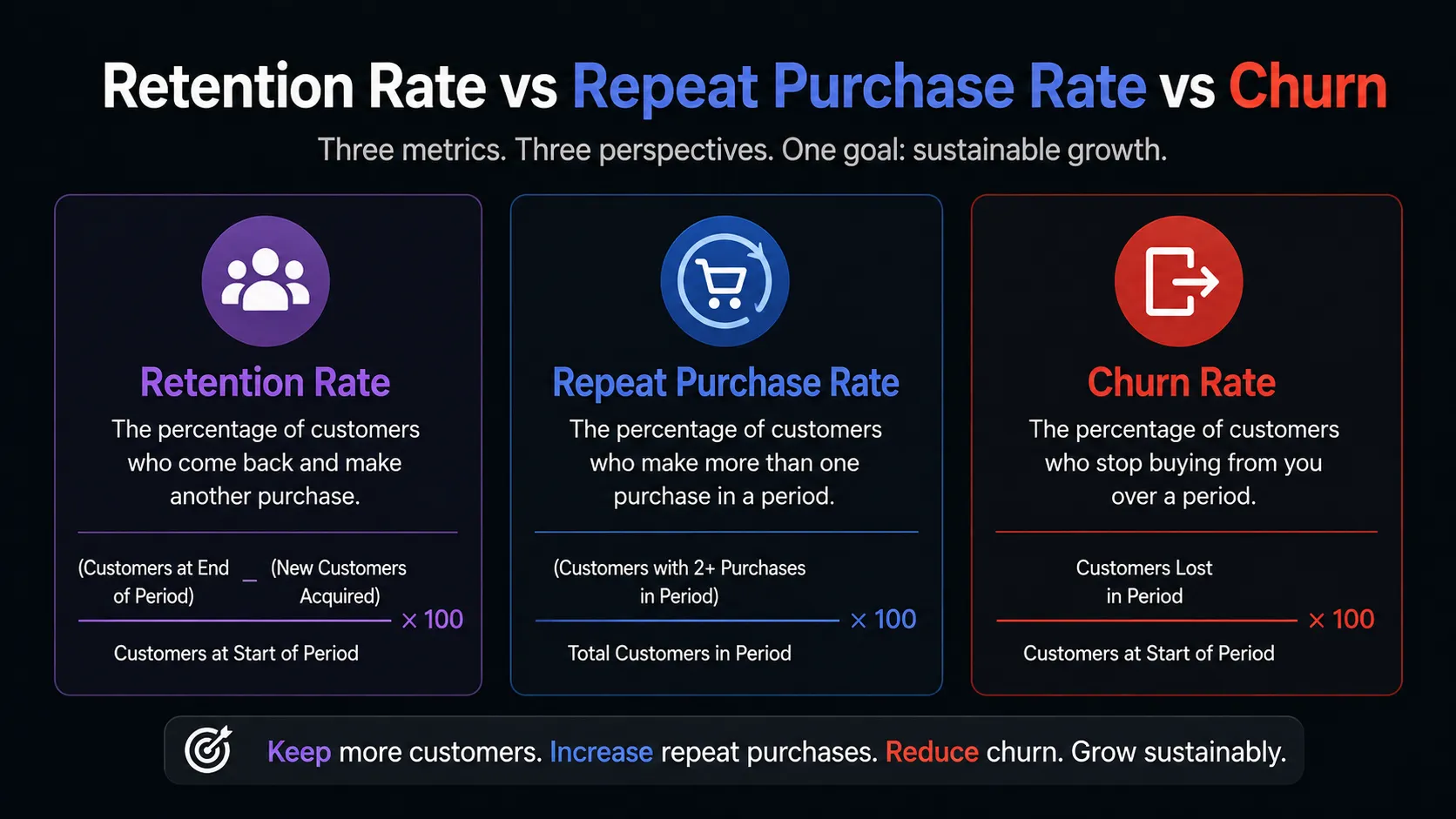
Track involuntary churn separately from voluntary churn.
Mixing them together hides an important distinction: one is a product or customer-value conversation, while the other is largely a payment infrastructure problem.
The measurement framework for both is covered in subscription churn rate.
We build dunning sequences across email and SMS as part of our subscription retention services, within the broader programme covered in the subscription retention playbook.




























Sign in to leave a comment.