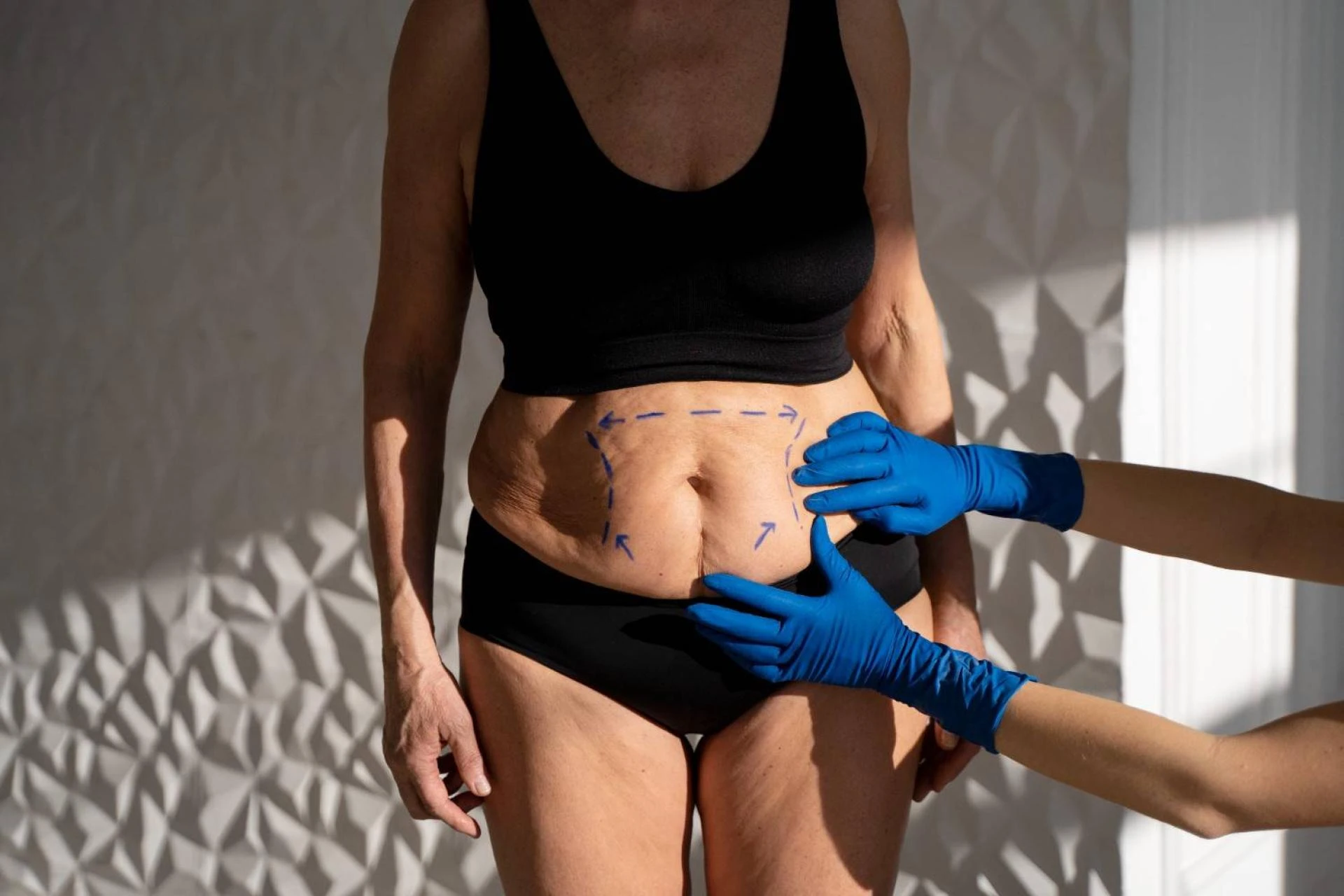

Loose abdominal skin has a way of sticking around long after the reasons for it are gone. Pregnancy, major weight loss, or simply time can stretch the tissue beyond what exercise can fix. A well-planned tummy tuck in Beverly Hills is not about chasing perfection. It is about restoring structure where the body lost some of its natural support. Most patients are curious about what actually happens once surgery begins, and the truth is, it is far more methodical than people expect.
Step 1: The Planning Stage That Most People Underestimate
The procedure really begins during the consultation, not in the operating room. A good surgeon studies how the skin drapes, where muscle separation sits, and how the waistline transitions into the hips. Those details matter more than people think. Small differences in anatomy change the entire plan. Patients often walk in assuming they need the same procedure they read about online, but that is rarely the case. Some need a full correction, others only moderate tightening. This is also when honest conversations happen about scars, healing, and realistic outcomes. Interestingly, many patients looking into body contouring are also researching facial procedures at the same time, sometimes even asking about the best facelift in beverly hills, since both decisions often come during the same chapter of life.
Step 2: Surgery Day, Which Is Surprisingly Calm
When patients arrive for surgery, things move at a steady pace rather than a rushed one. The abdomen is marked carefully before anything starts. Those lines may look simple, but they guide the shaping process later. They are very important to surgeons and often go unnoticed. This is followed by the planned administration of anesthesia or sleep. Monitoring equipment tracks everything throughout the procedure. The operating room tends to feel quieter than most people imagine.
Step 3: The Incision and Access to the Abdominal Wall
The first surgical step is the incision placed low across the abdomen. Placement is deliberate, so clothing usually covers it later. Once access is created, the surgeon can work beneath the skin where the real correction happens. People often think the procedure is mostly about removing skin, but that is only part of the story.
Step 4: Repairing the Core
This part of the process is very important. During pregnancy, the abdominal muscles often become less tight, which cannot be fixed by exercise alone. During the procedure, those muscles are brought back together and secured. When done correctly, the abdomen not only looks flatter but also feels more stable. Patients sometimes mention that their posture even improves afterward. It is not the headline part of the procedure, yet it makes the biggest structural difference.
Step 5: Skin Removal and Contour Work
Only after the muscle layer is repaired does the focus shift to the outer tissue. Loose skin is removed gradually, not aggressively. The skin that is still there is pulled into a smoother position and shaped so it lies flat across the belly naturally. If small areas of fat get in the way of the shape, they can be smoothed out to keep the shape balanced. We don't want your stomach to look too tight and like it was surgically fixed. Good work here blends into the body rather than calling attention to itself.
Step 6: The Detail Most People Forget About
The belly button almost always needs repositioning. Once skin is tightened, its original location no longer fits the new contour. A small opening is created, and the navel is placed so it looks natural on the reshaped abdomen. It sounds like a minor detail, but surgeons spend more time on this than patients expect. Small details make results believable.
Step 7: Closing Everything With Care
Once the reshaping is complete, the incisions are closed in layers. This helps the tissue settle properly during healing. Dressings are applied, and sometimes temporary drains are used to prevent fluid buildup. Surgeons who have performed this operation for years tend to treat closure as its own craft. At Lesavoy Plastic Surgery, careful closure technique is considered part of the final result, not just the end of the operation.
Step 8: The Early Recovery Phase
After surgery, patients spend some time recovering while the effects of anesthesia wear off. Most go home the same day. The first week usually involves swelling and a slightly bent posture while the body adjusts. It is normal. Healing settles gradually over the following weeks. The abdomen changes slowly, not overnight. A thoughtfully performed tummy tuck in Beverly Hills is less about a dramatic reveal and more about steady improvement that becomes noticeable as the body recovers.
Conclusion
Once patients understand how the procedure actually unfolds, it tends to feel far less mysterious. The steps are deliberate, almost technical in their pacing, and built around restoring the abdomen rather than forcing change. If you have been considering the procedure and want to understand how it would apply to your body specifically, a consultation is usually where the real clarity begins. Readers can receive a special discount using the code LPS155.

























Sign in to leave a comment.