
Get the water flow right, and a hydronic system practically runs itself. Get it wrong, and the radiators nearest the pump hog everything while the far corners of the building stay cold. That's the balancing problem in a nutshell, and it's exactly what a Dynamic Balancing Valve is built to solve. In this guide we'll walk through the features and benefits of dynamic balancing valves, explain what a DPCV (Differential Pressure Control Valve) actually is, and show how the diaphragm-and-spring mechanism keeps flow and pressure steady as your system's demand rises and falls.
Features and benefits
A dynamic balancing valve contains a spring-loaded diaphragm that mechanically reacts to pressure and holds a target value as the system fluctuates. Unlike a static balancing valve, a manually set orifice that only delivers design flow at one specific differential pressure, a dynamic valve keeps working when the numbers move. And in modern buildings with two-way control valves and variable-speed pumps, those numbers move constantly.
Our Dynamic Balancing Valves range, including DPCVs and Pressure Independent Control Valves (PICV), is designed to hold flow and pressure stable exactly when conditions change. Here's what that delivers in practice:
- Automatic regulation of flow as differential pressure changes across the circuit, with no re-commissioning required.
- Constant flow and pressure independence, which prevents some branches overflowing while others are starved at partial load.
- Improved energy efficiency, because eliminating overflows reduces unnecessary pumping demand, the single largest lever for HVAC pump energy.
- Better system stability and more consistent heating and cooling performance across every terminal.
- Reduced noise and wear, since limiting pressure fluctuations spares the components downstream.
There's a comfort angle too. Stable indoor temperatures keep occupants happy, and a smoothly operating system means a quieter, more peaceful indoor environment. We offer the range in brass or DZR brass, with FBSP or union connections, so you can match the valve to the application rather than the other way round. Standard and low-flow PICV options are available, along with optional modulating and proportional actuators for load-following control. For anyone specifying variable-volume systems, that flexibility matters, because the valve that holds its set point across a wide differential pressure window is the one that keeps the whole circuit honest for years, not just on commissioning day.
Automatic balancing valves video
Sometimes it's easier to watch balancing in motion than to read about it. Two video resources are worth a look. The first, "Understand All about Balancing valve Part 01", sets out how modern automatic balancing valves respond to differential pressure changes to maintain the required flow. The second, "What is Dynamic Balancing? – Dynamical Radiator Valve", shows the valve modulating itself to hold the flow set point when pump pressure shifts, a neat, visual way to grasp what the diaphragm is actually doing behind the brass.
If you're specifying for a real project, watching one of these alongside the spec sheet tends to close the gap between theory and installation. The behaviour is the same one we describe below: pressure acts, the diaphragm reacts, and flow stays where you set it.
What is a DPCV?
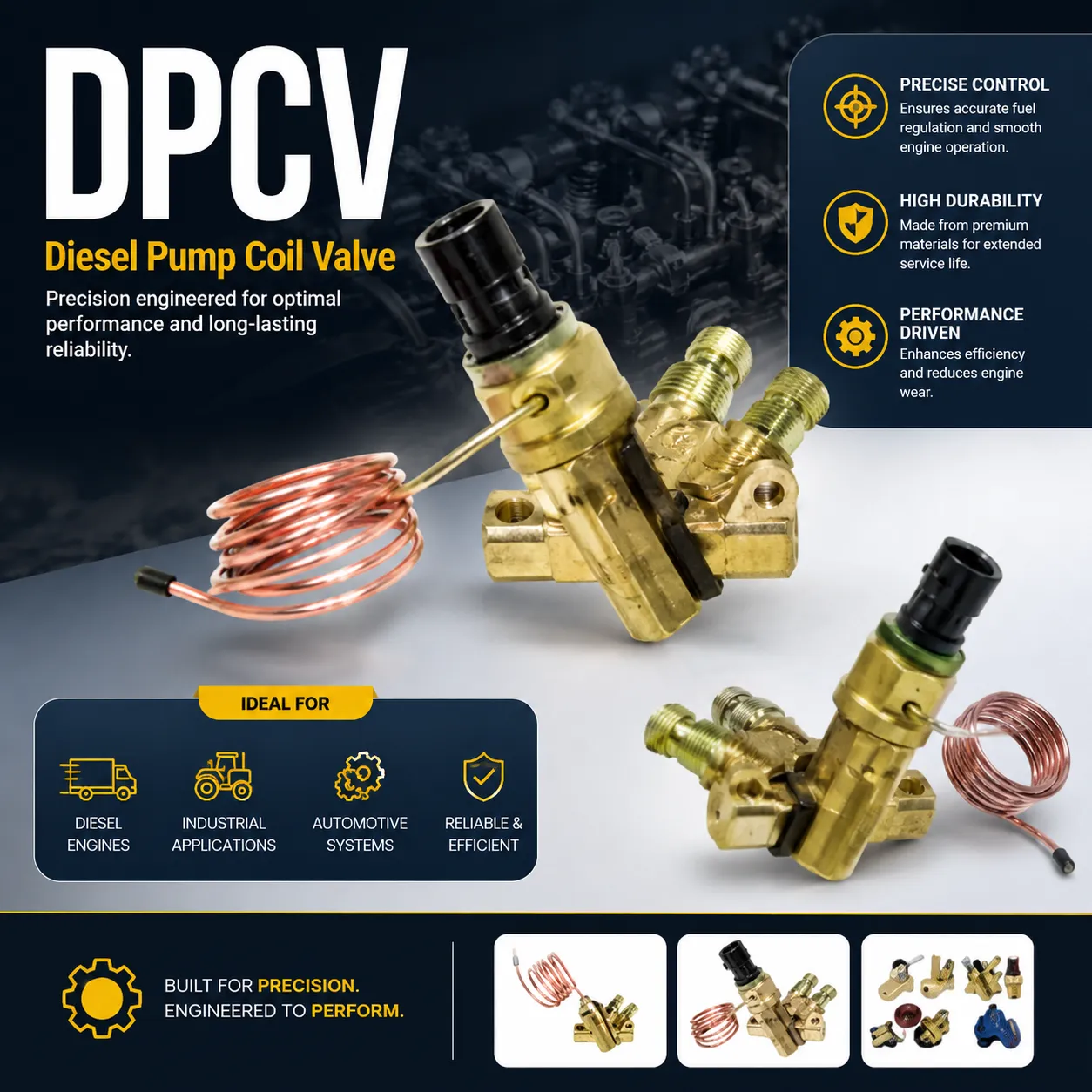
A DPCV is a Differential Pressure Control Valve, a device that maintains a steady differential pressure across a circuit or sub-branch, regardless of what's happening elsewhere in the network. It's often called a dynamic balancing valve because it continuously responds to system feedback to hold its set point.
In hydronic heating and cooling systems, the importance of a constant pressure differential is hard to overstate. Demand fluctuates with occupancy and weather, and as it does, the pressure in the pipework changes with it. Left unchecked, those swings cause instability, inefficiency and premature system failure. A DPCV holds the difference in pressure between supply and return lines constant across each sub-branch or terminal unit, so the circuit behaves predictably no matter how the rest of the building is loaded.
DPCV ranges typically cover several differential pressure bands, from around 5–25 kPa up to 60–100 kPa, so there's a version to suit most heating and chilled water demands. Insert-style solutions suit smaller pipe sizes, while larger installations often call for a dedicated valve body. A representative example is the Danfoss ASV-PV, available in DN 15 to 50 with a maximum differential pressure across the valve of 1.5 bar.
How does a DPCV work?
A DPCV works as a pair, and understanding that pairing is the key to the whole thing. A partner valve sits in the supply pipe, and a capillary tube transmits supply pressure to the DPCV diaphragm in the return pipe. System pressure acts on one side of the spring-loaded diaphragm, opposing the spring.
When the differential pressure across the circuit rises or falls, the diaphragm moves. That movement changes the valve's opening area to restore the set pressure and keep flow constant. Physically, it's the same orifice relationship that governs every throttling valve: flow is proportional to the flow coefficient multiplied by the square root of the differential pressure divided by the fluid's specific gravity. Because flow depends on the square root of pressure, an unregulated system is remarkably sensitive to pressure changes, which is exactly why a self-acting diaphragm that reacts continuously earns its place.
So, in plain terms: pressure pushes, the spring pushes back, and the diaphragm settles wherever the two balance. Move the system, and the valve quietly re-settles to hold your set point. That's dynamic balancing doing its job.
Frequently Asked Questions
What is a Dynamic Balancing Valve and how does it solve the balancing problem in hydronic systems?
A dynamic balancing valve uses a spring-loaded diaphragm to automatically regulate water flow as differential pressure changes across the circuit. Unlike static valves set once during commissioning, it continuously responds to system fluctuations, ensuring radiators near the pump and those in distant areas receive equal design flow without re-commissioning.
What is a DPCV and why is it important in heating and cooling systems?
A DPCV (Differential Pressure Control Valve) maintains a steady differential pressure across a circuit regardless of demand fluctuations. It's essential in hydronic systems because constant pressure differential prevents instability, inefficiency, and premature component failure whilst ensuring every terminal receives its design flow.
How does a DPCV work using a diaphragm and spring mechanism?
A DPCV pairs a supply-side partner valve with a return-side diaphragm connected via capillary tube. When differential pressure rises or falls, system pressure acts on the spring-loaded diaphragm, moving it to adjust the valve opening and restore the set pressure, keeping flow constant throughout demand changes.
What are the main benefits of using dynamic balancing valves in variable-volume HVAC systems?
Dynamic balancing valves deliver automatic flow regulation, constant pressure independence to prevent overflow or starvation at partial load, improved energy efficiency by reducing unnecessary pumping demand, better system stability, and reduced noise and wear from pressure fluctuations.
Can a DPCV reduce energy consumption in hydronic heating systems?
Yes. By eliminating overflows when some circuits receive excess flow whilst others are starved, a DPCV reduces unnecessary pumping demand—the single largest lever for HVAC pump energy efficiency. This automatic regulation means the pump works smarter, not harder, improving overall system efficiency.
What differential pressure ranges do DPCV valves typically cover?
DPCV ranges typically cover several differential pressure bands, from around 5–25 kPa up to 60–100 kPa, with options including 20–40 kPa, 20–65 kPa, and 35–75 kPa. This variety allows selection of a DPCV suited to most heating and chilled water system demands and applications.

























Sign in to leave a comment.