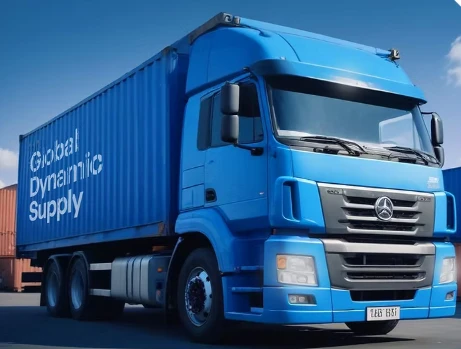

In the digital economy, speed, accuracy, and reliability define success. Consumers no longer judge an online brand solely by product quality or pricing. Their perception is shaped just as strongly by how quickly orders arrive, how accurately they are packed, and how seamlessly returns are handled. This reality places e-commerce order fulfillment and logistics at the center of modern retail strategy.
Understanding the Fulfillment Ecosystem
At its core, e-commerce order fulfillment and logistics refers to the end-to-end process that begins the moment a customer clicks “buy” and ends when the product is delivered, or returned, successfully. It includes inventory storage, order processing, picking and packing, shipping coordination, last-mile delivery, and reverse logistics. Each stage must operate in harmony. A failure in one area creates downstream disruptions that can damage brand trust and increase operational costs.
What makes e-commerce fulfillment distinct from traditional retail is velocity. Orders are smaller, more frequent, and geographically dispersed. This demands systems that prioritize responsiveness over bulk efficiency. Precision replaces volume as the dominant performance metric.
Inventory Accuracy as a Strategic Advantage
Inventory is not just a stockpile of goods; it is a dynamic asset. Overstocking ties up working capital, while understocking leads to missed sales and frustrated customers. Effective e-commerce order fulfillment and logistics rely on real-time inventory visibility across warehouses, fulfillment centers, and sales channels.
Advanced demand forecasting models, often driven by historical data and seasonality patterns, help businesses anticipate fluctuations. This enables proactive replenishment and reduces the risk of inventory obsolescence. Short sentences matter here. Accuracy matters more.
Distributed inventory strategies are also gaining traction. By positioning stock closer to customers, businesses reduce transit times and shipping costs while improving delivery reliability.
The Role of Warehouse Optimization
Modern fulfillment centers are no longer static storage facilities. They are high-velocity operational hubs designed for throughput and accuracy. Warehouse layout, slotting strategies, and automation technologies play a decisive role in fulfillment efficiency.
Barcode scanning, RFID systems, and warehouse management software ensure that orders are picked correctly and processed quickly. In high-volume environments, even a minor inefficiency compounds rapidly. Well-orchestrated e-commerce order fulfillment and logistics minimizes human error while maximizing process discipline.
Automation, however, is not solely about robotics. It also includes intelligent workflow design, labor optimization, and data-driven decision-making that improves performance without unnecessary complexity.
Shipping, Last-Mile Delivery, and Customer Experience
Shipping is often the most visible component of e-commerce order fulfillment and logistics. Customers track packages obsessively. Delays are noticed. Communication gaps are remembered.
Carrier selection, rate optimization, and delivery mode diversification are essential to maintaining service levels. Businesses increasingly rely on multi-carrier strategies to avoid dependency on a single provider. This flexibility enhances resilience during peak seasons or unexpected disruptions.
The last mile remains the most expensive and complex stage of delivery. Urban congestion, failed delivery attempts, and customer availability issues all contribute to rising costs. Innovative solutions such as pickup points, locker systems, and predictive delivery windows are helping businesses regain control over this critical phase.
Returns and Reverse Logistics Management
Returns are no longer an exception. They are an expectation. A well-designed returns process can strengthen customer loyalty, while a poor one erodes confidence quickly. Efficient e-commerce order fulfillment and logistics incorporates reverse logistics as a core function rather than an afterthought.
Returned items must be inspected, restocked, refurbished, or disposed of efficiently. Delays increase handling costs and reduce resale value. Transparent return policies, combined with streamlined processing workflows, reduce friction for customers and operational strain for businesses.
Reverse logistics also provides valuable insights. Return data often reveals product quality issues, packaging weaknesses, or misleading product descriptions.
Technology as the Fulfillment Enabler
Technology is the connective tissue of e-commerce order fulfillment and logistics. Order management systems synchronize sales channels with inventory pools. Warehouse systems orchestrate picking and packing. Transportation systems optimize shipping routes and carrier selection.
Data integration is critical. Disconnected systems create blind spots that lead to stock inaccuracies, shipping delays, and customer dissatisfaction. Unified platforms provide end-to-end visibility, enabling faster decisions and proactive problem resolution.
Artificial intelligence and machine learning are further enhancing forecasting accuracy, labor planning, and anomaly detection. These tools do not replace human expertise; they amplify it.
Scalability and Long-Term Resilience
Growth introduces complexity. What works at 100 orders per day often collapses at 10,000. Scalable e-commerce order fulfillment and logistics is built on modular processes, flexible infrastructure, and adaptable partnerships.
Peak seasons, promotional surges, and market expansion require fulfillment models that can absorb volatility without sacrificing service quality. Resilience is no longer optional. It is a competitive differentiator.
Businesses that invest early in robust fulfillment frameworks are better positioned to respond to market shifts, supply chain disruptions, and evolving consumer expectations.
Conclusion
In the crowded e-commerce landscape, fulfillment excellence separates leaders from laggards. E-commerce order fulfillment and logistics is not merely an operational necessity; it is a strategic capability that directly influences customer satisfaction, brand reputation, and profitability.



























Sign in to leave a comment.