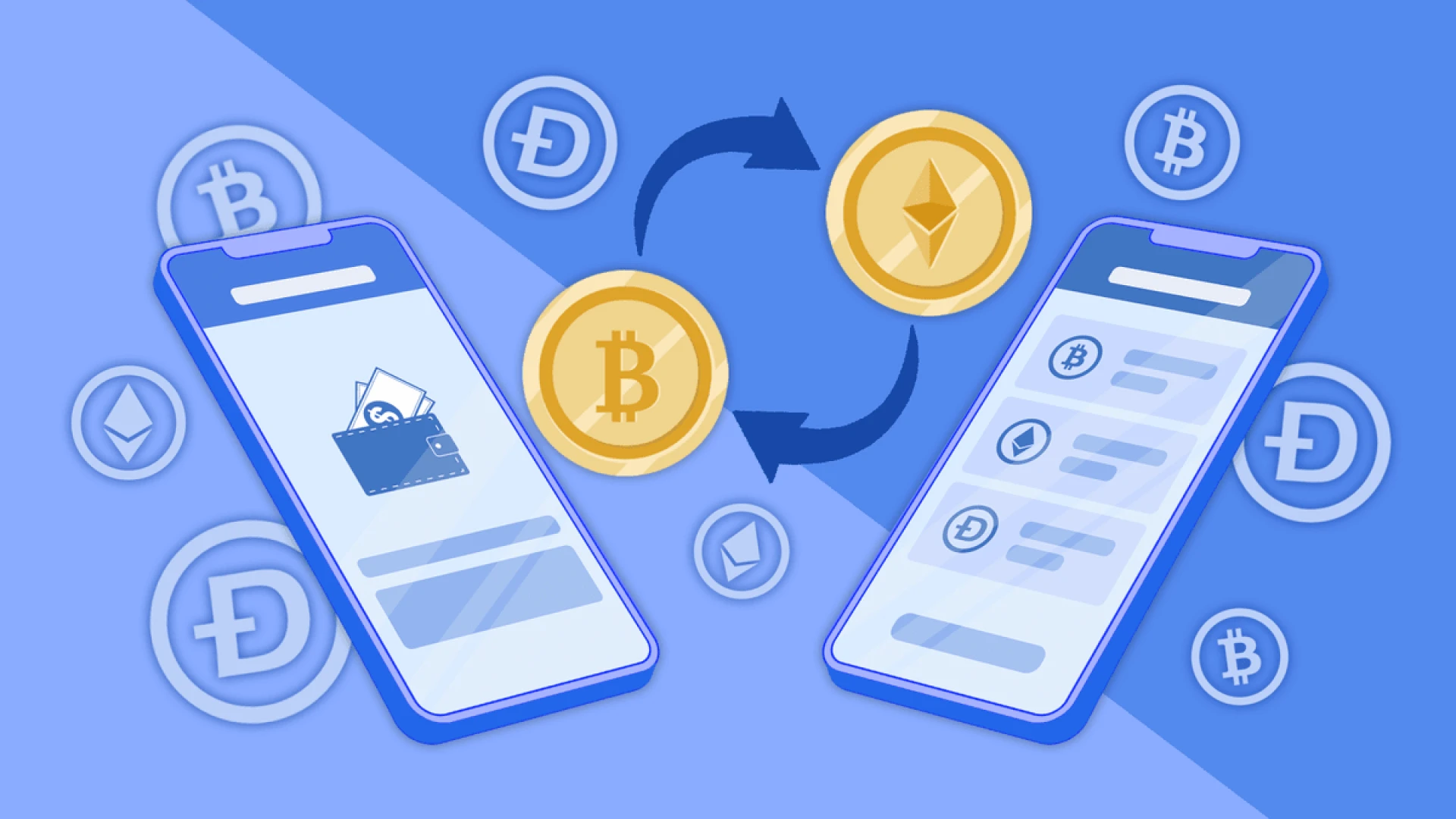

As the world transitions toward a more digital future, electronic money (e-money) has emerged as a pivotal component of modern financial systems. E-money refers to digital forms of currency that facilitate transactions without the need for physical cash. This article explores the benefits and challenges associated with e-money, providing a comprehensive overview of its role in today's economy.
What is E-Money?
E money represents a digital version of traditional currency, stored and transacted electronically. Unlike cryptocurrencies, which operate on decentralized networks, e-money is typically issued and regulated by financial institutions and government bodies. It encompasses various forms, including digital wallets, prepaid cards, and virtual currencies used for online transactions.
Benefits of E-Money
1. Convenience and Accessibility: E-money offers unparalleled convenience. Transactions can be completed swiftly from anywhere with an internet connection, eliminating the need for physical visits to banks or ATMs. This ease of access benefits consumers and businesses, especially in a globalized economy where cross-border transactions are frequent.
2. Enhanced Security: Digital transactions reduce the risks associated with carrying physical cash. Advanced encryption and security measures protect e-money from fraud and theft. Additionally, electronic records of transactions provide a clear audit trail, which can help in dispute resolution and financial tracking.
3. Cost Efficiency: E-money can significantly lower transaction costs. Traditional financial systems often involve various fees for processing payments, especially for international transfers. E-money transactions typically incur lower fees, making it an attractive option for both businesses and consumers.
4. Financial Inclusion: E-money has the potential to enhance financial inclusion, particularly in underbanked and remote areas. Mobile money services and digital wallets can provide financial services to individuals who lack access to traditional banking infrastructure, fostering economic participation and growth.
5. Innovation and Flexibility: The digital nature of e-money encourages innovation in financial services. Features such as instant payments, programmable money (smart contracts), and integration with other digital services enhance the user experience and open up new possibilities for financial products and services.
Challenges of E-Money
1. Cybersecurity Risks: While e-money transactions are generally secure, they are not immune to cybersecurity threats. Hacking, phishing, and other forms of cyberattacks can compromise digital wallets and payment systems. Ensuring robust security measures and educating users about online safety is crucial to mitigating these risks.
2. Regulatory and Compliance Issues: The rapid evolution of e-money poses challenges for regulatory bodies. Ensuring that digital currency systems comply with existing financial regulations and anti-money laundering (AML) laws requires constant vigilance and adaptation. Regulatory uncertainty can also hinder the development and adoption of new e-money solutions.
3. Digital Divide: Despite its potential for financial inclusion, e-money can also exacerbate the digital divide. Individuals without access to smartphones, computers, or reliable internet connections may be excluded from the benefits of digital financial services. Bridging this gap is essential to ensuring that e-money remains accessible to all.
4. Fraud and Misuse: The anonymity and ease of use associated with e-money can sometimes lead to fraudulent activities and misuse. Scams, identity theft, and other forms of fraud can undermine trust in digital currency systems. Implementing effective fraud detection and prevention measures is critical to maintaining the integrity of e-money.
5. Volatility and Stability: E-money can be subject to volatility, especially when it is linked to volatile assets or currencies. This can pose risks for users and businesses relying on stable digital currency values. Ensuring stability and predictability in e-money systems is a challenge that requires ongoing attention and management.
Conclusion
E-money represents a significant advancement in the evolution of financial transactions, offering numerous benefits such as convenience, security, and cost efficiency. However, it also presents challenges, including cybersecurity risks, regulatory issues, and the potential for misuse. As digital currencies continue to evolve, addressing these challenges while leveraging the benefits will be key to fostering a secure and inclusive financial ecosystem. Embracing innovation while remaining vigilant to potential risks will shape the future of e-money and its role in our increasingly digital world.































Sign in to leave a comment.