

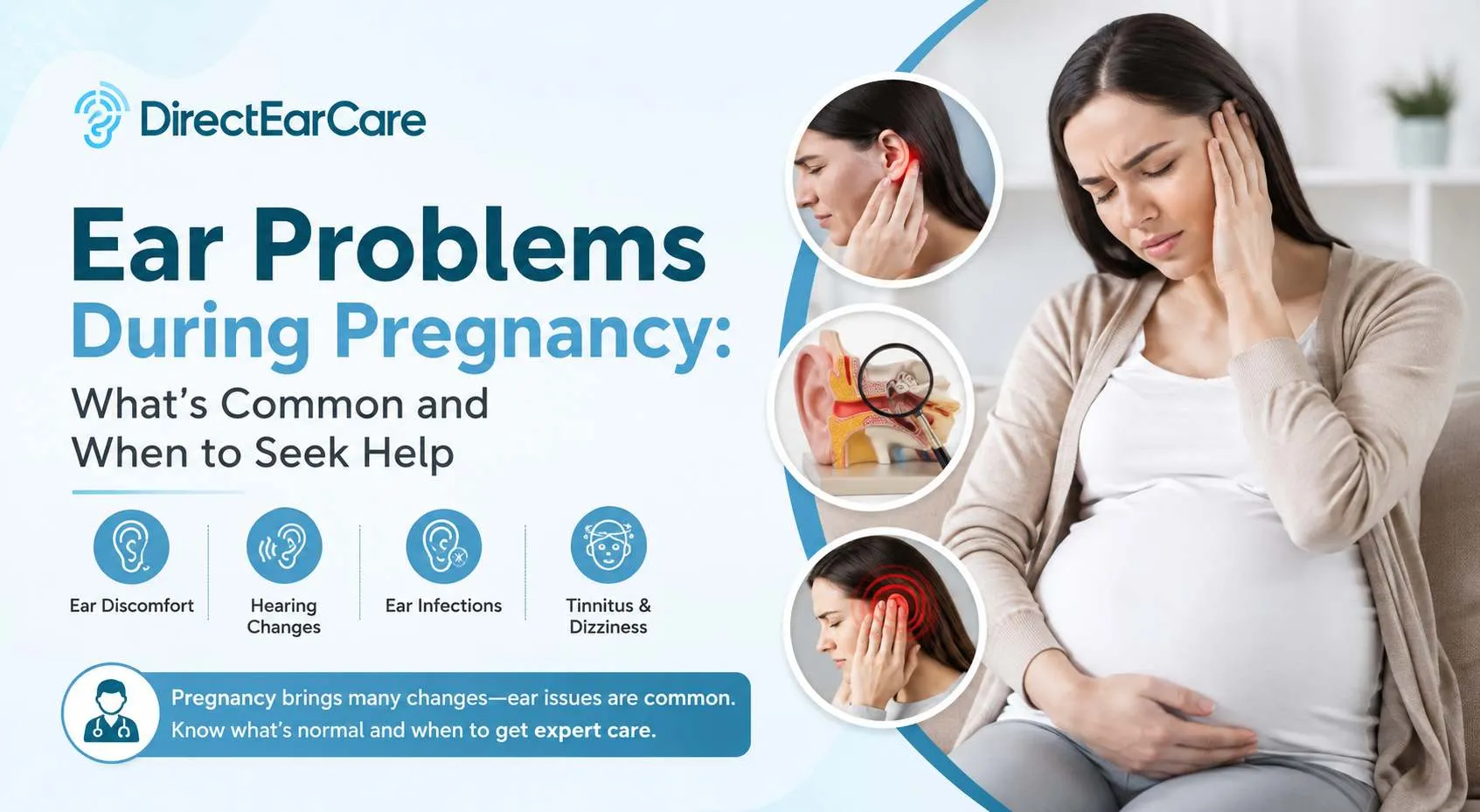
Pregnancy can bring many unexpected changes to the body, including changes that affect the ears. Some women experience ringing or buzzing, a feeling of pressure or fullness, dizziness, or temporary changes in hearing during pregnancy.
Hormonal fluctuations, increased blood flow, and fluid retention may contribute to these symptoms. In many cases, they are temporary and improve after childbirth. However, not every ear-related symptom should automatically be considered a normal part of pregnancy.
Knowing which symptoms can be monitored and which require professional assessment can help you get the appropriate care when you need it.
Can Pregnancy Affect Your Hearing?
Yes, pregnancy can sometimes be associated with changes in hearing.
Changes in fluid levels, circulation, and hormones may affect how the ear functions, potentially causing temporary changes in hearing or a feeling of fullness in the ears. According to the Association for Improvements in the Maternity Services (AIMS), pregnancy can be associated with both temporary and permanent hearing loss.
Most mild changes are not serious. However, sudden or significant hearing loss should not be treated as a routine pregnancy symptom.
If your hearing changes suddenly, particularly if the change affects one ear or is accompanied by dizziness, seek medical advice promptly. Contact your GP, midwife, or NHS 111 for advice rather than waiting to see whether the problem resolves on its own.
Which Ear Symptoms Can Occur During Pregnancy?
Several ear-related symptoms may occur during pregnancy and can sometimes settle after delivery.
1. Mild Tinnitus
Tinnitus is the perception of sounds such as ringing, buzzing, humming, or whistling when there is no external source.
Mild tinnitus can occur during pregnancy and may be associated with changes in circulation and hormones. Occasional symptoms may not indicate a serious problem, but persistent or worsening tinnitus should be discussed with a healthcare professional.
2. Ear Fullness or Pressure
Some pregnant women experience a blocked or full sensation in the ears.
Changes in fluid balance and pressure regulation may contribute to this feeling. However, earwax build-up and other ear conditions can cause very similar symptoms, so persistent blockage should not automatically be attributed to pregnancy.
3. Temporary Hearing Changes
Some women notice that their hearing seems slightly different during pregnancy. These changes may be related to hormonal, circulatory, or fluid changes.
If hearing changes are substantial, sudden, persistent, or affect only one ear, professional assessment is important.
4. Dizziness and Balance Changes
Dizziness is relatively common during pregnancy and can have several possible causes, including changes in blood pressure and circulation.
Because the inner ear is involved in balance, ear-related conditions can also contribute to dizziness. Severe, persistent, or unexplained dizziness should be assessed, particularly when it occurs alongside hearing changes.
When Should You Seek Medical Advice?
Although some ear symptoms may occur during pregnancy, certain symptoms should not simply be dismissed as pregnancy-related.
Sudden Hearing Loss
Sudden hearing loss requires prompt medical assessment.
If your hearing decreases rapidly, particularly in one ear, contact your GP, midwife, or NHS 111 the same day. Do not wait for the hearing to return by itself or assume that pregnancy is the cause.
Early assessment is important because some causes of sudden hearing loss may require timely treatment.
Persistent or Severe Tinnitus
Occasional mild ringing may not be concerning, but tinnitus that is persistent, becoming worse, or particularly intrusive should be evaluated.
It is especially important to seek advice if tinnitus develops suddenly, affects one ear, or occurs alongside hearing changes.
Earache
Ear pain is not something that should automatically be attributed to pregnancy.
An earache may be associated with an ear infection, inflammation, wax build-up, or another condition. If pain persists or becomes severe, arrange an appropriate assessment.
Fluid, Pus, or Blood From the Ear
Discharge from the ear should be checked by a healthcare professional.
Fluid, pus, or blood can be associated with infection, inflammation, or injury and should not be ignored.
Severe Dizziness
Mild light-headedness can occur during pregnancy, but significant dizziness, particularly when accompanied by hearing changes or balance problems, warrants medical assessment.
Severe dizziness can also increase the risk of falls, making it important to identify the underlying cause.
Ear Symptoms Alongside High Blood Pressure
Certain symptoms during pregnancy can occur alongside pregnancy-related conditions such as pre-eclampsia.
If tinnitus, dizziness, or changes in hearing occur alongside high blood pressure or other concerning symptoms, seek medical advice promptly. Pre-eclampsia can be serious for both the mother and baby and requires appropriate medical assessment.
Could Earwax Be Responsible for Your Symptoms?
It is possible.
Earwax build-up can produce several symptoms that may be confused with pregnancy-related ear changes, including:
- A blocked or full sensation
- Reduced hearing
- Ringing in the ears
- Ear discomfort
- Dizziness
This can make it difficult to determine the cause based on symptoms alone.
A professional ear examination can help establish whether excess earwax is present and whether it is likely to be responsible for your symptoms. If wax is not the cause, further assessment may be appropriate.
For more information, you can also read “Do You Need Ear Wax Removal or a Hearing Test? How to Tell the Difference?”
Is Tinnitus During Pregnancy Normal?
Mild tinnitus can occur during pregnancy and may be linked to changes in blood flow, hormones, and fluid levels. For some women, it develops during the later stages of pregnancy and improves following childbirth.
However, tinnitus should be assessed if it:
- Starts suddenly
- Becomes progressively worse
- Affects only one ear
- Occurs with hearing loss or other hearing changes
- Occurs alongside high blood pressure
Persistent tinnitus can have several possible causes, so professional assessment can help determine whether further investigation is required.
Can Pregnancy Cause Dizziness or Balance Problems?
Pregnancy can cause dizziness or light-headedness for several reasons, including changes in circulation and blood pressure.
The inner ear also plays an important role in maintaining balance. As a result, an ear-related condition can sometimes contribute to dizziness or unsteadiness.
Mild symptoms may settle, but significant or persistent dizziness should not be ignored. Seek professional advice if dizziness occurs alongside hearing loss, tinnitus, severe ear symptoms, or other concerning changes.
What About Earwax Removal During Pregnancy?
If earwax is responsible for a blocked sensation or reduced hearing, professional removal may be an option.
An ear examination should take place before treatment so that the condition of the ear can be assessed and the appropriate approach selected.
Depending on the individual circumstances, professional earwax removal may involve microsuction or ear irrigation. The suitability of either method should be determined following an assessment rather than assuming that one technique is appropriate for everyone.
If you are pregnant and considering earwax removal, tell the clinician about your pregnancy so they can take your circumstances into account when assessing and treating you.
How Direct Ear Care Can Help
If you are experiencing blocked ears, tinnitus, hearing changes, or ear discomfort during pregnancy, identifying the cause is an important first step.
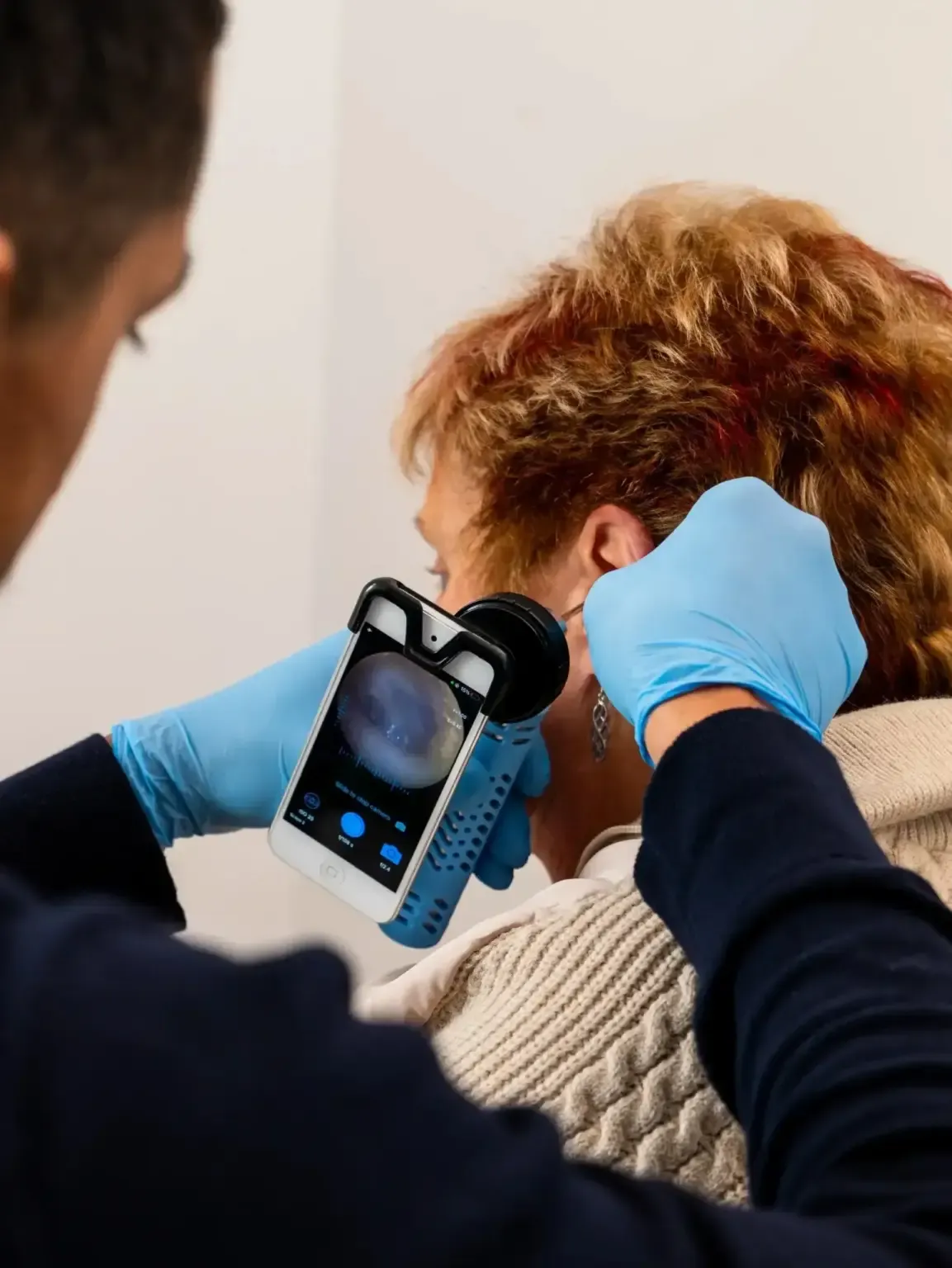
At Direct Ear Care, appointments begin with an ear examination carried out by HCPC-registered audiologists. Video otoscopy can provide a detailed view of the ear canal and help determine whether symptoms may be associated with earwax or another ear-related issue.
Comprehensive Ear Assessments
A detailed examination can help identify earwax build-up and other visible ear conditions. Seeing the ear canal directly can also help avoid assuming that every blocked-ear symptom is caused by wax.
Professional Earwax Removal
Where excess earwax is identified as the cause of symptoms, professional removal may be recommended.
Direct Ear Care provides microsuction and ear irrigation, with the appropriate method selected following an assessment of the ears.
Clinic and Home Appointments
Clinic appointments and mobile earwax removal services provide flexibility for people who may find travelling difficult during pregnancy.
A home appointment may be particularly convenient if mobility, discomfort, or other circumstances make travelling to a clinic difficult.
Individualised Advice
Not every ear symptom requires treatment. Some changes may settle naturally, while others may require further medical assessment.
Treatment recommendations should therefore be based on the individual's symptoms, ear examination, and medical history.
Final Thoughts
Changes in ear health can occur during pregnancy, and symptoms such as mild tinnitus, ear fullness, temporary hearing changes, and dizziness may sometimes be associated with the physical changes that occur during this period.
However, it is important not to assume that every ear symptom is simply part of being pregnant.
Sudden hearing loss, severe or worsening tinnitus, ear pain, ear discharge, significant dizziness, or symptoms occurring alongside high blood pressure should be assessed by an appropriate healthcare professional.
Read Blog: https://directearcare.co.uk/ear-problems-during-pregnancy/



























Sign in to leave a comment.