

Cancer remains one of the leading causes of death worldwide, but advancements in medical science have given us powerful tools to fight back. Among these, cancer screening stands out as a cornerstone of early detection and prevention. The phrase "early detection saves lives" is more than just a slogan—it’s a proven fact backed by decades of research and countless success stories.
Periodic cancer screening can identify abnormalities before symptoms appear, dramatically improving treatment outcomes and survival rates. In this article, we’ll explore why regular screenings are critical, how they work, which cancers they target, and how cancer screening and prevention go hand in hand to protect your health.
What Is Cancer Screening?
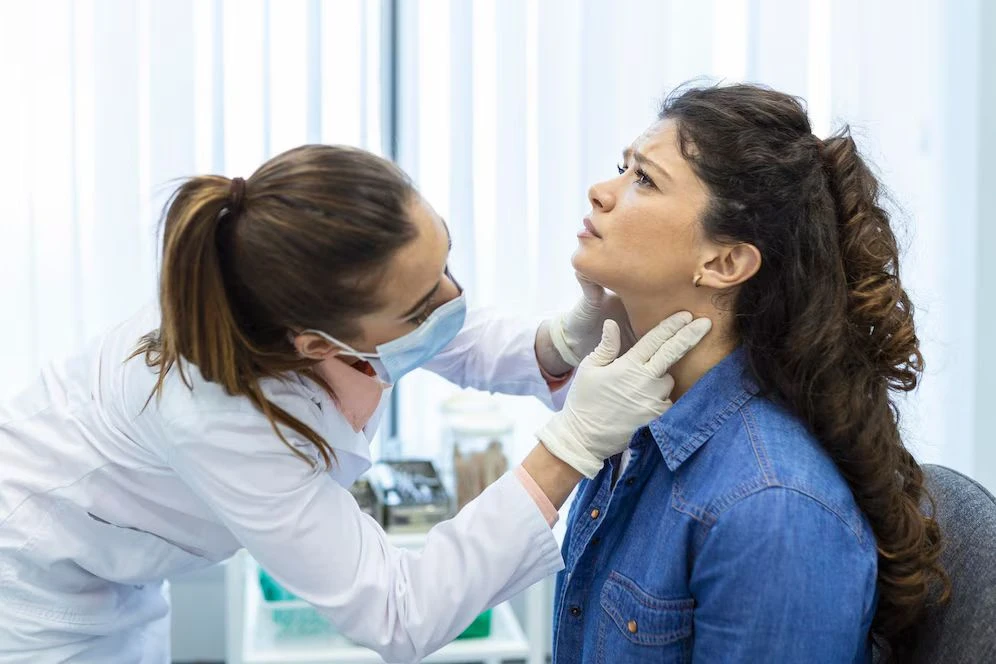
Cancer screening refers to the use of medical tests to detect cancer in individuals who don’t yet show symptoms. Unlike diagnostic tests, which are performed when someone already suspects they have cancer, screening is proactive. The goal is to catch cancer at its earliest stages, when it’s most treatable. Common screening methods include mammograms for breast cancer, colonoscopies for colorectal cancer, and Pap smears for cervical cancer.
The importance of periodic cancer screening lies in its ability to find cancer before it spreads. Early-stage cancers are often smaller, localized, and less aggressive, making them easier to treat with surgery, radiation, or medication. According to the American Cancer Society, the five-year survival rate for localized breast cancer is 99%, compared to just 31% when the cancer has metastasized. This stark contrast underscores why cancer screening and prevention are vital components of modern healthcare.
Why Early Detection Matters
Cancer is a stealthy disease. Many types—such as lung, ovarian, and pancreatic cancer—can develop silently for years, showing no obvious signs until they’ve reached an advanced stage. By the time symptoms like pain, fatigue, or weight loss appear, the cancer may have spread to other parts of the body, complicating treatment and reducing survival odds. Periodic cancer screening flips this narrative by giving doctors a head start.
Take colorectal cancer as an example. A colonoscopy can detect precancerous polyps—abnormal growths in the colon or rectum—that can be removed before they turn into cancer. This dual role of cancer screening and prevention not only catches existing cancers early but also stops some from developing altogether. The National Cancer Institute estimates that widespread colorectal screening could prevent thousands of deaths each year.
Similarly, mammograms have revolutionized breast cancer outcomes. Women who undergo regular cancer screening are more likely to detect tumors when they’re small and confined to the breast. Early intervention might mean a lumpectomy instead of a mastectomy, or even avoiding chemotherapy altogether. These examples illustrate why early detection through cancer screening is a literal lifesaver.
The Science Behind Cancer Screening
Screening tests are designed based on extensive research into cancer biology and epidemiology. Each test targets specific markers or abnormalities associated with a particular cancer type. For instance:
- Mammography: Uses low-dose X-rays to identify masses or calcifications in breast tissue.
- Pap Smear/HPV Testing: Detects abnormal cervical cells or the presence of human papillomavirus (HPV), a major cause of cervical cancer.
- PSA Test: Measures prostate-specific antigen levels in the blood, which can indicate prostate cancer.
- Low-Dose CT Scans: Identifies lung abnormalities in high-risk individuals, such as long-term smokers.
These tools are not foolproof—they can produce false positives or miss some cancers—but their benefits far outweigh the risks when used appropriately. The key is periodicity. A one-time cancer screening might catch a problem today, but cancer can develop at any time. Regular screenings, tailored to your age, gender, and risk factors, ensure ongoing vigilance.
Who Should Get Screened and When?
Not everyone needs every cancer screening test, and guidelines vary based on individual risk profiles. Factors like age, family history, lifestyle, and genetic predisposition determine when and how often you should be screened. Here’s a breakdown of common recommendations as of March 2025:
- Breast Cancer: Women aged 40-44 can start annual mammograms if they choose, but those 45-54 should screen yearly. After 55, biennial screening is an option unless risk factors like BRCA gene mutations suggest more frequent checks.
- Colorectal Cancer: Adults aged 45-75 should undergo regular screening (e.g., colonoscopy every 10 years or stool-based tests annually). Those with a family history may start earlier.
- Cervical Cancer: Women aged 21-65 should have Pap smears every three years or combined HPV testing every five years.
- Prostate Cancer: Men aged 50 and older should discuss PSA testing with their doctor, especially if they have a family history or are African American.
- Lung Cancer: Annual low-dose CT scans are recommended for adults aged 50-80 with a significant smoking history.
These guidelines, set by organizations like the U.S. Preventive Services Task Force (USPSTF), evolve with new research. Consulting your healthcare provider ensures your cancer screening plan aligns with your unique needs.
Cancer Screening and Prevention: A Dual Approach
While cancer screening focuses on early detection, it’s deeply intertwined with prevention. Some screenings, like colonoscopies, directly prevent cancer by removing precancerous growths. Others, like HPV testing, guide preventive measures such as vaccination or closer monitoring. This synergy is why cancer screening and prevention are often discussed together.
Prevention also extends beyond the doctor’s office. Lifestyle choices play a massive role in reducing cancer risk. For example:
- Smoking Cessation: Quitting smoking lowers the risk of lung, throat, and other cancers, making lung cancer screening less urgent over time.
- Healthy Diet: A diet rich in fruits, vegetables, and whole grains supports overall health and may prevent colorectal and other cancers.
- Exercise: Regular physical activity is linked to lower rates of breast and colon cancer.
- Sun Protection: Avoiding excessive UV exposure prevents skin cancer, complementing visual skin checks.
When paired with periodic cancer screening, these habits create a robust defense against cancer. Screening catches what prevention misses, while prevention reduces the burden on screening programs.
Overcoming Barriers to Screening
Despite its benefits, not everyone embraces cancer screening. Common barriers include cost, access, fear, and misinformation. In many countries, insurance covers recommended screenings, but uninsured individuals may face high out-of-pocket expenses. Rural areas often lack facilities, forcing people to travel for tests. Meanwhile, fear of a positive result or discomfort during procedures like colonoscopies deters some from participating.
Education is key to overcoming these hurdles. Public health campaigns emphasize that cancer screening is quick, often painless, and far less daunting than treating advanced cancer. Community outreach programs and mobile screening units are also bridging gaps, bringing cancer screening and prevention to underserved populations. In 2025, telemedicine is enhancing access further, with virtual consultations guiding patients to local screening options.
Success Stories: Lives Saved by Screening
Real-world examples highlight the power of cancer screening. Consider Jane, a 52-year-old teacher who reluctantly scheduled her first mammogram after a friend’s diagnosis. The test revealed a tiny lump—stage 1 breast cancer. After a lumpectomy and radiation, Jane is cancer-free, grateful for early detection. Or take Michael, a 47-year-old smoker who opted for a low-dose CT scan. It caught lung cancer early, and surgery gave him a second chance at life.
These stories aren’t outliers. A 2023 study in The Lancet found that countries with robust cancer screening programs saw a 20-30% drop in cancer mortality over two decades. The data is clear: periodic screening saves lives.
The Future of Cancer Screening
As of March 2025, cancer screening is evolving rapidly. Liquid biopsies—blood tests that detect cancer DNA—are showing promise for multi-cancer early detection (MCED). Artificial intelligence is enhancing imaging accuracy, reducing false positives. Wearable devices might soon monitor biomarkers, alerting users to get screened. These innovations could make cancer screening and prevention more personalized and accessible than ever.
However, challenges remain. New technologies must be affordable and widely available to benefit everyone. Researchers are also refining screening guidelines to avoid overdiagnosis—treating harmless abnormalities that wouldn’t have caused harm. Balancing sensitivity and specificity will shape the next era of cancer screening.
Taking Charge of Your Health
The message is simple: don’t wait for symptoms. You can avail cancer screening in Hackensack NJ to empowers your self and catch cancer early, when it’s most beatable. Talk to our doctor about your risk factors and create a screening schedule that fits your life. Pair it with a prevention-focused lifestyle—quit smoking, eat well, stay active—and you’ve got a winning strategy.
Cancer screening and prevention aren’t just medical terms; they’re lifelines. Early detection saved Jane, Michael, and countless others. It could save you or someone you love. In a world where cancer remains a formidable foe, regular screenings offer hope, control, and a fighting chance. Make the appointment. Your future self will thank you.



























Sign in to leave a comment.