
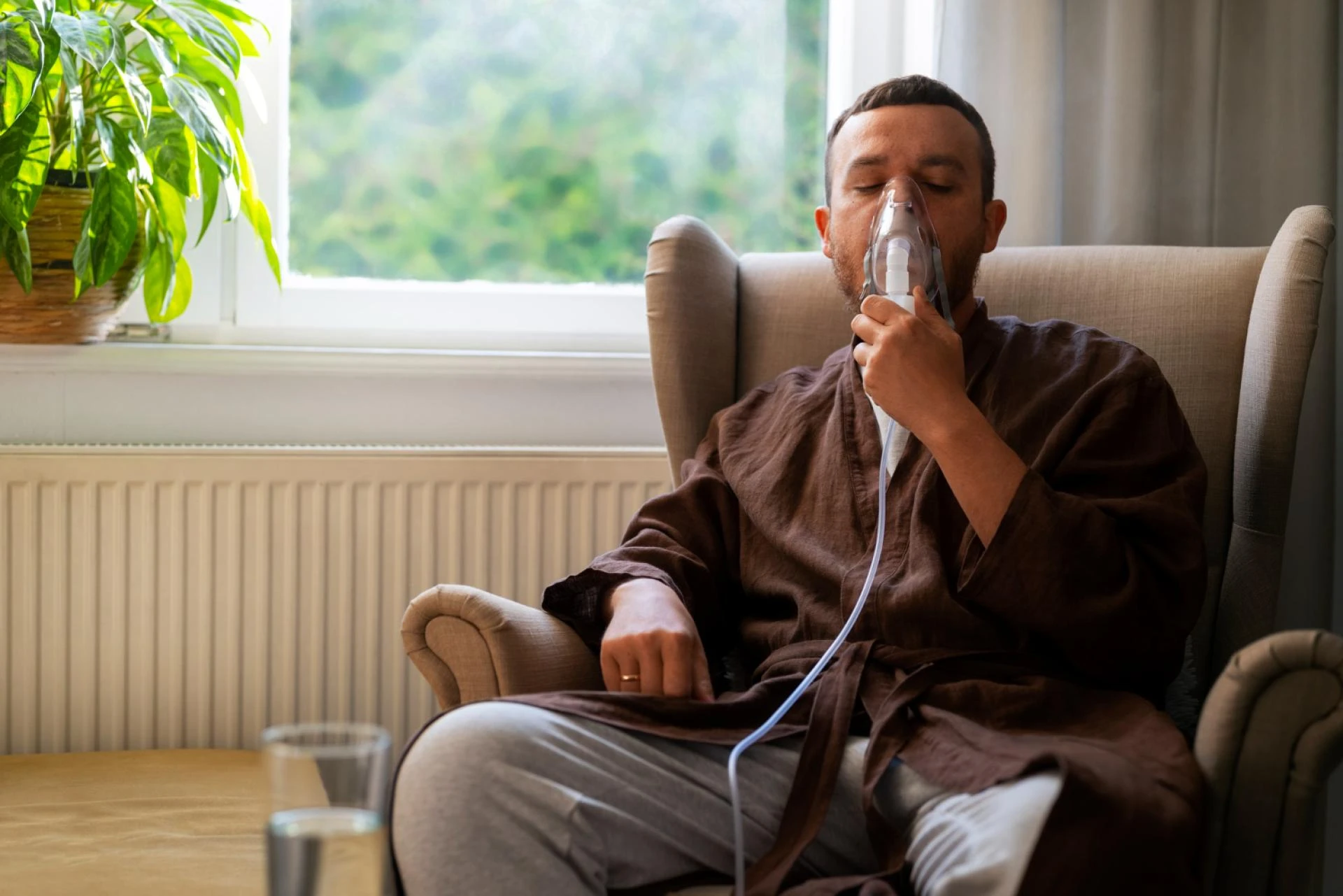
Lung diseases often develop gradually, and the early symptoms may be mild or easily overlooked. Many people ignore signs such as persistent cough, mild breathlessness, or chest discomfort, assuming they are temporary. However, these symptoms can sometimes indicate underlying respiratory conditions that require medical attention. Recognizing these warning signs early can help prevent complications and improve treatment outcomes. If you experience ongoing breathing problems, consulting specialists at the Best Pulmonology Hospital in Gurgaon can help ensure timely diagnosis and proper care.
Why Early Detection of Lung Disease Matters
The lungs are responsible for delivering oxygen to the body and removing carbon dioxide. When lung function is compromised, it can affect overall health and daily activities. Detecting respiratory conditions early allows doctors to begin treatment before the disease progresses or causes permanent lung damage.
Individuals who smoke, live in polluted environments, or have a family history of respiratory illness should be especially attentive to changes in breathing patterns.
Early Symptoms of Lung Disease
Recognizing early symptoms can help you seek medical advice before the condition worsens.
1. Persistent Cough
A cough lasting more than a few weeks may indicate respiratory infection, asthma, or other lung conditions.
2. Shortness of Breath
Difficulty breathing during normal activities such as walking or climbing stairs may signal reduced lung function.
3. Wheezing
A whistling sound while breathing often indicates narrowed or inflamed airways.
4. Chest Tightness or Pain
Discomfort or pressure in the chest while breathing may require further evaluation.
5. Frequent Respiratory Infections
Recurring infections such as bronchitis or pneumonia can indicate weakened lung health.
6. Constant Fatigue
Reduced oxygen supply caused by lung problems may lead to tiredness and low energy levels.
Common Lung Diseases
Several respiratory conditions can affect lung function, including:
- Asthma
- Chronic Obstructive Pulmonary Disease (COPD)
- Pneumonia
- Tuberculosis (TB)
- Lung infections
- Interstitial lung disease
Proper diagnosis often requires medical tests such as chest X-rays, CT scans, and pulmonary function tests.
Importance of Consulting a Specialist
Ignoring early respiratory symptoms may allow lung diseases to progress and become more difficult to treat. Seeking care at a best hospital in Gurgaon provides access to experienced pulmonologists, advanced diagnostic equipment, and personalized treatment plans.
At Optimus Hospital, respiratory specialists carefully evaluate symptoms, medical history, and test results to determine the most appropriate treatment approach. The focus is on accurate diagnosis, effective management, and improving long-term lung health.
Preventive Measures for Healthy Lungs
Simple lifestyle habits can help maintain lung health:
- Avoid smoking and second-hand smoke
- Reduce exposure to dust and pollution
- Maintain regular physical activity
- Eat a balanced diet rich in antioxidants
- Seek medical advice if respiratory symptoms persist
Final Thoughts
Early symptoms of lung disease should never be ignored, especially if they persist or worsen over time. Prompt medical attention can lead to early diagnosis and effective treatment, reducing the risk of complications. If you experience ongoing respiratory symptoms, consulting experts at one of the best multispecialty hospital in Gurgaon, such as Optimus Hospital, can help you receive comprehensive evaluation and advanced respiratory care.
Protecting your lung health today can ensure better breathing and overall well-being in the future.




























Sign in to leave a comment.